Felix Lazar wiped his mouth with the back of one pale hand and threw up. There wasn’t much left to puke: a thin film of bile peeled from his lips, a trembling spider web. He swallowed hot phlegm, getting to his feet shakily, steadying himself against the edge of the table as he rose. Stubby, well-manicured fingers scrabbled to find the bottle, pawing at the ridged plastic child-proof cap. One pill, then two, no, fuck it, three. The chalky texture of the medication dissolved in Felix’s throat; the chunky aftertaste of vomit mixing with the bitter paste of drugs. The room swooned, and he was down on his knees again, forcing yellow slime from an empty stomach. The pills gleamed at the bottom of the basket like discarded change.
Moaning softly to himself, a keen whimper that trailed off into a sob, Felix made himself stand up. He caught a glimpse of himself in the mirror and nearly broke it then and there. His skin was fungal grey with shock, deep chunks of puffy blue-black flesh boring into the space beneath his eyes. The silk shirt his viewers loved was stained with filth, and his tie hung around his neck like the rotting trophy of a savage in an adventure movie. White flecks peeked industriously from behind the black gunk Felix smeared on his hair every morning. This only served to complete the portrait of a man whose dignity had been forced out of him and into the rubbish along with his lunch.
Blearily, his eyes landed on the enormous, framed portrait near his desk. The old Felix Lazar beamed a toothy grin back. Too pristine to be fully natural, the kind of work discreetly done in an expensive LA dentist’s chair. Everything about the figure in the photograph suggested someone who had slowly and methodically erased any identifiers of age. Next to Felix stood a shabby little man in a lab-coat that would have been put to shame by a Halloween costume. The scientist was a foot shorter than Lazar; his blonde hair combed torturously over the wide dome of his head. Nevertheless, his smile was completely genuine, threatening to devour the photographer in one bite.
His name was Doctor Paul Nassar. Of course, the bastard was happy. He had saved the world.
Not that Felix was in a congratulatory mood at the moment. In fact, it took all his strength not to throw a paperweight and shatter Paul fucking Nassar’s smug face.
Felix resigned himself to collapsing into his chair. Pinching the bridge of his nose was enough to stem the flow of tears, but only just. More than anything, he tried not to look at the surface of his desk where the thing was waiting, squatting by his laptop like a dormant snake. It sat primly within a lilac-envelope, as innocent as a Christmas card from his grandparents, the type he’d rip apart, pretending to read the trite message within as he counted the money inside. Felix had been in no rush to open this envelope. Surely no one ever was.
Deep down, Felix had always known that one day it would happen. There were only so many people on this earth (less now, not like before, not like the bad times with their swarms of refugees, immigrants, tramps, looters, criminals….) so it was natural the lot would fall on Felix sometime. He knew it better than anyone, had spent the greater part of thirty years endorsing Nassar’s revolutionary procedure on his program, eagerly cashing in the state subsidies crammed weekly into his mailbox.
Felix had dedicated almost every waking moment to pushing Nassar’s population-control operation to be implemented worldwide. As far back as the early days, when the smug, brilliant little geek’s experiments had been pilloried and lambasted by the scientific community and the horrified public. That was when people could afford to sniff down their noses, before even the most self-righteous had been forced to kill and eat their high horses to survive. Nassar had been able to secure the last laugh, then the Nobel Prize, and then the position as the leading medical expert in the entire country. Not to mention unlimited protection as the head of the Commission for World Health and Sanitized Depopulation. Felix hadn’t just sat idly by-ever since his first tentative foray into show business, he had been pulled along by the nose, bestowed with a prodigious gift for sniffing out the nearest windfall. He’d crammed the procedure down the throats of the masses until their teeth cracked. It was exceedingly easy, standing in the sterile light of his studio set, reeking of cologne, plastering on that piranha grin. People were tired, broke, rabid, desperate. More than that. They were hungry, and Felix had been the first to point them in the direction of a land of milk and honey.
So, yeah, there would have to be some sacrifices and? You had to give up a few souls here and there for salvation. It was in the Bible or something.
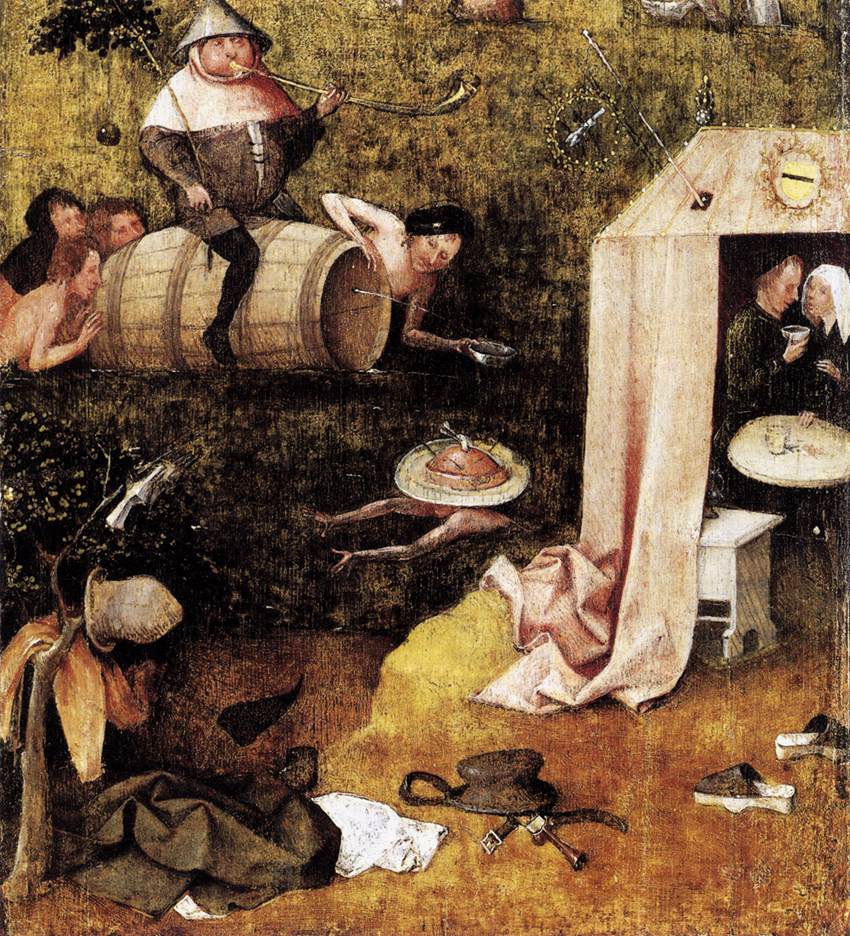
At first, when The Lazarus Pit had hit the air, he had been attacked for it. Not just the usual keyboard crusaders raking him along the coals on online forums and in hysterical video rants. That was part and parcel with the territory, especially in a program Felix had meticulously designed to thrive off controversy. As if controversy had ever been in short supply. Even back in the days when there were no breadlines outside supermarkets and the middle class that had followed the dinosaur and the dodo bird still remained, terminally online losers could always be trusted to find something to whine about. He hadn’t been deterred by the dog-turds rammed underneath his door, the bricks through the window of his old house, the flat tires in his car and the crudely drafted death threats rife with spelling errors and red crayon. What had been a real shock was the wave of support he had quickly received, the hashtags and the online trends backing the procedure.
After all, Sanitized Depopulation on the scale Nassar had theorized was a pretty stark novelty. It was euthanasia, plain and simple, no use beating around the bush. Lazar never used that term on air. Too many associations with fascist-eugenics-Hitler-Nazi crap.
Yet the arguments in favour were irrefutable, or so his allies pointed out. Sanitized Depopulation would reduce waste, break down the monopolies on food and resources cultivated by the greedy. In the hands of a single, efficient state, food would become what it always should have been: plentiful. Anyway, everyone knew that those who attacked the procedure were just insane radicals who cared more about themselves than helping other people. It was outstanding how quickly people’s indignation vanished when they were able to relax by themselves in their own flat, no longer shared with thirty other stinking, crying, coughing strangers. No longer reduced to counting ration coupons with trembling, hoarder’s fingers, and look how fast complaints dried up, when people could sit down to a steak dinner!
All you had to do was try not to think too hard of where it came from.
For thirty years Felix had hoped he was exempt from the Depopulation draft. Dimly, Felix registered that perhaps he had only survived for three decades because of his unflinching, rabid defence of the entire damn process. Now, it seemed The Powers That Be had decided to reward him for his keenness.
In bold, simple type, the envelope proclaimed cheerily:
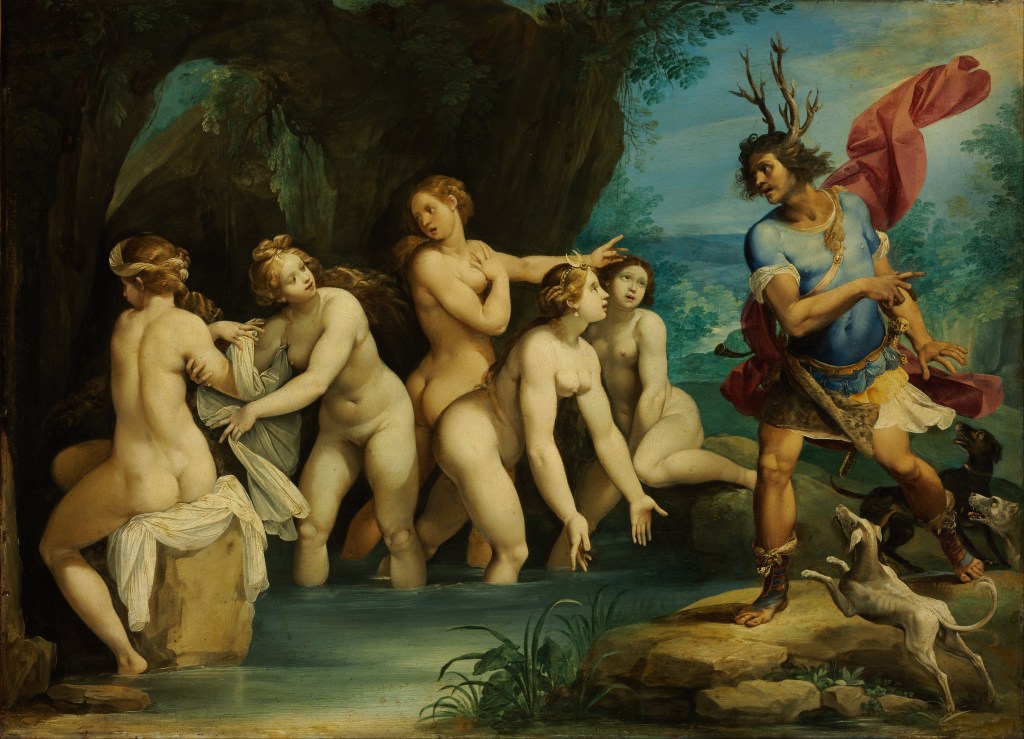
CONGRATULATIONS CITIZEN! YOU HAVE BEEN SELECTED TO TAKE PART IN THE ACTAEON SOLUTION.
There were no two doubts about it. His full name, occupation, address, civil status-they were all printed in neat little rows along the top of the envelope. As was usual for a medical record, the document had helpfully noted down his blood type (B-), which no-one ever really bothered remembering.
“Maybe it’s good to know,” he muttered to himself. “Maybe it improves the flavour.” Then he laughed hysterically. He howled at the absurdity of it all, at the sheer, cosmic indignity. At some point, he started crying. Then he threw up again.
Congra-tu-fucking-lations alright. Felix didn’t have to open the envelope to find out what was in it. He had examined maybe a thousand of them live on air, calmly talking his audience through the process, wisecracking and winking at the camera to ease the tension. A ghastly image assailed Felix, of a pudgy man with dyed hair and a silk shirt, quipping and teasing, his face a jack-o-lantern of pooling shadow and Botox corpse paint in the glare of the set-lights.
I guess you really are what you eat! -cue tinny, canned laughter- It could be worse, it could be Arby’s!”-more robotic screeches of mirth- I wish Congress was still around, I’ve never tried jackass! –renewed howls from the speakers, yuck, yuck, yuck.
Every shitty joke he had ever made was penned by scriptwriters. It was easier that way. It made it feel less genuine after every episode wrapped and the lights dimmed, Felix the showman fading into the darkness, save for that neon-white smile, we’re all mad here, yes sir, you can say that again. Staring at the hateful little package helped ground Felix in the present. He knew what would happen next: the envelope would contain a date, a time, a place. A picture of an animal. And a bland message of thanks.
Thanks! For the first time in his life the sheer audacity of it hit Felix with the force of a freight train. As if this was just a one-time favour. As if you had a choice! Though, oddly, some people did volunteer, displaying a suicidal eagerness to hasten what they thought was their own martyrdom. They loved posting about their appointment dates online, spending hours shaming others to follow in their benevolent footsteps. At the height of The Lazarus Pit, they had been the suckers Felix loved to have on his program. Their manic cheerfulness was disturbingly infectious, the perfect poster-boys for normalizing San-Depop and stamping down on the dwindling spoilsports that continued to insist on stirring up controversy around the Solution.
Felix remembered something his father had told him, about the days when the slaughterhouses were still running. How the workers led the animals to their deaths with the help of one goat, who would herd them to their demise. The beast, however, would be spared. It was the easiest way of doing it. His father had called it “the Judas Goat.” Slowly, Felix reached into the drawer of his desk, grabbing the state-issued cheque that had arrived a week before. It was a very large number. There were many zeroes. Quite a bit more than thirty pieces of silver.
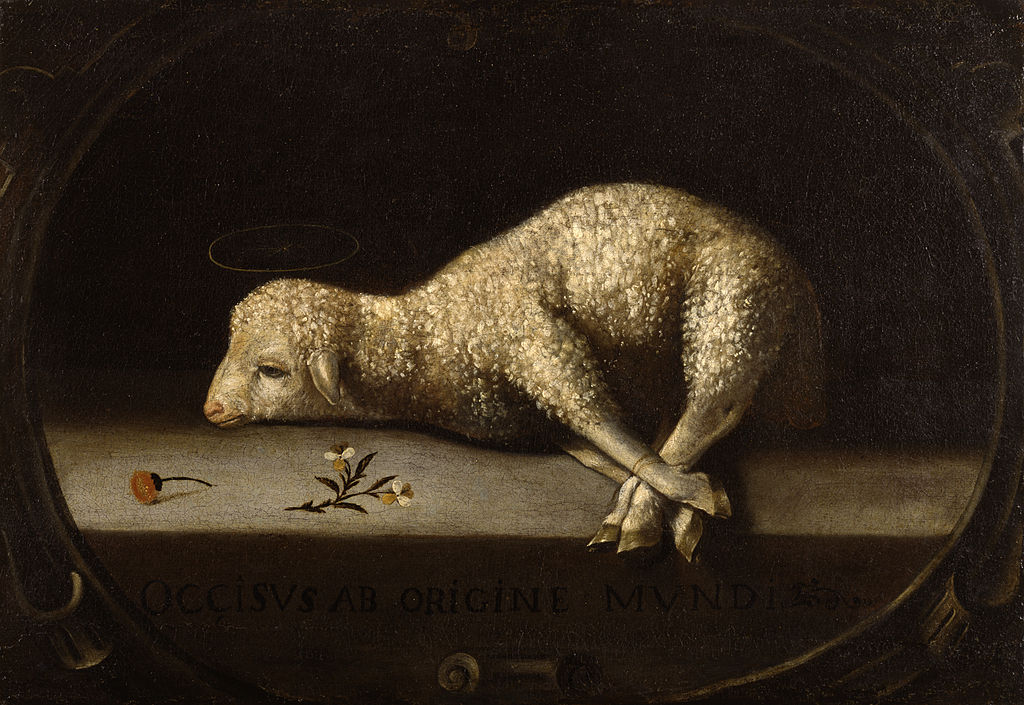
He’d once been granted the privilege (what a privilege!) to see the procedure carried out in person. It was meant to be an event; the public was never shown any footage or photographs of the process. Ignorance is bliss. It was one of his show’s most repeated slogans. Felix had lifted this pearl of wisdom from The Matrix. But building up hype was easy: The Actaeon Solution, the miracle of modern science that had kept food on the tables of the world, that had rescued mankind from the jaws of destruction when the granaries ran dry!
All you needed was a person. A person strapped to a steel table.
Not sedated of course: drugs spoil the taste.
The machines would do the rest. It was hard not to watch when they started, whirring and buzzing, screeching and glinting. Long, spindly arms quivering, all hooks and claws and knives and drills and peelers, saws and scalpels and hammers. They could take a person apart with the efficiency of a school bully on the playground. Nassar had told Felix not to worry: the sound he thought was screaming coming from the lucky citizen was just air and gases escaping his body. The whole process was totally painless, that was what was crucial for the public to remember. After enough minutes, guided by steady beams of radiation and injections of mutagenic sludge, the person would be stretched, pinched, stamped, sliced and carved into something, well, different, something useful. Disinfectant fog and sprinklers would wash the blood splattered walls clean, and the machines would have gunk wiped off their tools.
The citizen would be…. changed. Not to the extent San-Depop or Felix had led everyone to believe. Turning people into actual living, breathing animals was far-fetched even for Nassar, not to mention wildly inefficient. There was more to eat on some 169-pound lardass than on a pig or sheep. Instead, the machine settled for warping human tissue into an imitation carcass, an exact replica of animal meat. Absolutely indistinguishable from the real deal all the way down to the texture, structure, and most importantly, the taste.
Still, it was a necessary white lie for the masses. Easier to chow down on a burger if it was something inhuman, it’s not like it’s cannibalism, hell no! Plus, there was a weird poetic flair to it that people seemed to like: mommy got to be a bunny rabbit, look, Uncle Joe’s going to be a crab! Felix had never understood it, but he had been more than content to let folks concoct whatever cooky, little stories they needed to stop from going insane. Whatever helps you sleep at night, right? Everyone with sense swore by the quality of the meat: it was healthier, had no added preservatives or hormones, it was more humane and didn’t crowd poor animals into filthy pens. Of course, it was very good for the environment. Obviously, it turned Nassar an enormous profit.
Excess mass was easier to dispose of. Felix knew on good authority that there was a roaring trade in the less appetizing organs (what does a spleen do, anyway?) to hospitals and Universities across the country. As for everything else… well, bones become glue, fat was processed into soap bars, skin cured for shoes and belts. Hair was perfect for designer wigs; teeth were handy accessories and made excellent cufflinks. Felix’s own waistcoat had cost him five hundred dollars and was studded with buttons melted down from the gold molars of an old man he had seen turned into a ‘mallard.’
Felix could not resist the urge to look in the envelope. Sooner or later, he would have to. The personal details printed on it weren’t just for the benefit of the post office. It was a simple, crude reminder: we know where you live. We know where to find you.
For an instant, Felix considered packing a suitcase and bolting out into the night. The ridiculousness of the idea crushed him moments later. He was one of the most well-known men in the country, no, the world. His hoarded millions were worthless for escaping: any cheque he tried to cash would immediately be picked up by the appropriate San-Depop authorities. Not to mention his legions of fans would be quick to string him up for his his selfishness. Had he not been the first to point the finger at those who tried to dodge the procedure, raving at their cowardice? His viewers had lapped it up, locating and destroying every persona non grata with a speed worthy of a swarm of locusts.
Felix started to hyperventilate. His face bulged with the bug-eyed shock of a man who has spent his entire life pulling on a dog’s only for it to dive at his throat the second he lets go of the leash.
The envelope rasped as he ripped it open. Felix Lazar drew the paper out gingerly, painfully, like a child slowly peeling off a scab on his knee. He ignored the address, the date (two days, Jesus fucking Christ, Mother Mary and Joseph, only two days) and saw only the cute, brightly coloured animal next to his name.
A deer, prancing on the page with saccharine glee.
Felix Lazar could not think of deer. Instead, he remembered the whirr of machines, the crimson mist from the operating table. Screams. Just…gas, air escaping from the body, it was painless, you didn’t suffer, that was what he’d always told the public, just a few quick seconds, well…. more like minutes….some pretty long minutes-there sure was a lot of air in a person, huh-the shrieking sound that wasn’t screams, just gas-it sure didn’t let up did it-he wasn’t a scientists what did he know? Maybe it didn’t hurt, it probably didn’t, only two days until he found out, fancy that, no way it hurt, Nassar wouldn’t lie, he’d told everyone it was painless.
The next thing Felix Lazar saw was the bottle of pills still open at his desk.
Doctor Paul Nassar sat at his desk, bathed in the blue glow of his laptop. He finished drafting his report and sent it, smiling wanly as he heard the computer whoosh. He’d be rewarded handsomely for this; there was probably another Nobel Prize on the horizon. Gosh, he’d have to start using them as doorstoppers at this rate.
Nassar rang his butler, ordered dinner, and waited for his meal, checking his phone as he did, busy, busy, busy. He saw that the host of The Lazarus Pit had passed away, and that the program would be replacing him soon. Paul could vaguely remember meeting Francis or Frank Lazar, whatever his name was. An OK guy, a bit full of himself. Kind of smarmy, nothing worth writing home about. If he spent every waking moment reminiscing about every media personality that he’d ever meet, then he’d be at his desk until the cows came home. Any important messages from the more powerful ministries were handled with quiet efficiency, and he left the remaining interview requests, business meetings and university conference bookings for his secretary to wade through.
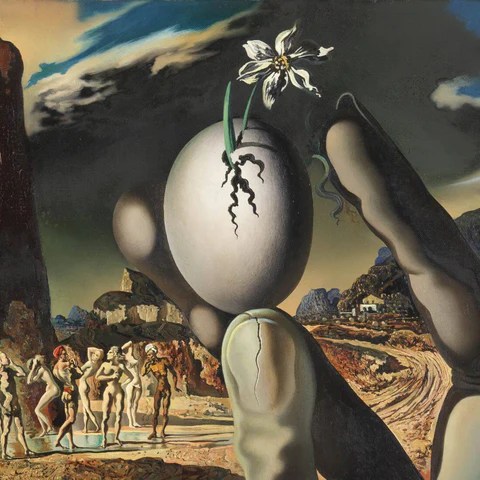
There were big changes on the horizon. His breakthrough (tentatively branded Cadmus) had been so obvious, he had no idea how it hadn’t occurred to him before. The first machine he’d designed only worked on living tissue–what a waste! All the dead, the suicides trying to escape the draft, the buried millions just rotting away into mulch-talk about a waste of resources! The machines had been readjusted, an expensive undertaking, but the payoff was immense. Now necrotic tissue could also undergo the transformation process.
It wasn’t perfect, unfortunately. Corpses from the terminally ill or the long-deceased were useless, no good at all for the quality of the meat. San-Depop would continue to run its lottery on living subjects until the kinks were worked out, though Nassar wasn’t quite sure they ever would be. The modifications would ideally pick up the slack and meet the livestock demands, but boy, despite everything, people were still out there, going at it like rabbits. Population growth was nowhere near as before, but darn it, things weren’t exactly peachy. Paul Nassar exhaled through his nose and rubbed his eyes. Some days it seemed like all his hard work was for nothing.
Still, this was a step forward. Paul had always fancied himself a glass-half-full kind of guy. There was definitely a Nobel Prize to look forward to, a medal maybe. Perhaps they would give him another island in the Caribbean. Martha had been bothering him about a second honeymoon for years. Paul Nassar hummed the chorus of an Elton John song under his breath as his meal arrived. Venison stew with thyme, butter, garlic, red jelly, mashed potatoes and a glass of wine to help. Still singing under his breath, Paul Nassar tucked into his dinner, thinking of Martha, the new report, which interns he’d sign off on tomorrow at the lab, what movie to watch tonight (a toss-up between Age of Innocence or Evita) and a spy-thriller he was looking forward to buying. He thought of all the files left to sort through, of ice cream for dessert and whether or not it would rain tomorrow.
Paul Nassar thought about all these things, but never about the food. He just chewed and swallowed, pink juices running down his chin.



 Pablo Lacalle Writing