It was Tuesday on a sluggish June afternoon in 1956, and Samuel Cohn sat and smoked a cigarette, waiting for a dead man. Well, not truly deceased, yet dead in that peculiar fashion unique only to the clients that Mr. Cohn dealt with on a day-to-day basis.
Samuel gave his watch a cursory glance and clicked his tongue softly. His right foot, squeezed into an oily Oxford wingtip, swung back and forth like a metronome. A daintily manicured finger sprinkled a fine rain of ash over an ashtray. His eyes trailed across the room apathetically, flickering now and then with smug condescension. Samuel was man who knew full well he would never grace such a backwater dive if he couldn’t help and was happy to remind people they’d do well to remember this.
But Andy had insisted. It would be impolite to neglect the wishes of the recently departed.
Cohn sucked on his cigarette, its orange embers a beacon under the heavy fog of tobacco- smoke. A patina of sap had accumulated on the surface of the battered tables and floorboards, years of congealed booze, spit and sweat sucking hungrily at the soles of his shoes. The place Andy had chosen had the quaint name of New Babylon, a title undoubtedly chosen by a Greenwich entrepreneur trying to conjure what they must have figured was a chic atmosphere of hedonism. As far as that went, the most Cohn could see was the odd couple giggling by the restrooms (this was the Village after all). Apart from that, the dive was all but empty. A group of young black teens were clustered in a dimly lit corner, joking around as they slid pennies into the ailing jukebox.
Cohn shifted nervously. It wasn’t that he disliked that kind of people, he’d managed a fair hand of coloured acts. He just preferred them more when they wore a nice suit and stood behind a microphone. He took a quick sip of his drink, making a face as the cheap whiskey crawled down to his stomach. After five minutes in a place like this, Cohn could feel the urge to peel his own skin off in sheets and run them under a tap. For God’s sake, he’d been having dinner at the Four Seasons a month ago……
With a start, he noticed the figure of Andy Prescott, picking his way through the forest of spindly chairs and patrons. The miasma eventually coughed him out, and he hurriedly pulled aside a seat opposite Cohn. Samuel let smoke hiss from between his teeth. He’d been made to wait for ten more minutes than scheduled in this dump, and he wanted Prescott to feel every second twist by, tight as thumbscrews.
Andy fidgeted in place. He’d been blessed with features that gave him a reassuringly handsome look of honesty, complete with cocoa-brown eyes and hair ripped straight from a magazine article on What Kind of Boy You Can Bring Home To Papa. Only the hints of a five-o-clock shadow and the puffy skin beneath his eyes betrayed him. That and the slight furrows in his cheeks. He’d lost weight since the last time they’d met.
If his face told a story, his clothes could have been a feature-length picture. A tatty brown single-breasted suit cut with three buttons draped itself on Andy’s frame like dirty clothes strewn over a chair by the side of the bed. A threadbare tie with a hideous polka dot pattern completed the sorry image, vainly attempting to suggest that its wearer was disposed of a cheery personality. Death had not been kind to Andy Prescott. Time’s relentless assault had whittled his image down to something even Willy Loman would have been embarrassed to be seen in. Not that this deterred Andy in any way: backed by the seemingly endless supply of optimism God had cursed the man with, he’d contrived to act like his bankruptcy was just a day in the life of good ole Andy. Sitting opposite the man, Samuel felt like the first peasant to notice that the emperor had left his drawers at home. He held his tongue. There was a disturbingly frail air to Andy, the tentative silence of a morgue. Cohn had the feeling if he broke it, Andy would burst.
“You’re late,” he said slowly, stubbing out his cigarette. Andy winced, scratching the back of his head.
“Sorry about that Sam,” he said, trying for a smile.
“It’s just-you know, no chauffeur or anything no more, I sort of lost track of time, and I still don’t know the subway that well or the Village-”
“That’s alright Andy,” sighed Samuel. He ordered a drink from the fat black waiter that was ambling by. Andy needed it. “Some place you picked out for us.”
Andy licked his lips, chuckling weakly. “I know it’s not like the usual joints Sam, but you know I’m not exactly a Rockefeller at the moment,” he joked, snatching the glass placed down in front of him. Samuel raised an eyebrow. It wasn’t the drinking that caught him off guard (Andy could outperform Dean Martin in that department) it was the slight change in Andy’s voice. A tinge of an old Polish accent had crept in towards the end of his sentence. Andy only slipped when he was very angry or very nervous. Hearing Andy’s New Jersey tones, meticulously polished from a childhood spent scrounging in the Ironbound sections of Newark, beginning to disintegrate worried Samuel a lot more than any ratty tie or poorly shaven chin.
He’d always known Andy’s career was on the rocks. Samuel had watched Andnej Popowicz, shy Polish immigrant, transform into a suave swing sensation overnight. He’d supervised the radio shows, the concert hall performances, the Christmas specials, meticulously managed his marriage to a bubbly and beautiful Hollywood starlet with more breasts than sense (Cohn’s decision, one he had been quite proud of) dressed up his singing doll in crisp suits to croon ballads about young love and meetings by moonlight.
But it was a flash in the pan-the disasters had lined up one behind the other, dominoes waiting to splatter Andy in rapid and terrible succession. First the ponies, then because Andy didn’t pick very fast horses, the exorbitant loans borrowed to afford a small palace on Fifth Avenue on the Upper East Side (that was what America was all about, Andy had insisted, as his ledger dripped with red ink) plus another for his ailing Babcia. Then the utter fiasco of a divorce from his wife, who had picked Andy clean and come back for second. Finally, there was just the simple, ugly fact that, though his music was passionate, loud, bombastic, Andy had just…. stagnated.
His natural charisma was unable to prop up increasingly vapid albums (Swing Summers! New York Nights! The Sweet Sounds of Swing!) which had left Columbia records with a gaping lack of sales, and Samuel Cohn with a bitter hatred of alliteration. Andy hadn’t been as creative as Sinatra, with his obscene success on the silver screen and his record-breaking run with Capitol. Andy had cried during From Here to Eternity and whilst listening to In The Wee Small Hours, but for all his tears he’d replicated his idol’s success. The final nail in the coffin was his wild idea for a Hanukkah album. It was a popular holiday, wasn’t it, and surely there were enough Jews around to turn a profit? A Catholic Polack singing songs about dreidels and menorahs: the album had gone down about as well as the cardboard parachute. The critics had savaged it with the innate malice of a big cat lunging for the jugular. Samuel had cancelled every one of Andy’s subscriptions to the papers, but he’d found out anyway. The guy always had a natural talent for self-destruction.
And now, all Andnej Popowicz had left was Andy Prescott, a name created only because Samuel had pointed out no Yank deserved to be exposed to that many letters at once. It wasn’t as if he was a stranger to new identities either: he himself had been born Sean Gallagher, a wee lad from the Emerald Isle. Then he’d stepped off that stinking boat onto Ellis Island and onto the shores of the promised land. And lo, the promised land had said unto him: JOBS WANTED: IRISH NEED NOT APPLY.
So, Sean Kelly had become Samuel Cohn, after an old drinking friend of has told him it was the Jews that had all the money in this country. Yet over the years Samuel Cohn had grown to be far more real than Sean Kelly ever was, as had Andy Prescott. It was like how the fat glass diamonds in the movies seemed more valuable than the real article. But you had to work hard to keep the trick alive, like a fat man sucking in his stomach for a photograph. Andy was floundering, his ego flaking away under the ruthless onslaught of life’s current. And no matter how dead he was, if Andy Prescott fell back into being Andnej Protopowicz then there was truly no coming back.
“Have another drink,” said Samuel, more an order than a suggestion. He signed for a fresh glass with a casual flick of his wrist. Andy ignored it however, swirling the amber contents of his cup and staring dead ahead.
“I can’t keep going like this Sam,” he whispered. Samuel blinked. He had expected this meeting to descend into the usual histrionics of struggling, entitled talent. His early annoyance dissipated: this was dangerous territory. Samuel would never have considered himself a sentimentalist, but he certainly wouldn’t abide a suicide on his conscience.
“There’s nothing to worry about Andy. You’ve just hit a bit of a bump on your career, that’s all, nothing that can be sorted out, I mean you’ve still got your voice, your looks, you’re a young fella, barely a day over thirty-”
“Thirty-six,” corrected Andy glumly.
Samuel hardly missed a beat. “-still in the prime of his life, that’s what I’ve always said, and trust me, we’ll look around, book a few gigs, maybe an army show, that always goes down well, a charity ball or two….” he was striking out wildly and he knew it. The charity balls were their best option, but the last thing Andy needed for his already ailing image was to be seen around rooms of geriatric old grandmas tossing their lace hankies on stage. But God’s sake, at least it paid–
“No, no Sam none of that,” said Andy firmly. “I won’t live out the rest of my days as a circus act, or, or some glorified gigolo.”
“Yes, well the thing about the circus is,” sighed Samuel, “they make money. As do gigolos. Quite a bit more than you do now.”
“I can tighten my belt a bit more Sam. I can’t afford another embarrassment just to snag a quick buck, you know how the critics are, they’re circling like sharks and if they so much as get a whiff of another Happy Happy Hanukkah situation….”
Sam raised one hand to his temple. Andy was right. Christ Almighty, it would be a lifetime before he’d be able to turn to the reviews column of The New York Times without breaking into sweat.
“So, what then, Andy?” It was becoming more difficult to keep the exasperation from his voice. “We make a bid for T.V? A surprise appearance on I Love Lucy?”
Andy ignored the jibe. Samuel paused for breath then stopped altogether. There was a look of steely determination in the man’s eyes, a look suffused with grim, lean hunger, one that Samuel knew all too well. He had seen it in the gaze of a young man named Sean Kelly when he stepped off that boat all those years ago. Without noticing, Samuel realized he’d sat up straight.
“What I need, is energy,” stressed Andy. The Polish burr had vanished. “Everything I do from now has be done with total confidence. At the slightest sign of weakness, they’ll bury me for good, hammer the nail down so far it’ll sink into the dirt. I can’t budge, not an inch, or it’ll be over like that!” snarled Andy, slamming his palm down onto the table. “Failure isn’t an option, Sam; I’ve tasted too much of that already and I’m ready to wash my mouth out. No corny stunts, no gimmicks, no pandering.”
“Meaning……?”
“Meaning no charity balls, no song and dance for the good old American boys, no TV dinner ads or detergent jingles.”
“Well, that’s all well and good Andy,” Samuel conceded, “but you’re flat broke, and it sounds like whatever scheme you’re cooking up is worth a lot of cash. Dollars, Andy. Capital, fundusz, whatever you want to call it.”
“Money doesn’t have to be an issue,” assured Andy, ignoring Samuel’s shocked burst of laughter. “I’ll sell the Chevy, I’ll pawn off the Rolex, whatever it takes, just to get me in that recording booth, just one more time, it’s all I’m asking for.”
“You’re talking about a comeback? An honest-to-Gods comeback?” spluttered Samuel. He had expected Andy to beg for a loan or reveal another hellish chapter in his ongoing marital issues, but this? “Andy, buddy, I’m telling you this because of our history together. You’re almost forty and singing swing music, it’s just not gonna cut it.”
“Sam,” said Andy firmly. “Have you noticed something ever?”
Samuel’s brow creased. Andy smiled wanly. “We’ve been talking here for nearly thirty minutes, and not a single person has realized who I am.”
It was obvious once he said it aloud. The usual whispers and shocked squeals that had accompanied Andy’s entrance into any public place, back in the Good Old Days, were absent. No rustling of fingers digging through handbags in search of handkerchiefs or grocery bills to be autographed, no turning heads creaking. He’d become so accustomed to that reliable, steady background noise whenever the two met that its silence was as disconcerting. Patrons around them were chatting, laughing and drinking, their eyes sliding through and past Andy as if he had been made from steam.
Andy leaned forward. For someone who’d just pointed out how little the world cared for him, his face was aglow with the feverish excitement of a small child with a new toy.
“No one remembers me Sam,” he said. “No one here cares about the old, sad Andy Prescott with his dance albums for suburban moms and his sappy concert hall performances. Don’t you see what this means? We can start again, turn over a new leaf, we have a whole blank slate to work on!”
Samuel made sure to maintain his usual air of tentative skepticism, but a smile was tugging at the edge of his lip.
“So, assuming we do have this blank slate-not to mention we somehow find some actual money-” began Samuel with forced nonchalance, lighting another cigarette, “what would you, say, draw, for lack of a better word, on this blank slate?”
Andy took a swig of his drink, smacking his lips appreciatively. “I’m thinking something for the younger crowd-”
“Jesus Andy, I thought you said no gimmicks.”
“No, no, not for kiddies, ugh, I’m talking something with some pep in its step, music people will want to dance to without worrying about slipping a disc,” continued Andy, his words unfurling with the aplomb of a magician revealing the card concealed in his sleeve.
“I’ll still stick to swing, but we ditch the big band high-society stuff, bring in some jazz horns, some sloppy, dirty brass, a pianist that can play Sam, really play not tinkle out show-hall tunes, maybe even some backing vocals like you hear in those Beale Street records!” Andy was almost levitating off his seat with excitement, his eyes sparking with an intensity Samuel had only before seen in the religiously insane.
“That’s a hell of a step away from your usual stomping ground Andy,” Sam pointed out. “Jazz horns? Beale Street? It sounds to me like you want to put together a record for darkies Andy,” said Samuel.
“Yeah?” said Andy, perplexed. “And what’s wrong with that?”
“You’re white.”
“Negros still buy records, Sam,”
“So do Jews, Andy, and I don’t need to remind you of how that ended,”
“That was because the music was bad, Sam,” insisted Andy. “The songs were crap; we all knew it. But if we put real effort into it Sam, genuine passion I don’t see why it wouldn’t work!”
“You would be an easier sell than a coloured act….” murmured Samuel, half to himself.
“Exactly! And look, Sam, that kind of music’s always been popular with the younger crowd, we’re talking about a whole new audience here! New buyers, with money to spend, and old ones, who’ve been waiting for me to do something fresh and exciting and dangerous!”
Sam clicked his teeth together. “A lot of your old listeners might not like this,” he warned, but his heart wasn’t in it. Behind his pale blue eyes, numbers, figures and names were locked in vicious battle as they fought to pave the fastest way to El Dorado.
“Ah, c’mon Sam, you and me both know I haven’t made a good record since ‘49. Any “old listeners” I still have left will be in the obituaries by the time we make this.”
“We’d have to reshape your image a little…. The New And Improved Andy Prescott, not mom and pop’s music, something cool….” Samuel pondered. “You don’t go to the ponies anymore, do you?” he inquired suddenly.
Andy flushed red. “I’m not that man anymore Sam, I wouldn’t have called you here if I was.”
Samuel nodded to himself, satisfied. “A new kind of swing record, for Negros and white folk looking for a little danger, a little more life when they go dancing,” Samuel grinned, his smile all canines. For the first time in quite a long while, he felt excited in Andy’s presence. The dead could walk again, with a little push and two electrodes jammed into their skull. Andy had found a spark, and now it was his turn to pull the lever. “It just might work.”
“It has to work,” stressed Andy. “Trust me Sam, I won’t let you down on this. Just one more push, and no more meeting in dirty bars in the Village, no more loans and mortgages. Back to dining at the Ritz and rolling through 59th street in nice cars with pretty girls,” laughed Andy. The frail man that had sat down at the table had been replaced, his body inflated from within with the fierce blaze. Sometimes collapsing stars can burn, one last time.
“Oh, what the hell,” chuckled Samuel, and stuck out his hand. Andy gripped it in a vice ridged from the memories of New Jersey steelworks, a leathery hiss emanating as calloused palm met calloused palm. They shook, more for the hell of the thing than for any genuine reason, and then Samuel ordered another round of drinks, his eyes gleaming with the far-off halls of El Dorado.
It was later in the evening, around eight p.m., and Samuel and Andy were in Andy’s temporary apartment in the Village. The windows had been cracked open against the muggy heat that carried the stench of garbage and exhaust fumes on its back, and both men had discarded their jackets, sleeves rolled up past their forearms. Sweat stains spread from beneath their armpits. Ties had been loosened, and both men were in animated conversation around the dingy kitchen table, a bare lightbulb flickering anemically as it buzzed.
A steady flow of excited babble came from both mouths as they jotted down names and ideas in Samuel’s notebook, his pencil skittering manically to keep up with the torrent. Presently, a cracked plastic phone was found for Samuel, who paced around the room, fingers blurring as they turned the dials, the New York air outside the apartment punctuated by intermittent burst of flattery or vicious swearing as deals were made, favours called in and demands insisted upon.
After a while, Andy located a bottle of cheap champagne. The makeshift roadmap of their future was completed, the first foundations laid for the New Andy Prescott. Both men sat down in the sweltering apartment, and raised a toast to God and to country, to dollar bills, to America, to youth markets, cheap booze, studio musicians, red-headed actresses, Negro pianists, Frank Sinatra, penthouse suites, new beginnings, new names, and the new age of swing. The pop of the champagne cork was a firework.
As the bubbles fizzed, in the apartment across the street a young student was watching T.V. the muted sound from the screen barely audible over the cacophony of traffic and the repeated clinks of champagne glasses and celebration from the opposite kitchen.
The Milton Berle show was playing, and the student was frozen in his seat as if nailed there through the feet. He was watching a stickman gyrating with animal ferocity, tossing a head of ink-black hair, snapping back and forth. At any point it seemed like he’d tear his way free from the confines of the television set and stride out to claim dominion of the world. On the TV, the figure whooped and hollered and shook like a thing possessed.
The following chronicle was cobbled together from a patchwork of archival documentation, medical records, and letters related to the life of the once-celebrated Commander Jean-Jacques Auguste. I would like to thank Monsieur Auguste’s estate for graciously providing access to the late Commander’s private journal.
I will reluctantly admit that I cannot provide any comments as to whether the events recounted here are credible or not. History, mendacity, and superstition shape this epistolary puzzle: I leave it to my trusty readers to be judges, juries, and (dare I say it?) executioners of time’s sordid legacy. But enough from me-—it is time for the living to hold their tongues, and for the dead to speak.
Report drafted by Garrison Commander Jean-Jacques Auguste, Second Franco-Mexican War, 2nd of August 1865.
“Frightful business with a spot of local unrest. Juárez loyalists took up arms to storm the munitions arsenal. Attack was quickly thwarted. Minimal French casualties sustained. Loyalists apprehended.
One civilian death reported, a young native girl. Unable to properly ascertain the culprit. Most likely an accident.
Family has been duly compensated for the cost of the burial. Men are in high spirits after the victory. There seems to be no indication of further violence.
Glory to the Emperor and may God have mercy on our souls.”
Private correspondence of Garrison Commander Jean-Jacques Auguste to Madame Madelaine Auguste, 3rd of August 1865.
“They hanged the brigands today in the courtyard, as the sun was setting. Oh, my dove, what a beastly hour to take the life of a man! A condemned man should be permitted to leave this earth beneath a clear sky. Instead, they shuffled onto the gallows, stained blood-red by the dying light of the evening. They cast great shadows for men so small.
I hope these words I write are not too displeasing. I appreciate your desire to be informed of my doings overseas, but I can make no promises as to the content of these letters. The work of a soldier is grim business, and our duties here in Mexico are a far cry from the parades in honour of the emperor back home. I still remember the blush on your cheeks as I strutted in that silly dress uniform. Good heavens, I looked like a wedding cake! I would rather you hold onto on to that image of this proud fool who loves you too much for his own good, than that of the battered, tired man who writes this now.
The crowd did not cheer when the brigands swung. I am not sure if it would have been better if they did.
I simply wish for this confounded war to end. One can only hope that braggart Juárez sees sense and forfeits the debt these Mexicans refuse to pay to the Crown! My palate is more refined for our evening treats at the Boulangerie Viennoise than these base offerings of blood from a gaggle of Cains.
Oh darling, that I could once more see fields of dew-slick grass, feel the grey mist of an evening rain! I struggle to put it into words, but this country’s soil does not agree with me.”
Excerpt from the personal journal of Garrison Commander Jean-Jacques Auguste, 3rd of August 1865.
“I watched as they buried the young girl, though I knew I was not welcome. Nevertheless, I felt compelled to see it with my own eyes, as they lowered the coffin into the red clay. I think I buried the family dog in a similar fashion, stuffed inside a crate once used for storing milk.
I could not tell Madelaine. I fear I have already upset her with my grisly talk of executions. Besides, women take the sufferance of children quite poorly. I cannot help but wonder whether they are more sensible for this. It is difficult not to ponder how I would have felt, had it been a daughter of my own sepulchered beneath the dirt. Try as I might, I could not coax out any tears.
The natives said nothing of our presence there, but I feel that for the first time since our arrival we are seen. Before they simply stared, but did not look, those vacant, simple black eyes flitting over uniforms and flags, like a gentleman sighting a vagrant begging for alms on the side of the road. Acknowledging that he is there (as a stone in your path is) but not recognizing him as a thing that lives. I fear the natives see us clearly now, and anything that lives, one knows, must also bleed.
The searing winds have picked up, and they unearth a putrid smell. My only hope is that any threat of further violence is buried quietly alongside the coffin. It would be a terrible thing indeed for them to lose more daughters, now that they have no fathers left to raise them.
The native girl’s mother did not weep at all throughout the burial. Instead, she simply stared mutely at the earth.
Before I departed, she moved to toss a final clod of parched mud onto the mound, my shadow spreading out to mingle with hers. Native and Frenchman, intertwined by an umbilical stretch of darkness, knotted over the remains of a murdered girl.”
Private correspondence of Garrison Commander Jean-Jacques Auguste to Madame Madelaine Auguste, 9th of August 1865.
“…. a most unusual occurrence was bought to my attention this morning, my darling. It appears that one of the men, Maxime Dupont, refuses to participate in drills as expected of him.
I investigated further myself, as the lad in question has always been a most noble, patriotic, and proud fellow. I am sure that if you think back hard enough, you will remember Monsieur Dupont, darling, for he was present at on our wedding day. A rather tall, brown-haired chap with crooked teeth, very polite. I recall you remarking that his manners quite impressed you, so you will also share my puzzlement.
Upon being questioned as to the nature of this bizarre attitude, Monsieur Dupont refused to explain himself properly. He appeared to be melancholic and convinced that he was under severe risk of being harmed. Monsieur Dupont’s condition was serious enough that he has been temporarily placed under the care of our physician.
Most likely, this is the consequence of too much time spent underneath the sun. That, or there may be some thuggish behaviour carried out underneath my nose by scoundrels harassing Monsieur Dupont. Regretfully, it would not be the first time this has happened within the army, though I pray such shameful deeds are not the cause of his distress.
I do hope you are taking care of yourself, my dove. The French heat is often as merciless as the brands of Mexico. It heartens me that you took my last letter so well, though I feel I must apologize for indulging in gory details. Do try out the new hat I have sent if it has arrived already. I am certain it will be the envy of all your reading society.
I tried to look over the Baudelaire you enclosed for me, but I confess I do not really understand it. It will fall to you to help me through it when we are in each other’s arms once more.
Your love, and faithful servant, Jean-Jacques.”
Report drafted by Garrison Commander Jean-Jacques Auguste, Second Franco-Mexican War, 11th of August 1865.
“……. Dupont’s case continues to worsen. Has been isolated away from the rest of the
men for his own safety, and theirs. Have ordered him to be physically restrained. He insists on incurring grievous wounds upon his own person. Ordered his quarters to be lit constantly.
He is at his most demented in the presence of darkness. No certain diagnosis as of yet. Cause of madness is still unexplained. Private Dupont is physically in perfect health and has yet to see battle.
Have instructed for the old well to be inspected, and a new well to be dug. Contamination in the water may explain Dupont’s behaviour. Have also issued an investigation following frequent reports of whoring and men soliciting the services of native girls. I would not be surprised to discover that the diseased patient is hiding the initial symptoms of syphilis.
This unfortunate circumstance has taken a toll on morale. However, I am confident order will be reinstated soon. Have personally attempted to interview Dupont, but there is nothing of value to report in his testimony.”
Entry from the personal journal of Garrison Commander Jean-Jacques Auguste, 14th of August 1865.
“Monsieur Dupont passed away this evening. The poor man resorted to chewing out his own tongue to end his life. There is little in this world more pitiful than suicide, but even this defies belief. The physician found him drowned in his own blood, the pink stump of flesh a bulging mass inside his throat. It was wedged so firmly in the poor devil’s gullet that they had to slit it open for removal.
This is not the handiwork of a syphilitic lunatic, and I confess, to my great disgrace, I have not been entirely honest in my reports of Dupont’s behaviour. Yet, in my defense, there are certain happenings so outlandish that to relay them to my superiors would, at best, question my authority and, at worst, my own sanity.
The day before he bit out his own tongue, Monsieur Dupont fainted, screaming in fear of a little girl.
A widespread search was conducted as to whether any of the native population had managed to infiltrate the barracks. No foreign presence, never mind a little girl, was located. I would be remiss not to mark the unsettling echoes of the Mexican child buried two weeks ago, but it would be preposterous to fall into the waiting jaws of superstition. It is a ravenous beast that gluts itself on paranoid delusions and self-fulfilling prophecies.
That being said, I find it hard not to attach any importance to Dupont’s words the night before he expired. All the while, he shrieked the same three words repeatedly. Even when fatigue overcame him, he moaned them out in a stupor: Solid. Dark. Shadow. Solid. Dark. Shadow.
The bizarre nature of this…incantation has kept me from further reporting the event. After all, the words make so little sense.”
Shields, Frederick James; Hamlet and the Ghost; Manchester Art Gallery.
Emergency message delivered to Garrison Commander Jean-Jacques Auguste by Chasseur Hugo Verne, 17th of August of 1865.
“…whilst on sentry duty this evening, me and Garnier and I spotted movement from up on the garrison. The watchword was asked for. No answer was given. No reply or any more movement was noted.
Later, around midnight, movement again. Garnier and I observed a solid, dark shadow on the Eastern wall. I note solid, Commander Auguste, begging your pardon, as this wasn’t a trick, and Garnier can back up my statement.
Lost sight of the intruder before we could get any closer. No evidence of the stranger’s presence could be found, no footprints or anything of the kind.
I believe it is for the best, if you don’t mind my speaking out of turn, Commander Auguste, to consider more security along the walls. The ease with which this intruder fooled both me and Garnier is……. troubling, as on my honour as a Christian, neither of us were neglecting our post or sneaking a drink that night and were both on the highest of alerts.”
From the personal journal of Garrison Commander Jean-Jacques Auguste, 17th of August 1865.
“I do not know what to make of Monsieur Verne’s report. Recent circumstances leave me shaken to my core. I have prayed to God for assistance in this matter and asked Him to dissuade these fancies that threaten to plunge me into the raving world of witches and lunatics. He remains silent as the crowd that saw those brigands hang, a mute disgust watching me with sable eyes. Quietly measuring out a noose to circle my neck.
It was those words again, in Monsieur Verne’s tale. Words said in sequence, that he could not have possibly heard from the departed Monsieur Dupont, who howled them out only to a physician and to me.
Solid. Dark. Shadow. Solid. Dark. Shadow. What on earth does it mean? Is this a code or cipher, a motto whose significance I am simply too slow to understand? Yet there again it appears, creeping through the flow of his speech like mold, slowly spreading from beneath its dank abode, solid, dark shadow, solid, dark, shadow, a redundancy made manifest. Nevertheless, I find myself repeating it as I would my nightly prayers.
How can I not peer into the folds of night and imagine, hidden in them, a shape, biding its time, observing me in silence, waiting for my back to be completely turned to lunge at me in fury?
The longer that I squint into the shadows, the more they seem like slippery coils of matter coalescing and drifting apart-but no, no, they do not yet appear dark, or solid, though shadows they may well be. The candlelight strikes at their questing tendrils and whips them back. What fear is there for a soldier of the Empire that quelled this dry and savage land when faced with goblins, ghouls, and childish inventions?
Ours is an age of reason, and to reason I must pledge myself as servant and crusader.”
Private correspondence of Garrison Commander Jean-Jacques Auguste to Madame Madelaine Auguste, 24th of August 1865.
“Though it pains me to admit it, Madelaine, I exhumed the child’s corpse yesterday, alone, under the cover of darkness. Of late these days, I have been more than a little dishonest both to you and to my superiors. I understand this must confuse you, but all I ask of you is to try and to understand.
It was my bullet that ended the poor thing’s life, a terrible accident. I would never have committed such an atrocity in good conscience-you know how much I love children, oh Madelaine, how can I make you see it? The smoke, the shouts, the haze of gunpowder…. a stray bullet, but nevertheless, one from my own gun. It was dismissed as a tragedy, a slip-up. You are the only soul that knows this, the only soul that I can trust to lead me with your perfumed hand through this field of thorns.
Please, if the holy bonds that join us as man and wife could ever be called upon for a matter such as this, let me call upon them now.
Should I have come clean, admitted the murder to be my fault? Would my superiors have cared? We all knew the bullet that the physician removed from her heart was of French make. Yet no uproar was raised, no guilt doled out-we all witnessed it, but only I saw. Madelaine, my love, the world will never know it was my rifle, the. The world does not want to know, but I will always bear that memory upon my shoulders, splinters, and all.
And now all this talk of specters and shapes and death, it is choking me, Madelaine. Even now I question the decision, but it is for the best neither the Mexicans nor my men know of my momentary lapse of good conscience. I had to know, had to ensure that shame and rumour did not run amok any longer through my garrison. The chaos would be unimaginable. I rest easy with mud beneath my fingertips rather than innocent French blood staining my palms. Some doubts are best put to rest expeditiously and without fanfare.
The fire that burnt what remained of the native girl left nothing solid indeed. Though try as I might, no matter how high I fanned the flames, I could not quite dispel those infernal shadows.”
Report taken from the medical journal of Garrison physician Jean-Baptiste Rochefort, 26th of August 1865.
“Deceased have been identified as Chasseurs Hugo Verne and Charles Garnier. Monsieur Verne’s wounds point to a shattered skull and broken neck. Body was found at the bottom of the stairs leading to the watchtower.
Little blood found on the stairs themselves, indicating Monsieur Verne threw himself, or was thrown, impacting beside the final steps with tremendous force. Vertebrae in the neck completely pulverized. Serious lacerations observed on Verne’s hands, torso, and feet. Bite-marks and scratches from a human hand, some deeper injuries, from a blade of some kind. Unable to accurately identify marks as those of an attacker or self-inflicted.
Monsieur Garnier found impaled through the jaw on the bayonet of his service-issued rifle. Blade lodged firmly in the top of the cranium. Gunpowder burns on Garnier’s hands and face are evidence of an attempt at discharging his weapon. Angle of entry of the blade proves Monsieur Garnier was aided by gravity. Monsieur Garnier’s torso and extremities bear signs of grievous corporal punishment.
Presence of unusual blemishes in the eyes of both deceased. Cloudy bruises on the surface of the pupil are reminiscent of a solid, dark shadow.”
Private correspondence of Garrison Commander Jean-Jacques Auguste to Madame Madelaine Auguste, 5th of September 1865.
“This will be the last letter I send to Paris, my darling, not because my love for you has dimmed in any way, but because I believe it is best you separate yourself from a wretch such as I before it is too late. You may weep when you read these words, you may call me cruel, but it is the necessary cruelty of the monk who shreds his back to ribbons in the pursuit of salvation.
As it is, I have resigned myself to the knowledge that even in death, we will not be reunited. I will still remember you fondly, though my eyes be blinded with hot blood from the boiling lakes of Hell. I sleep next to the fire now, for its blazing light is infinitely preferred to the cold, the teeming, wet womb of shadows that slide themselves over my skin, seeking to pour into my ear, thrice blasted and thrice infected for the purpose of my ruin.
Yet I confess myself a coward, for still I wince and turn away when the edges of the fire’s tongues lick at my cheeks and fingers. If I cannot even stomach these flames, what will I endure in the dungeons of Tartarus?
I did not mean to kill that little girl. It was an accident; I could not have seen her!
But…I saw her the other night, in the hallway outside my quarters. Scoff at my words, denounce them as the fevered delirium of a madman driven insane by guilt. She-she? No, it was just… standing stood there, the silver mist of moonlight hovering like a miasma behind it.
Before I had dismissed the reports of my men of the “solid, dark shadow” but now I know what they meant. That slight figure did not move, but even surrounded as it was by its brethren, the shadow of the girl hung in space, a rip in the fabric of the world.
Perhaps the worst thing about it was its weight. The thick, heavy feel of its shape that belied it as something tangible, something set in its place and its purpose. Not an airy, specter that could be passed through, but a creature whose hands could touch andg rasp and feel and hurt and choke and scratch………its footsteps leaden thuds advancing onwards at the call of twilight, fingers smudging their blackened grime on doorknobs forced open, sabers shattered, rifles broken.
Even then I understood that though it could be touched, it could not be killed. Any round discharged at that chest would be devoured by the hungering dark. Within the shape of that thing there dwelled the entrails of midnight, a corruption that had leeched its shadows from our hearts and minds and gorged itself, waiting to multiply.
Had it been lying in wait, spreading like gangrenous rot ever since the winds blew that rancid stench from within the murdered girl’s coffin? Or maybe, like a seed, like grain, it was we who had carried it. Packed it in straw, sealed in crates, stuffed tight alongside the cannon, the rifles, the swords, the mortars, the grapeshot, and gunpowder sent over in droves on the emperor’s boats to germinate in this world of unspoken, bloodied truths.
I had stared at similar shadows on the prow of my ship as it crossed the Atlantic, dripping from the folds of the tricolore, I had glimpsed it crawling inside shell-casings and lurking behind my shaving-mirror, wearing my face as a carnival mask. It must have helped me dig up the girl. The task had seemed faster that night, as if some being was scrabbling at the wood of the coffin from below, eager to be free.
I ran. Why bother denying it? I ran, tearing down the corridor, bolting back towards the fire, towards the light that could beat back the shadows. It did me little good. It never will. This terror that stalks us all is not a foe to be vanquished by any means of reason, for we have always been endarkened.
I can feel it within me now, from where it peeled off and slipped into my own shade. The filth is a second skin, sewn onto my back. It hovers over my head, stretching and dancing on the walls as it catches the light, doubling my every move like a mime, an ape with a thousand forms. How could I possibly return to France, nestling this parasite in my bosom, a prodigal son of lies returned to the place of its birth? It would flit from host to host, trailing the blossoms of its tarnish in its wake, curdling the souls that already hide the kernels of that self-same seed.
I will not be the father to a legacy of shadows.
I love you Madelaine, though you wish I never had. Remember the gilded uniform, remember the walks by the Seine, the pastries shared by lamp light. Please remember my face, one last time, before its features run melt into a pall.”
Excerpt from medical records obtained from Charenton Asylum, Charenton-Saint-Maurice, 28th of October 1865.
“Monsieur Auguste’s mental state has not shown any significant indications of improvement. Almost a month has passed since his internment and transportation from Mexico, and he continues to be stricken with active and severe attacks of melancholia.
Recently discharged from the infirmary after a case of self-mutilation, Monsieur Auguste flayed chunks of his own feet with a stolen kitchen knife. Claims it was to cut away his shadow.
Fear of the night has repeatedly been observed being his most obvious and frantic concern. Monsieur Auguste has been moved into solitary quarters for his own safety.
Admittance today of a new lunatic. Assaulted several prostitutes due to bouts of psychosis likely triggered by a prolonged abuse of absinthe. Request for further medical examinations for possible venereal diseases carried by the patient: his body is covered in unusual blemishes, like solid, dark shadows.”
Felix Lazar wiped his mouth with the back of one pale hand and threw up. There wasn’t much left to puke: a thin film of bile peeled from his lips, a trembling spider web. He swallowed hot phlegm, getting to his feet shakily, steadying himself against the edge of the table as he rose. Stubby, well-manicured fingers scrabbled to find the bottle, pawing at the ridged plastic child-proof cap. One pill, then two, no, fuck it, three. The chalky texture of the medication dissolved in Felix’s throat; the chunky aftertaste of vomit mixing with the bitter paste of drugs. The room swooned, and he was down on his knees again, forcing yellow slime from an empty stomach. The pills gleamed at the bottom of the basket like discarded change.
Moaning softly to himself, a keen whimper that trailed off into a sob, Felix made himself stand up. He caught a glimpse of himself in the mirror and nearly broke it then and there. His skin was fungal grey with shock, deep chunks of puffy blue-black flesh boring into the space beneath his eyes. The silk shirt his viewers loved was stained with filth, and his tie hung around his neck like the rotting trophy of a savage in an adventure movie. White flecks peeked industriously from behind the black gunk Felix smeared on his hair every morning. This only served to complete the portrait of a man whose dignity had been forced out of him and into the rubbish along with his lunch.
Blearily, his eyes landed on the enormous, framed portrait near his desk. The old Felix Lazar beamed a toothy grin back. Too pristine to be fully natural, the kind of work discreetly done in an expensive LA dentist’s chair. Everything about the figure in the photograph suggested someone who had slowly and methodically erased any identifiers of age. Next to Felix stood a shabby little man in a lab-coat that would have been put to shame by a Halloween costume. The scientist was a foot shorter than Lazar; his blonde hair combed torturously over the wide dome of his head. Nevertheless, his smile was completely genuine, threatening to devour the photographer in one bite.
His name was Doctor Paul Nassar. Of course, the bastard was happy. He had saved the world.
Not that Felix was in a congratulatory mood at the moment. In fact, it took all his strength not to throw a paperweight and shatter Paul fucking Nassar’s smug face.
Felix resigned himself to collapsing into his chair. Pinching the bridge of his nose was enough to stem the flow of tears, but only just. More than anything, he tried not to look at the surface of his desk where the thing was waiting, squatting by his laptop like a dormant snake. It sat primly within a lilac-envelope, as innocent as a Christmas card from his grandparents, the type he’d rip apart, pretending to read the trite message within as he counted the money inside. Felix had been in no rush to open this envelope. Surely no one ever was.
Deep down, Felix had always known that one day it would happen. There were only so many people on this earth (less now, not like before, not like the bad times with their swarms of refugees, immigrants, tramps, looters, criminals….) so it was natural the lot would fall on Felix sometime. He knew it better than anyone, had spent the greater part of thirty years endorsing Nassar’s revolutionary procedure on his program, eagerly cashing in the state subsidies crammed weekly into his mailbox.
Felix had dedicated almost every waking moment to pushing Nassar’s population-control operation to be implemented worldwide. As far back as the early days, when the smug, brilliant little geek’s experiments had been pilloried and lambasted by the scientific community and the horrified public. That was when people could afford to sniff down their noses, before even the most self-righteous had been forced to kill and eat their high horses to survive. Nassar had been able to secure the last laugh, then the Nobel Prize, and then the position as the leading medical expert in the entire country. Not to mention unlimited protection as the head of the Commission for World Health and Sanitized Depopulation. Felix hadn’t just sat idly by-ever since his first tentative foray into show business, he had been pulled along by the nose, bestowed with a prodigious gift for sniffing out the nearest windfall. He’d crammed the procedure down the throats of the masses until their teeth cracked. It was exceedingly easy, standing in the sterile light of his studio set, reeking of cologne, plastering on that piranha grin. People were tired, broke, rabid, desperate. More than that. They were hungry, and Felix had been the first to point them in the direction of a land of milk and honey.
So, yeah, there would have to be some sacrifices and? You had to give up a few souls here and there for salvation. It was in the Bible or something.
At first, when The Lazarus Pit had hit the air, he had been attacked for it. Not just the usual keyboard crusaders raking him along the coals on online forums and in hysterical video rants. That was part and parcel with the territory, especially in a program Felix had meticulously designed to thrive off controversy. As if controversy had ever been in short supply. Even back in the days when there were no breadlines outside supermarkets and the middle class that had followed the dinosaur and the dodo bird still remained, terminally online losers could always be trusted to find something to whine about. He hadn’t been deterred by the dog-turds rammed underneath his door, the bricks through the window of his old house, the flat tires in his car and the crudely drafted death threats rife with spelling errors and red crayon. What had been a real shock was the wave of support he had quickly received, the hashtags and the online trends backing the procedure.
After all, Sanitized Depopulation on the scale Nassar had theorized was a pretty stark novelty. It was euthanasia, plain and simple, no use beating around the bush. Lazar never used that term on air. Too many associations with fascist-eugenics-Hitler-Nazi crap.
Yet the arguments in favour were irrefutable, or so his allies pointed out. Sanitized Depopulation would reduce waste, break down the monopolies on food and resources cultivated by the greedy. In the hands of a single, efficient state, food would become what it always should have been: plentiful. Anyway, everyone knew that those who attacked the procedure were just insane radicals who cared more about themselves than helping other people. It was outstanding how quickly people’s indignation vanished when they were able to relax by themselves in their own flat, no longer shared with thirty other stinking, crying, coughing strangers. No longer reduced to counting ration coupons with trembling, hoarder’s fingers, and look how fast complaints dried up, when people could sit down to a steak dinner!
All you had to do was try not to think too hard of where it came from.
For thirty years Felix had hoped he was exempt from the Depopulation draft. Dimly, Felix registered that perhaps he had only survived for three decades because of his unflinching, rabid defence of the entire damn process. Now, it seemed The Powers That Be had decided to reward him for his keenness.
In bold, simple type, the envelope proclaimed cheerily:
CONGRATULATIONS CITIZEN! YOU HAVE BEEN SELECTED TO TAKE PART IN THE ACTAEON SOLUTION.
There were no two doubts about it. His full name, occupation, address, civil status-they were all printed in neat little rows along the top of the envelope. As was usual for a medical record, the document had helpfully noted down his blood type (B-), which no-one ever really bothered remembering.
“Maybe it’s good to know,” he muttered to himself. “Maybe it improves the flavour.” Then he laughed hysterically. He howled at the absurdity of it all, at the sheer, cosmic indignity. At some point, he started crying. Then he threw up again.
Congra-tu-fucking-lations alright. Felix didn’t have to open the envelope to find out what was in it. He had examined maybe a thousand of them live on air, calmly talking his audience through the process, wisecracking and winking at the camera to ease the tension. A ghastly image assailed Felix, of a pudgy man with dyed hair and a silk shirt, quipping and teasing, his face a jack-o-lantern of pooling shadow and Botox corpse paint in the glare of the set-lights.
I guess you really are what you eat! -cue tinny, canned laughter- It could be worse, it could be Arby’s!”-more robotic screeches of mirth- I wish Congress was still around, I’ve never tried jackass! –renewed howls from the speakers, yuck, yuck, yuck.
Every shitty joke he had ever made was penned by scriptwriters. It was easier that way. It made it feel less genuine after every episode wrapped and the lights dimmed, Felix the showman fading into the darkness, save for that neon-white smile, we’re all mad here, yes sir, you can say that again. Staring at the hateful little package helped ground Felix in the present. He knew what would happen next: the envelope would contain a date, a time, a place. A picture of an animal. And a bland message of thanks.
Thanks! For the first time in his life the sheer audacity of it hit Felix with the force of a freight train. As if this was just a one-time favour. As if you had a choice! Though, oddly, some people did volunteer, displaying a suicidal eagerness to hasten what they thought was their own martyrdom. They loved posting about their appointment dates online, spending hours shaming others to follow in their benevolent footsteps. At the height of The Lazarus Pit, they had been the suckers Felix loved to have on his program. Their manic cheerfulness was disturbingly infectious, the perfect poster-boys for normalizing San-Depop and stamping down on the dwindling spoilsports that continued to insist on stirring up controversy around the Solution.
Felix remembered something his father had told him, about the days when the slaughterhouses were still running. How the workers led the animals to their deaths with the help of one goat, who would herd them to their demise. The beast, however, would be spared. It was the easiest way of doing it. His father had called it “the Judas Goat.” Slowly, Felix reached into the drawer of his desk, grabbing the state-issued cheque that had arrived a week before. It was a very large number. There were many zeroes. Quite a bit more than thirty pieces of silver.
He’d once been granted the privilege (what a privilege!) to see the procedure carried out in person. It was meant to be an event; the public was never shown any footage or photographs of the process. Ignorance is bliss. It was one of his show’s most repeated slogans. Felix had lifted this pearl of wisdom from The Matrix. But building up hype was easy: The Actaeon Solution, the miracle of modern science that had kept food on the tables of the world, that had rescued mankind from the jaws of destruction when the granaries ran dry!
All you needed was a person. A person strapped to a steel table.
Not sedated of course: drugs spoil the taste.
The machines would do the rest. It was hard not to watch when they started, whirring and buzzing, screeching and glinting. Long, spindly arms quivering, all hooks and claws and knives and drills and peelers, saws and scalpels and hammers. They could take a person apart with the efficiency of a school bully on the playground. Nassar had told Felix not to worry: the sound he thought was screaming coming from the lucky citizen was just air and gases escaping his body. The whole process was totally painless, that was what was crucial for the public to remember. After enough minutes, guided by steady beams of radiation and injections of mutagenic sludge, the person would be stretched, pinched, stamped, sliced and carved into something, well, different, something useful. Disinfectant fog and sprinklers would wash the blood splattered walls clean, and the machines would have gunk wiped off their tools.
The citizen would be…. changed. Not to the extent San-Depop or Felix had led everyone to believe. Turning people into actual living, breathing animals was far-fetched even for Nassar, not to mention wildly inefficient. There was more to eat on some 169-pound lardass than on a pig or sheep. Instead, the machine settled for warping human tissue into an imitation carcass, an exact replica of animal meat. Absolutely indistinguishable from the real deal all the way down to the texture, structure, and most importantly, the taste.
Still, it was a necessary white lie for the masses. Easier to chow down on a burger if it was something inhuman, it’s not like it’s cannibalism, hell no! Plus, there was a weird poetic flair to it that people seemed to like: mommy got to be a bunny rabbit, look, Uncle Joe’s going to be a crab! Felix had never understood it, but he had been more than content to let folks concoct whatever cooky, little stories they needed to stop from going insane. Whatever helps you sleep at night, right? Everyone with sense swore by the quality of the meat: it was healthier, had no added preservatives or hormones, it was more humane and didn’t crowd poor animals into filthy pens. Of course, it was very good for the environment. Obviously, it turned Nassar an enormous profit.
Excess mass was easier to dispose of. Felix knew on good authority that there was a roaring trade in the less appetizing organs (what does a spleen do, anyway?) to hospitals and Universities across the country. As for everything else… well, bones become glue, fat was processed into soap bars, skin cured for shoes and belts. Hair was perfect for designer wigs; teeth were handy accessories and made excellent cufflinks. Felix’s own waistcoat had cost him five hundred dollars and was studded with buttons melted down from the gold molars of an old man he had seen turned into a ‘mallard.’
Felix could not resist the urge to look in the envelope. Sooner or later, he would have to. The personal details printed on it weren’t just for the benefit of the post office. It was a simple, crude reminder: we know where you live. We know where to find you.
For an instant, Felix considered packing a suitcase and bolting out into the night. The ridiculousness of the idea crushed him moments later. He was one of the most well-known men in the country, no, the world. His hoarded millions were worthless for escaping: any cheque he tried to cash would immediately be picked up by the appropriate San-Depop authorities. Not to mention his legions of fans would be quick to string him up for his his selfishness. Had he not been the first to point the finger at those who tried to dodge the procedure, raving at their cowardice? His viewers had lapped it up, locating and destroying every persona non grata with a speed worthy of a swarm of locusts.
Felix started to hyperventilate. His face bulged with the bug-eyed shock of a man who has spent his entire life pulling on a dog’s only for it to dive at his throat the second he lets go of the leash.
The envelope rasped as he ripped it open. Felix Lazar drew the paper out gingerly, painfully, like a child slowly peeling off a scab on his knee. He ignored the address, the date (two days, Jesus fucking Christ, Mother Mary and Joseph, only two days) and saw only the cute, brightly coloured animal next to his name.
A deer, prancing on the page with saccharine glee.
Felix Lazar could not think of deer. Instead, he remembered the whirr of machines, the crimson mist from the operating table. Screams. Just…gas, air escaping from the body, it was painless, you didn’t suffer, that was what he’d always told the public, just a few quick seconds, well…. more like minutes….some pretty long minutes-there sure was a lot of air in a person, huh-the shrieking sound that wasn’t screams, just gas-it sure didn’t let up did it-he wasn’t a scientists what did he know? Maybe it didn’t hurt, it probably didn’t, only two days until he found out, fancy that, no way it hurt, Nassar wouldn’t lie, he’d told everyone it was painless.
The next thing Felix Lazar saw was the bottle of pills still open at his desk.
Doctor Paul Nassar sat at his desk, bathed in the blue glow of his laptop. He finished drafting his report and sent it, smiling wanly as he heard the computer whoosh. He’d be rewarded handsomely for this; there was probably another Nobel Prize on the horizon. Gosh, he’d have to start using them as doorstoppers at this rate.
Nassar rang his butler, ordered dinner, and waited for his meal, checking his phone as he did, busy, busy, busy. He saw that the host of The Lazarus Pit had passed away, and that the program would be replacing him soon. Paul could vaguely remember meeting Francis or Frank Lazar, whatever his name was. An OK guy, a bit full of himself. Kind of smarmy, nothing worth writing home about. If he spent every waking moment reminiscing about every media personality that he’d ever meet, then he’d be at his desk until the cows came home. Any important messages from the more powerful ministries were handled with quiet efficiency, and he left the remaining interview requests, business meetings and university conference bookings for his secretary to wade through.
There were big changes on the horizon. His breakthrough (tentatively branded Cadmus) had been so obvious, he had no idea how it hadn’t occurred to him before. The first machine he’d designed only worked on living tissue–what a waste! All the dead, the suicides trying to escape the draft, the buried millions just rotting away into mulch-talk about a waste of resources! The machines had been readjusted, an expensive undertaking, but the payoff was immense. Now necrotic tissue could also undergo the transformation process.
It wasn’t perfect, unfortunately. Corpses from the terminally ill or the long-deceased were useless, no good at all for the quality of the meat. San-Depop would continue to run its lottery on living subjects until the kinks were worked out, though Nassar wasn’t quite sure they ever would be. The modifications would ideally pick up the slack and meet the livestock demands, but boy, despite everything, people were still out there, going at it like rabbits. Population growth was nowhere near as before, but darn it, things weren’t exactly peachy. Paul Nassar exhaled through his nose and rubbed his eyes. Some days it seemed like all his hard work was for nothing.
Still, this was a step forward. Paul had always fancied himself a glass-half-full kind of guy. There was definitely a Nobel Prize to look forward to, a medal maybe. Perhaps they would give him another island in the Caribbean. Martha had been bothering him about a second honeymoon for years. Paul Nassar hummed the chorus of an Elton John song under his breath as his meal arrived. Venison stew with thyme, butter, garlic, red jelly, mashed potatoes and a glass of wine to help. Still singing under his breath, Paul Nassar tucked into his dinner, thinking of Martha, the new report, which interns he’d sign off on tomorrow at the lab, what movie to watch tonight (a toss-up between Age of Innocence or Evita) and a spy-thriller he was looking forward to buying. He thought of all the files left to sort through, of ice cream for dessert and whether or not it would rain tomorrow.
Paul Nassar thought about all these things, but never about the food. He just chewed and swallowed, pink juices running down his chin.
Beneath the earth they dug, shovels scraping away at the loam. Above them, the war raged on, a staccato heartbeat of artillery shells that rattled the filth packed tight against their heads.
They did not care about the noise. It had become a creature comfort for them, a tether to a new normalcy drilled into their minds by the white-hot brand of tracer-fire and machine gun rounds. All they had to do was dig. So, they did, their faces corpse-masks sculpted from muck, hovering in the dark. Yellow streaks of lamplight cast a jaundiced sheen on bloodshot eyes that skittered as they moved forwards. Where their shadows merged, their silhouettes became monstrous moles. Bestial, blind, scrabbling with calloused hands towards the depths.
Cadan Hughes tried to avoid looking at his surroundings as he worked. Instead, he focused on the bite of his pick as he swung it. He braced against the tremors that ran eagerly up his arm. Better to fixate on the little things; the way the damp leg of his trousers rubbed up against his ankles like the family cat begging for treats back home, the way Broderick always coughed three times before he sniffed, or how, without noticing and without fail, Aidan’s shovel dug in time to the phantom tune of “Sosban Fach.”
Cadan furrowed his brow and struck the wall. Maybe it wasn’t good to remember home. It conjured images of a warm pub keeping out the fog that hovered over the mountains, of drinking games they played, before marching off to the blasted heaths of Belgium. Away from all that was good or green. As he jostled against his fellow miners, their sweat ran and streaked together. He stepped aside to let Gruffydd lurch past with a bucket. They weren’t strangers to mining. Cadan’s mighty arms had garnered him something of a notoriety in the coalmines back home, and the feel of a spade in his hands had been familiar to him even before the rattle. At least that was his father’s joke.
This was different. The coalmines were hot, rough work, but softened by jokes and gossip (miners gossiped more than housewives, broken up by breaks taken in clouds of obsidian dust that settled on their brown paper bags as they compared packed lunches and drank cold, sweet tea from metal flasks. After each day, there was always the prospect of coming home and soaking in a hot tin bath then heading down to the pub to play cards and sing and dance.
Cadan could not remember the last time any of them had sung.
The thought of it was lunacy. You did not sing in the tunnels. You did not talk in the tunnels. Because the enemy also knew how to dig, and they were forever stalking through the soil. Prowling in searching for sappers, to break their bones and split their skulls and leave their corpses sepulchered by the blood-stuffed loam of no-man’s-land.
Occasionally they would stop, drawing in tight, quick breaths. The muggy air would grow thin, cracking from the strain as their ears perked up, searching for the tell-tale thuds of the enemy as they mined. In those moments, the roots oozing from the sludgy roof became fingers poking through the walls in search of victims, and the trickles of dirt slithering around their boots whispered, anticipating screaming hordes erupting from the walls. Cadan had never killed a man. None of the team had, but every one of them knew their luck could only last for so long. At any moment the tools of their trade could become instruments of butchery.
Cadan would not have ordinarily said he was afraid of dying, but the prospect of meeting his end in the tunnels was a different story. It was every miner’s greatest fear: to be claimed by the earth they had ravaged, to be buried yet forgotten. The pressure of the earth trapping the soul for eternity where it would harden, crumble, blacken until it was just another lump of coal. As he shuffled forward, sloughing through the sod, Caden looked from man to man.
Cold grey water wept in streams of pus from the puckered earth. In the half-light a dozen pair of eyes burned with gold to pay the ferryman.
Rhys, in the lead, raised a hand, calling for silence. The miners froze. It was only until several seconds had passed that it began to dawn on them that there was nothing to listen for. Worse still, all the rats had gone.
They always took the rats for granted. The war-machines of monkeys never deterred them. Their fat, mangy bodies were a common sight, paddling through the tunnels, chittering, black fur glittering with blood. Red-eyed gargoyles perched on the wooden support beams and laughing scornfully at the slaves that toiled below their kingdom, the trench rats were fearless beings. No matter how many of their brethren were impaled, crushed or dashed into pieces, still they returned, their pink, puppet hands grasping at any scrap of waylaid food they could pilfer. What could cause the vermin to flee?
Cadan had never even considered there could be something worse down here with them. The realization was an icy jolt to everyone present, the creeping anxiety of returning home only to realize that all the furniture had been moved out of place. This was the silence of the womb; a wet, dull cocoon that signaled the beginning and the end of all things.
The quake of the guns had ceased. Cadan pressed himself against the nearest man, digging his shoulder-blades into his back. The tunnel had become impossibly small, it was too small, the walls flexing, pulsing, closing in, a mouth ready to chew them up and spit out their bones.
At his side, Gruffydd let out a yell. Something had moved up ahead.
All they could see for now were its movements, but that was enough to understand that whatever had shifted in the gloom was not human. It was a sudden, primitive understanding relayed instantly to all present. Now the lamplight was the weak, crackling flame of the campfire, and the hunched and ragged men were once again cavemen huddled together against the terrors of the night.
A shape was approaching from within the scummy water-no, it was the water. It defied any attempt at categorization, any clumsy desire to label or confirm. It rushed toward them with the implacable tread of shadows emerging from beneath a child’s bed. All the miners could do was stumble backwards, battering uselessly at the dark.
From the ground a being surged, growing before their eyes, blossoming like cancer. Grey, viscous liquid churned. Within it floated the ravaged corpses of rat and man alike, splinters of yellow bones and leathery flesh mixing, merging, separating. The organism’s body towered above them, its recesses throbbing with a million nameless dead. In the seething recesses of the beast Cadan could see the broken names from grimy labels, trailing broken stitches from where they had been peeled off jackets and trousers, the tattered shreds of handkerchiefs, photographs, rusted lockets and amulets, smothered together into a mess of death. Remains trawled from the filth, animated by a consciousness that smoldered with the pain of dying stars.
None of them could move.
Cadan felt his knees knock together, clattering like dice on the stones of the schoolyard. Around him he heard the moans of his fellow men strike up in chorus. The stink of fear was worse than the sweat. Cadan tried to look at the thing, but something inside his brain resisted.
To understand it was futile. What remained was a weight, crushing down on them, driving them into a hapless quiver, the grindstone of despair. It stared down at its prey with hard, black withered eyeballs and spread tendrils of dented bullets, pockmarked teeth and rusted bayonet shards towards the nearest man.
Then it was the man, it was on Rhys, seizing him by the waist and tearing away his side. Rhys didn’t even scream. Undulating fingers, tipped with shattered dog tags and bent crucifixes pierced through the helpless victim’s jaw and stabbed into the back of his head. It pulled him upwards, the corpse’s feet trailing in the air like a hanged man. Butchered on the altar to the damp and the dark.
The beast held the dead man before the miners, and those stubs that might have been hands began to move his jaw up and down. Rhys wept blood in black rivers, and then the body spoke in a voice that was both its own but also something else. Brittle diamonds, an order filtered through the apish sludge of the human mind. The beast sounded out the commandment, ripping through the quiet and forcing its glass-tipped speech from the throat of the murdered man:
Know Me.
The command was everything. It bellowed its way inside every man, rushing like filth erupting from sewer-grates. It surged, crawling into their ears, forcings itself down their gullets, burbling past chapped lips. Worming between the moist cracks of tear ducts and quivering nostrils, it gouged and grubbed, spreading its barbed roots into the crevices of their mind until only it remained
One by one, the being moved from man to man. Bowing over them, drinking from the froth of madness that spilled from their lips. Supping on the blood that ran from their wounds as they tore at each other’s faces, ramming shovels and pickaxes into their skulls to beat out the voice that squirmed within them.
And Cadan understood. As the creature loomed before him Cadan learned of the solitude of obliterated galaxies. Ruined worlds, consumed by the frosted crystals of space, leaving behind a whirling, shrieking mind screaming for the answer to its existence. Begging for a response to a call that would let its name live just a few years more. Acknowledged by nothing. Collapsing onto a distant ball of earth, immured beneath the clay. Fossilized, disturbed, awoken, reduced to a relic of a savagery thought forgotten, cobbling together the rotting remains of a legacy from discarded trash, even as it crumbled into the muck.
The other miners were on their hands and knees, retching, gibbering, bawling. They groveled in the mud, choking on the earthen clumps, gargling the stagnant water in supplication, bone-white faces peeking from where the hot tears they wept swept away the grime. A chorus of Gaelic, English, Latin warbled out. In the snatches of words, God and Mother and Home ran together like ink and blood.
The beast ebbed and flowed from miner to miner, snatches of a face or the shape of a body visible for mere seconds. Its eyes whirled, burning wheels, fallen comets. Now a cry filled the recesses of the tunnel It was the drawn-out scream of throats raised in symphony with this thing. Yells, welcoming the unknown as the wetness crawled over their bodies, sucking them in. Faces within, stretched with howls of glee. Theatre masks, rolling their eyes in milk-white circles, champing and screaming. For a moment, the beast was whole, but then the connection was severed, and Cadan was a monkey again, except seconds ago he had been a God, and he thrashed, coughing hot blood. He wept in the agony of remembrance of what it had been to feast on quasars and couple with stardust. He hugged himself tightly, hating the thick, hairy arms that hung by his side, retching at the stubby fingers. The unbearable stink of his humanity was too much. The thing bore down on Cadan and his first impulse was to let it take him, but no, he would mingle his foul corruption with it, make it lesser, he would join it but not remember it, it would not be fair.
He ran, the lantern crashing against the floor. Darkness rushed after him, like hunting-dogs scrambling along the length of the tunnel. The thing was moving behind him, but Cadan tore down the path, splashing through the muck, laughing and screaming as he went. He was in the stomach of some great, hungry worm. Its walls shivered at his touch as he stumbled blindly down their length.
Up ahead-a noise. Cadan threw himself against the source. He had no shovel, he had forgotten his shovel, but he could still dig, he needed to dig.
In the dark his arms and hands bent, twisting into paws.
It was a German team that found Cadan Hughes, staggering in one of their tunnels, buried in dirt, stumbling towards them. The captain of the team ordered his men to stay back, hefting the sharpened edge of a trench-spade in one hand.
The approaching figure seemed like a shell-shocked soul, until it collapsed into the light, and they saw his eyes. The eyes of a blind man, clogged with mist. The figure reached out towards the captain, and where his fingers should have been there were only torn and savaged stumps, caked in gory muck. Shards of bone scraped feeble lines into the air.
In the distance, one could hear the slow rush of water, and the silence of the rats. The apparition gurgled. Know Me.
The captain drove the shovel into its head, and the madman died. The Germans moved on, walking over the corpse. Already, the mud was seeping over it, drawing it further and further downwards. Thick boots stamped the figure into the slime.
The mining team disappeared into the recesses of the tunnel. Overhead, the guns began to boom once more. A dull gleam from the broken figure stamped into the clay may have been a dog-tag.
Blanketed by ooze, the name etched into it had disappeared.
The first time John McCoy died was on a dust-speckled street by the saloon in Agua Templada. Luckily, it didn’t stick. Which, depending on how one looks at things, was either a blessing or an abominable curse, for the Creator would have been hard pressed to concoct a more miserable backwater for a condemned man to have to live out the rest of his days.
Many would be inclined to agree that Mr. McCoy did not deserve his fate. The older folks amongst you may know him as Six-Shot McCoy, a name dear to every liquor salesman from Texas to Oregon. As the astute reader may have already guessed, this sobriquet was not in honour of the oiled firearm at his hip, but rather a testament to his formidable prowess with the bottle. For many years, McCoy had been meandering through the ramshackle towns of the Old West, seeking the adventure that would transubstantiate his flesh and blood into the titanic fodder of legend, but legend was a fickle mistress. She had decided that in this age of steam-trains, oilrigs, and flash-photography, there was no longer a place for her extravagant folly. She had grown tired of this virgin country cluttered with the dusty memories of gunpowder duels, cutthroat fugitives with ten-gallon hats, stagecoach battles and cemetery stand-offs fought in the name of buried treasure.
John McCoy would often think back fondly to the days when roaming gangs of bank-robbers used to thunder through town, steel in their fists and murder on their minds, in such numbers that the sheriff had been forced to set up a timetable system to avoid a congestion of brigands. Those were the good old days, you betcha, but nothing good ever lasted. The game had changed: the Wild Bunch were on Valium, the Lone Ranger had tied the knot, and the Magnificent Seven successfully filed for trademark, forcing McCoy to reluctantly abandon his motley vaqueros, because “The Spectacular Septet” just didn’t have the same ring to it. Last week he wasted three hours riding to the rescue of a household of honest prostitutes only to find the fine ladies had gone ahead and unionized, and could take care of themselves, thank you very much.
Nothing made sense anymore. The purtycountry-maidens traded in their gingham dresses for an education, the gold rush was slowing to a trickle, and there were barely any mail-coaches to defend from robbers now that the telegraph poles had been installed. At certain times, usually between shot number four of the six that had given McCoy his name, he wondered if perhaps him and his fellow gunslingers were left behind by time like a child abandoned in a game of hide-and-seek, alone with his eyes screwed shut whilst the footsteps of his departed friends fade into the air. Perhaps that was why men like McCoy still haunted their old watering holes, trying to look bored or mysterious. It was the feigned apathy of that self-same child who, realising he was stuck in a game he was never going to win, tried to act as if he wasn’t interested in playing anyway.
The truth of the matter was that there were no guns left in the valley indeed: they were in the hands of the army and the lawmen. There were no more dastardly crooks and cunning fraudsters to duel mano-a-mano at sunrise. They had graduated from the paltry fare of robbing bank-vaults, besieging villages, or holding steam-trains hostage, and now they ran the banks, owned the land the houses were built on, and the train-carriages were stamped in fancy copperplate with their company names.
So, putting the ‘desperate’ in desperado, John McCoy came to his senses and stopped riding fences, leading his horse, Ford, away from the cities of tomorrow. The sun burning its disapproval onto his back, he packed up his favourite white hat and shirt, a bygone relic kicked from the streets of Laredo (which now had a school, barbershop, pharmacist and even a library), a spirit of the West trailing whiskey instead of rattling chains, roaming in search of a final resting place.
It was almost sundown when John McCoy rode into the town of Agua Templada (pop. 43, chief export: dysentery) a place found on no map, not due to the negligence of cartographers, but out of a sense of decency for the common man.
It had not rained in the desert for forty years and a half, so now the armies of sand, grit, and dirt were locked in a three-way war of attrition against the crumbling wood of the four or five buildings that made up a single high street. The mouldering settlements were eerily silent. The local pastime of the townsfolk consisted of racing to see who could die in their sleep first, to the point that vultures had stopped roosting on the roofs of their houses. Even scavengers like a challenge.
As he trotted down the street, John McCoy tried to avoid the gaze of the few inhabitants who waited in the shadows of their porches. Ford also found himself bowing his head self-consciously. John had heard of one-horse towns. By Agua Templada standards, they were impossibly bourgeois
In the distance, a tumbleweed trundled along its scraggly path, noticed it was about to enter the town, and swerved violently away. The only person who acknowledged McCoy’s existence was the coffin-maker, who looked up from his hammering, taking in the stranger and his stallion. The dead, at least, would never be in short supply here.
John nudged Ford in the direction of the local bar. The sign above it was nearly broken down, losing an ‘S’ and an ‘A’ meaning the building proclaimed itself as ‘Loon.’ Dismouning, he tied Ford next to a trough. There was another horse outside, a beautiful, dark creature. Ford and the stallion shared a sheepish glance. Horses have standards too.
Falling into the languorous, rolling swagger of the inveterate cowboy, John McCoy pushed past the swinging saloon doors. One fell off its hinges and smashed onto the ground.
Coughing awkwardly, McCoy ploughed onward into the gloom. The saloon was a dank, claustrophobic little place, underscored by the elderly creaking of a water-powered ceiling fan that did nothing but spread dust more evenly around the room. The floor, at least, was somewhat clean: cockroaches avoided the town like the plague, lest staying overnight sully their reputations. A couple of folks looked up at the stranger. One grizzled man with a ragged beard attempted to lift his head from the table, trying to peel his cheek away from its sticky, beer-saturated surface, and promptly gave up. In the corner, where someone should have been hammering at a pianola, a wizened old woman was chiming away at a triangle.
McCoy ambled up to the bar, where a sallow-faced gentleman was cleaning a cup with a cloth.
“Howdy, partner,” said John McCoy, tipping his hat. The bartender nodded, spat into the cloth, and continued wiping.
“Howdy yourself,” was the gruff reply. “What’ll you be drinking? Assuming you have the coin to pay for it, of course.”
“Gimme a stiff whisky,” said John, setting a silver dollar onto the bar-top, where it stuck fast.
“One whisky, coming up,” grunted the bartender. He set down a series of cracked shot-glasses and a faded bottle of amber swill next to McCoy’s hand.“You with the other fella?” inquired the bartender.
“Huh?”
“The cowboy with the fancy horse,” said the bartender, jerking his head toward the door.
“No Sir, I’m all here by my lonesome,” said McCoy. “In fact, I was looking to see if I could inquire as to a bed to lay my weary head upon in this, uh, fine town of yours.”
“Got one room. S’already taken,” said the bartender.
“What? Already? By who?” said McCoy. The bartender repeated his nod in the direction of the horses by way of a reply. McCoy took another drink.
“Well, I’m awful tired, and a man needs a place to put his boots up. I’m sure this fella, whoever he is, could be persuaded to share one little room, just for a night. For a price, of course,” he added, rubbing his thumb and forefinger together.
“Not sure about that,” mused the bartender. “The man ain’t the sharing kind.”
“Ah, come on now partner. Every man got a price,” winked McCoy. “Who is this stubborn fella anyway?”
“That would be me, partner,” came a hushed whisper that nevertheless carried its way across the saloon-the speaker’s rasping tones were the rustle of a rattlesnake creeping through dry grass. A man had materialised at the foot of the bar. McCoy took in the apparition with more than a little awe. His face had the texture of a worn saddle. Two eyes, beady, black and glittering, the sting of a scorpion, ran over McCoy’s skin. The cowboy’s hat was a dark arrowhead, and his boots could have been dipped in an oil-well. A thin cigarillo was clamped between the gunslinger’s teeth. He seemed to have appeared from a cloud of acrid blue smoke and fiery embers.
“The name’s Lee Leone,” drawled the man in black. McCoy tried to hide the look of admiration on his face: Leone was posing like a born cowboy. In turn, McCoy leaned against the bar, feigning nonchalance.
“Is that so? Well, pleased to meet you Mister Leone. The name’s McCoy. Six-Shot McCoy.”
“Is that so? Well, Six-Shot, around these parts, folks like to call me The Taxman. On account of how I always settle debts, and that no man can escape me.”
McCoy swore quietly. Leone’s nickname was cooler than his.The Taxman walked up to him, resting one elbow on the side of the bar. Never breaking eye-contact with McCoy, Leone poured himself a shot of whiskey and kicked it back. Not one to be outdone in the arena of chronic alcoholism, McCoy threw back his own shot. It missed his mouth completely, splashing all over his collar, cheeks, hair and even his sleeve.
“You know,” said McCoy awkwardly, gently sliding the whiskey bottle out of sight, “too much liquor’ll kill you.”
“I don’t plan on ever dying son,” sneered Leone.
“I hear you’re not keen on sharing that there room,” ventured McCoy.
“Way I see it, finders keepers,” snickered Leone, blowing smoke in McCoy’s face.
“Those are fighting words,” replied McCoy. He straightened up from where he had been languishing across the bar, wincing as a patch off the pack of his shirt ripped, glued to the mucky railing. Sensing that he was rapidly losing control of the situation, he attempted to salvage some masculine pride by snatching the cigarillo out of Leone’s mouth. Its end caught on the booze-soaked edge of his sleeve, promptly setting it on fire.
“I’m a fighting man,” said Leone slowly, thumbing his holster. McCoy never broke eye contact, one hand straying toward his guns, the other slamming against the side of the bar to put out the flames on his wrist. A fly flew between the stares of both men and dropped dead.
This was what McCoy had been waiting for. True, a shootout over a spare room in a saloon was not the most righteous of battles but he would settle for what he could take. McCoy recognized a kindred spirit in Leone. They were both like lonely men milling around aimlessly as the bar was about to close, willing to go home with whoever so much as looked in their direction. The air quivered with the memory of white-hot bullets and sullied honour. Both men spoke the fated words at the same time.
“This town ain’t big enough for both of us.”
Things moved quickly after that: The duel, once declared, could not be taken back. Now, outside in the high street, under the watchful gaze of the ‘Loon, their shadows reaching out to touch each other as if even they could not control their violent urges, John McCoy and Lee Leone faced one another. A small crowd had gathered at the sides. The coffin-maker was absent, at home in his workshop working on a “Two for the Price of One” bargain sale to commemorate this special event. The sun leaked red blood from its cracked skull as it receded underneath the cold, hard line of the faraway dunes. Leone let his hat fall, the black disk skittering across the parched earth. McCoy shifted his stance.
It happened as it has done a thousand times. No need to detail the shared, twitchy glances, the tension, thick and humid in the air. No need to count down the seconds. At some moment, both men drew. Both men fired. Both men dropped to the ground, dead. The gravediggers earned their keep that night, and that was all she wrote for Six-Shot McCoy and Lee “The Taxman” Leone.
Or, it should have been.
Because the Universe has a sense of humour about things like this, the bodies of the doomed gunslingers were dumped into a shared grave. Agua Templada’s miniscule dimensions meant its real-estate crisis extended beyond the world of the living, and its burial plots did not lack for tenancy. Competition for space was rigor-mortis-stiff. The dead men tumbled onto one another inside a cheap coffin, and were buried. The smattering of bored townsfolk who had gathered for the last rites of the crazed strangers slouched off into the distance. The local musician contemplated composing a ballad to commemorate the battle but soon gave up after he ran out of good rhymes for ‘McCoy.’ Night blossomed in the sky like pus unfurling in water, and as the people went to sleep, they surrendered the world to the mercy of cicadas and roaming packs of coyotes.
Yet, six feet deep, something was happening to the two men’s bodies. For though the people of Agua Templada lived their days in a lazy haze, their dying hopes, their crushed aspirations, the petty malice that finds its home in any community had all coalesced over the years and bled into the soil of the graveyard. Ensnared by the mortal coil that had silenced their muted cries, spectres writhed beneath the earth, dozens of forgotten, dishonoured, cast-away dreams mixed with a cocktail of banality and caustic envy that seeped its poison into the undergrowth and searched like hungry roots. And where it searched, it found the intermingled blood of two men who had died unfulfilled.
Now the ground was bulging like a tumescent fungus. In the anaemic light of the moon, a hand burst from the earth, slowly giving way to disgorge a human being in a sick mimicry of birth. Dragging himself into the cool night breeze, John McCoy let out a gluttonous gasp as he reached the fresh air, not realising he no longer had any use for it. His spotless shirt was ruined, his hair matted with mud and sprinkled with worms. His once smooth complexion had drained of blood, and the only spot of colour on his person was the crusted red firework spattered above his heart.
Groaning, McCoy stretched his limbs, patting his body until all was present and accounted for. He was disoriented, angry, and his mouth felt like something had crawled into it and died, which wasn’t too far from the truth. Christ, he could use a drink. The last thing he could remember was butting heads with that smug bastard Leone at the saloon. Well, he’d show him. As soon as he had a little firewater running through him, he’d blast that crooked smile off his face, yessir. Moving with renewed vigour, if a little rigidly, McCoy tottered toward the distant shape of Agua Templada. A low, reedy whistling sound followed him as the breeze fluted into the bullet-hole in his heart.
When he reached the outside of the ‘Loon, he found, much to his chagrin, that it was closed. Sighing, McCoy stumbled over to his horse Ford, who was still tied beside the trough. He stopped as his trusty steed whickered nervously when he reached for its bridle, eyes rolling madly in its head. McCoy frowned in puzzlement. Then he heard it, an insistent drip, drip, drip. He looked down at his chest, and realized he was leaking: a thin red stream was gurgling from the ruin of his breast. McCoy gingerly stuck a finger inside. It went: glup. He was not used to going glup. He fought to recall what had happened after the argument at the bar: there had been spectators…. Leone standing opposite him…. he had reached for his guns and then….um…well….
“Stand and deliver, McCoy,” hissed a voice behind his ear. It had the same haggard rasp to it, but with a throatier touch that made the speaker sound like he was gargling gravel. Lee Leone was a black ghoul framed against the ghastly radiance of the moon. Blue veins drew roadmaps across his cheeks, and his squinting eyes were two crimson cigarette ends in the darkness. A round hole about the size of a coin had burrowed into his forehead and past the other side. For an instant, McCoy could see the distant cluster of grave markings behind him. John stared in mute disbelief at the man.
“Leone? Jesus Christ, I thought you were—”
“Dead? As if,” scoffed Leone. “A green boy like you couldn’t put me down.” A mosquito buzzed through the hole in his skull.
McCoy gulped. “Leone, partner, listen, I think there’s been some sort of misunderstanding—”
“Misunderstanding? From where I’m standing, you’re the one who should be rotting in the ground McCoy,” snarled Leone, jabbing an accusatory, ice-cold finger at McCoy’s chest. “Now I don’t know what kind of trickery is afoot, but ain’t no one ever crossed The Taxman and lived to tell the tale.”
“That’s kinda the thing Leone, well, I don’t exactly think I did live,” said McCoy.
“Bullshit!” roared Leone, expectorating a glob of mud at his feet. “You’re standing there, clear as day!”
“Maybe you missed?” tried McCoy with desperate optimism. The bullet-hole said: blurp.
“Two things, McCoy,” said Leone. He lifted a clenched fist, grunting with exertion as he snapped two fingers up to stand to attention. “One: Lee Leone don’t take kindly to jokesters. Two: Lee Leone don’t miss.”
“This ain’t a joke!” cried McCoy. He sighed. “Look, here, lemme try something…”The townsfolk had very graciously buried both men with their weapons. McCoy drew his gun and shot Leone in the leg. Leone gawped in shock.
“What was that for?” he bellowed. His hands flew to his injured leg, then stopped as his brain caught up to his body. There had been no pain. Not only that, but he was still standing, when such a wound would have incapacitated any normal man.
“See? Something happened to us. I think…I think we died,” said McCoy gravely, stowing away his gun, and then Leone shot him through the hand.
McCoy goggled at the chasm in his palm, whirling on Leone, whose gun barrel was still smoking.
“The hell are you doing?” he squawked. Leone stuck out his tongue. A centipede crawled out from under it and down his neck.“That’s for shooting me.”
“I was trying to prove a point!”
“You didn’t know it was gonna work!”
“Lee Leone, you’ve got a goddamn hole in your head!” shrieked McCoy. Leone shuffled his feet awkwardly in the dirt, caught off guard.
“Didn’t know for sure,” he mumbled, “didn’t know there was a hole in my head, could be a, y’know, a trick of the light, one of ‘em optrical illusions.”
“Whatever,” muttered McCoy. “Optrical illusion or not I’m going home. You can have the room, I don’t give a damn, far as I’m concerned our duel is over partner, we’re square.”
He went back to mount Ford but was interrupted by the thud of Leone thumbing the hammer of his revolver. The gunslinger’s ruby eye-sockets were glimmering like an arsonist’s fire.
“Not so fast, McCoy. We’ve unfinished business.”
“Unfinished business? We’re dead, that’s about as finished as business can get.”
Leone squared his jaw. “You took my spot in the grave.”
“The hell are you talkin’ about—”
“My spot, my spot in the grave, that was meant for one person, for me!” Leone roared, the gun vibrating in his hand. “Goddarn it, I was the one who shot first, I should have been given the honours, there’s a code. First you try and muscle into my room and now you take a man’s final resting place—”
“Woah, easy there partner, I didn’t have any say in who was buried where,” blustered McCoy. Then his eyes narrowed as he thought about what he had just said.
“Hey, hold on, whaddaya mean you shot first? Let’s not get our stories twisted here friend. I clearly put that bullet through your brain before you fired. Yours was just a lucky shot, a reflex action.” He puffed out his chest, sending a fresh jet of claret to spray along the floor.
“Lucky shot, he says. Lucky shot my left foot, I got you right in the ticker, bullseye, if anything you were the one that got lucky. I was just distracted, that’s why you got me. Cheap shot if you ask me.”
“Oh? Oh? Distracted? And what, pray tell, distracted you, partner?”
“I’ll have you know, there was a very fine damsel in the crowd that I had been romancing. Before you came of course. You wouldn’t know her,” sniffed Leone, avoiding eye contact.
“Really? What was she called then?”
“Miss. Uh…Miss…Sippi. Yeah, Miss Sippi,” said Leone. Dark, blotchy spots of congealing blood sprouted from behind both of his cheeks.
“That’s the name of a fucking state you moron!”
“Nuh-uh, nuh-uh,” jeered Leone, returning to the tried and tested rhetorical brilliance of the schoolyard.
“I shot first, and it’s my grave if anything,” said McCoy pompously. “Though I’d be willing to make an exception out of the kindness of my heart and show a little pity by letting you share it.”
“I told you, finders keepers,” said Leone. “I was dumped in there first, it’s my land. If you got a problem with that McCoy, you can let our irons do the talking. This town ain’t big enough—”
Both men reached the same conclusion before Leone finished. Simultaneously, two guns flashed in the moonlight, trumpeting their charges of smoke and lead. For the second time, both bodies crumpled and hit the ground. Overhead, a lamp flared to life in a nearby window, as the town awoke.
The next day the people of Agua Templada buried the cowboys again, making sure to douse holy water (just a flask of rum) on the dirt to ward off evil spirits. After a week or so, any wayward traveller would have been able to hear the muffled sounds of thumping and swearing from inside the coffin as both men kicked and punched and clawed their way to freedom. An unlucky spectator would have been graced with the sight of a dreadful beast with two heads and four arms wriggling out of the earth, elbowing, kneeing, and biting itself. McCoy was missing an eye. Leone had a fresh bullet-wound in his throat, causing him to cough and wheeze incessantly.
Their guns had been soaked through with the damp rot of the grave, so they blundered into town, sending the few souls lounging in the heat shrieking into their homes in terror. Leone tripped McCoy, who crashed to the ground, several teeth clattering like dice from his mouth. McCoy staggered to his feet, ramming his enemy into a nearby post, where his eye popped out and flew into a nearby drunkards’ beer, bobbing like an olive in a martini glass. Cursing and swearing, both men burst into Agua Templada’s only firearms store, whose proprietor quickly passed out at the sight of the ruined, grey-faced corpses. Both men seized guns. Brittle fingers fumbled with bullets. Sights were checked, safeties, of course, swiftly removed. McCoy spat a beetle into a nearby spittoon, where it collided with a ding!
The duellists lumbered into the middle of the street, facing one another.
“Ready to hand that grave over to me?” rattled McCoy.
“Not on your life,” croaked Leone. He twirled his pistol in a silver blur between his fingers, three of which fell off.
You know the drill: both men shrieked out battle cries. Their guns rang out their familiar song, squarely hitting their targets and killing them both on the spot. Third time, I am sad to have to report, my dear reader, was not the charm.
The whispers of the dead, from beyond the dark fog of the underworld:
“Ow, ow, ow, damn it McCoy that’s my hair—”
“You ain’t got no hair to pull Leone, and stop whinging, you can’t feel shit—”
“Move, move you moron, I’m trying to dig here—”
“My foot! My foot, you’re scratching my foot!”
“I’ll kill you for this McCoy, just you wait—”
“Kill me? Kill me? Oh, real original, I can tell you’re serious about it this time, what part of we’re already dead don’t you get, jackass?!”
It is hard to say for how long this state of affairs continued. Certainly, the residents of Agua Templada cannot be called on to verify the truth of what happened in that godforsaken hovel. Many of them were killed by the demented, duellist revenants, caught in the crossfire of their unending feud. Again and again, they would rise, shambling towards the nearest firearm, stealing or scavenging any and all weapons and then turning on each other, until the chorus of gunshots became as natural to the surroundings of Agua Templada as birdsong.
The already dilapidated buildings shattered under the unrepentant onslaught of rifles, pistols, crackling sticks of dynamite and shotguns as the withered shades of what had been Lee Leone and John McCoy continued their vendetta from house to house. The surviving townsfolk, tormented by this most unholy and bizarre of visitations, swiftly packed up and left, leaving what little remained of the settlement firmly in the hands of the dead.
So, McCoy and Leone fought, and died, and fought and died. As their surroundings piled up with sand and dust and spiders ran amok in their new palaces, the cowboys remained. Most of history forgot them, freezing the dingy town and its desperado tormentors in the unknown.
The rest of the world passed them by. Travellers were told to steer clear of the haunted ruins of Agua Templada, and America was content with stranding what remained of that accursed civilization in its own quiet nook of eternity. Yet still the cacophony of starving coyotes and screeching vultures was accompanied by the raucous interruptions of the battlefield.
Presidents rose and fell, Confederacies reared and crumbled: still the cowboys oozed from the grave to meet in the high street, re-enacting through perpetual civil war that unfortunate past the country had sought to bury, but that refused to stay down.
Under the watchful eye of high noon (because there were still rules, important ones to this kind of thing) what could have once been tentatively called men swayed opposite one another. Lee “The Taxman” Leone was a gaunt reflection of his former self. The myriads of bullet-holes that riddled his body had been stuffed with handkerchiefs and cotton bales, but he nevertheless let out a sound like a woodwind orchestra as he shuffled forward. One arm was completely gone. The other was roughly tied to his shoulder with belt-straps, twine and held in place with iron nails. His good fist was a mangled lump, a mere two fingers. A rotting scarf was tied around his neck, and his mouth hung open stupidly from where his jaw had been blown off. His skin was a runny green.
John McCoy was holding his own head in his left hand, glaring at his nemesis. The head was wearing a white sombrero. A gnawed peg-leg kept him on his feet, and his enterprising fingers had welded rough plates of metal in the gaps where one of Lee’s shotgun blasts had peppered his torso to shreds. McCoy’s other hand reached into his own mouth, plucking rusted bullet casings from the gaps in his gums where he had taken to storing that oh-so-handy ammunition.
Finally, a piece of tumbleweed dutifully bounced its path across the street. McCoy would never have admitted this aloud, but despite his eroding body he could not help but enjoy himself. He was finally where he wanted, away from those pesky, civilized cities with their stuffy laws, boring jobs and their messy, twisting, morals. Here he could loop back into the past that he had feared he would never again be able to relive. Pistol in hand, he could cling to the comforting familiarity of this existence, white hat vs. black hat, good vs. evil, a struggle as old as legend itself.
The world could choke on its crummy enlightenment: he was a goddamned cowboy, through and through, and he had achieved an immortality more real than any myth of the Old West.
“Well then partner.” McCoy’s voice was the crackle of old worm-eaten books. He glared at his eternal rival with his one good eye. “Ready to hand over that grave?”
Lee Leone raised his one good arm, creaking like an old hinge. No sound came from his shattered jaw. The single finger he raised in McCoy’s direction got his point across just fine. McCoy smiled a 45. Calibre smile and lunged for his gun.
Within a blasted desolation in a best-forgotten corner of the United States, some say the undead cowboys still do battle, dutifully enacting an obsolete ritual of bloodshed and blighted honour. Perhaps these shades are nothing but the product of eager minds seeking to build a canon of myths for a new-born continent.
Perhaps the men known as McCoy and Leone really did die that first, fateful duel, and the fanciful story-book tales of their exploits are simply the dwindling swansong of a breed long gone extinct. And perhaps, if you strain your ears into the yawning expanse of the desert, what seems at first to be far-off blasts of thunder, may well be the echoes of the last gunslingers of the Wild, Wild West.
Santiago Caballero sat with his elbows resting on his thighs, staring at the cold floor locker-room floor. Nothing existed but the pair of boxing shoes that stretched out before him, impossibly big, the boots of a clown done up with black laces and corporate logos. It took him a while to register that they were his feet, that he was there, and that all of this was real.
A few photographs had been taped to the rusted inside of Santiago’s locker. Not that he had put them there. That was Edu’s doing. The largest photograph showed a young man leaning against the picket-fence-white hull of a boat. His profile was turned against the wind, brown ringlets of hair fluttering, muscled forearms ridged in sunlight as he rested against the railing. It had been taken on their trip to Seville, along the banks of the Guadalquivir. From another picture, a youth, all bony elbows and gangly legs, glowered at no one in particular from behind the confines of a dusty Andalusian boxing ring. Faded as the photograph was, the child (a teenager, sure, but a child nonetheless) spat venom from behind his eyes.
Santiago felt anger crackle in his chest and dwindle like the blackened edges of a burnt-up newspaper. He tried to tell himself that he was once again on that boat, river spray beading in his hair in tiny pearls, the sun washing his face. The days of bloody noses and split lips were over, surely, yet still the phantom echoes of abuse prodded him, barbed needles whispering maricon, puto, pluma. The day after he had broken a bully’s jaw, leaving him in the hospital to choke on his insults, Santiago had imagined that spell the end of that chapter in his life. To his dismay, he had found out that the snotty, spindly inquisitors of his boyhood had been traded out for enemies who had sharpened their malice upon a grindstone of age and experience. The promoters who had refused to book fights for him, the waiters with curling lips who served him and Edu at restaurants, the tutting abuelas with their quiet contempt whenever they held hands on the street. The contenders and champions who made sure to hiss in his ear just before their blows landed: cocksucker, fag, poof, queer, spic, fairy, fruit, faggot. Shakespeare’s English had put the language of Cervantes to shame.
Who to turn to besides Edu? His father, cold in the ground? His mother, still sheltered in her spiderweb of disappointment and rosary beads? Damn it. Some figure he must cut, huddled up waiting by that thick grey door. A schoolboy waiting for the principal’s office to swing open as herald to his punishment. Memories came to Santiago in flurries of static. Memories of screaming crowds and boxing rings transformed into marble altars. Of faded books written by an old man in love with Iberian shores who wished to conquer the sea. Those stories had passed on a dream of hard, strong men who won their legacy pound for pound with muscle and force to a young kid with wobbly brown knees and stringy arms reading in the Almeria sun.
Santiago had never forgotten Hemingway, had carried him with him across the waters of the Atlantic. Yet try as he might he could not reconcile himself with those images of chain-smoking matadors and Republican revolutionaries who kicked back whiskey and drank a salute to death as if it were an old friend waiting at a train station. Santiago, the warrior could not live in the same body as the fading soul who only kept on battling because peace would mean having to accept the quiet of living with himself. He was not sure he could deal with the prospect of autumn years spent going to bed with his self-loathing and the tattered scraps of rejection, piled at his feet by those who still only saw him as a faggot kid with boxing gloves and broken English.
Fitting then, that Santiago should find himself in this this melting pot of neither-nor, Indian soil speckled with the fingerprints of Spanish hands: Los Angeles, San Francisco, El Paso, even here, Las Vegas. McDonalds facsimiles of conquistador graveyards, mirage reflections of an ersatz home (Madrid-Iowa, Toledo-Ohio) that split Santiago into disparate chunks.
On the one hand there was The Spain-That-Was: gritty sand, baking heat, Cola-Cao breakfasts of chocolate powder and boiling water given to a kid so poor his bus to school had been a donkey: a Juan Ramón Jiménez education. The secret kisses of boys playing at men behind Arabian ruins and the agony of a closeted mind reenacting civil war with itself; angular, painful shrieks of a personal Guernica. Then, as seen in travel agency windows and bad Hollywood movies, The Spain-That-Is, ignorant mess of ‘Murican confusion spread so pervasively it had long since become fact. Squashing, mixing, mistaking Castilian with Mexican, Venezuelan, Ecuadorian, Guatemalan, the whole lot one and the same. A billboard country populated with guitar-strumming womanizers, trotted out to the tune of Toreador and gaudy, plastic castanets. The Spain that strong-armed Santiago into nightmarishly faux brand deals for sangria commercials and paella recipes until his entire purpose in life seemed nothing more than to be a sandwich-board advertisement in the skin of a fighter.
Finally, there was The Spain-That-Could-Never-Be, the product of an American mind once again, built like an origami swan by pages riddled with typewriter ammunition. It had filled Santiago’s head with smoky tabernas where men diced and drank aguardiente, and the streets were filled with stoic picadors and fiery widows. Where boxers and fighters took their blows in silence and died with dignity. Released, perhaps for good, from this anarchy of self: this limbo of unreal, impossible expectations that had turned him into a blur of performed identities and buried resentments.
He could feel his conviction waning and could not understand why. He had pictured this moment in his head a thousand times, rewinding the spool of film repeatedly; he had traced out every step of his journey so far with the meticulous attention of a cartographer setting out to the undiscovered country. That old man had ended his life with the roar of a shotgun and splattered his ichor into eternity with a burst of smoke and fire and blood. At times like this, as Santiago ran his eyes over the thin white scars that crossed his features, so alien from the willful, smiling reflections of his past, he asked himself why he should not envy a fate such as that.
Boxing Abstract Art Oil Painting (Digital Art)
Santiago was acutely aware that his body would fail him eventually; it had held on for too long, creaking bag of mucus and sinew stapled together by shards of bone and a muddled brain. It sought nothing more than freedom from the life of the bull of the corrida, sent out to bleed hot gore into the arid sands. Better to place the agency in the hands of another, pass the burden to a fellow fighter. These violent delights have violent ends, was that not the phrase?
It was one thing to kill himself, quite another to be killed. Iberian chauvinism and half-remembered Catholic dogma still lingered on him like cigarette smoke, and it could not stomach that damning, cowardly label: suicide. Santiago’s homeland was one where men fought giants regardless of the certainty of defeat and where corpses rode out to battle, swords strapped to their hands and heads held high. Pride was his bridle and the bit tore at his mouth, leaving him to march on, spitting scarlet froth from between his lips, for Santiago could imagine death was quiet but also that it could be boring, and that scared him most of all.
Wham. He had struck himself on the side of the face, jerking his head to the side with force. Planting himself firmly in place, his whole body tensed, he fought the wild urge to let loose. To mash his nose and break his teeth and splinter his jaw and shatter his chin until the noise in his head leaked out of his ears and was still, still. His eyes blurred, quivering in their sockets.
Respite came as the door swung open and Edu walked into the room, his slightly pudgy stomach tight against his shirt. His belt was buckled too firmly, through the fourth hole instead of the third. Edu stopped as he caught sight of Santiago, and Santiago winced at the flash of terror that creased Edu’s tanned and friendly features. He lowered his guard, letting his fists swing at his side.
“They’re calling for you,” said Edu gently.
“Already?”
“Already.”
“Right,” grunted Santiago. He was trying not to meet the eyes of the man before him.
“You’ll be fine,” assured Edu. It was a refrain that Santiago had heard many times. He still wasn’t sure who it was for.
“He’s a tough son of a bitch.”
“You’re tougher,” reminded Edu, gripping him by the shoulders, his fingers touching Santiago’s skin with an urgency greater and more terrible than when they made love.
“That’s the problem, Edu.” Santiago smiled wanly. “It’s the tough guys like me who have to keep going.”
“Don’t be stupid,” snapped Edu. “Not now, Santi, not just before a fight. Not ever. So, what if you keep going, I’ve gotten you this far, no?”
“You have,” admitted Santiago. Hay amores que matan. In silence Santiago reserved his greatest curse of all to love, that bastard child of resource and poverty. He could not tell Edu, could never reveal the truth, as real as a spoken secret, that as far as they had come, he could go no further on this road of phonies, fighters, and castaways. Yes, for now, a part of him still resisted, still feared, but he could go no further. Maybe – maybe dying wasn’t that bad a thing, yes, and he would step into that ring and slip quickly away, follow the path of those boyhood novels, across the river and into the trees, where he could be hurt no more.
“ And it will stay that way,” Edu said firmly. “I’m still here, Santi, remember? I don’t care how far you go, I’m still here.”
Santiago reached out towards Edu’s face, but his hand was a crimson lump, his boxing glove a grotesque paw that could only clumsily brush against the stubble of Edu’s cheek. He could not remove it from where they had sown it on, could almost imagine the tendrils of twine slipping beneath his skin, drawing tight around the bone. Flesh and leather becoming one until they would be cut away and he would be allowed to be a man again.
Edu was patting him on the back, leading him in the direction of the door. Outside, he could hear the hushed, expectant roar of the amphitheater, imagine the clusters of the waiting crowd guzzling warm, over-priced beers and tramping their feet on a floor sticky with congealed syrup, soda and spit. Santiago began to march his way down the corridor, the rest of his team falling in practiced step behind him. The cowl of his hood had been drawn up over his head, and Edu had quietly tied the belt back around Santiago’s waist from where it had loosened in the locker room.
A slogan in a jagged, lurid black font snaked its way across his broad shoulders, proclaiming the bearer of the robe as El Príncipe de las Tinieblas, a cartoon demon scowling on his back. Santiago had always hated that ridiculous slogan, and the mascot to boot. Edu had insisted that his fans loved it, and Edu was always right. Most of the time.
Marked by the devil and with his words still lingering in his mind, Santiago moved forward. The baying of the crowd was a wall now, but he breached it and the throat of the corridor opened to cough him into the arena. From either side pasty faces bore down on him, whooping, cursing. The jumbotron was reflecting a stranger in a red robe back at him. How small he looked, how thin and insubstantial that man with his heavy fists and bronze flesh was, refracted on plastic screens and lit up with burning pyrotechnics. A puppet devil in a high-school production of Hell.
All that he could focus on was the ring. Before the night was over, he knew that it would mean his death. Perhaps, in a way, it had always had, and all those years of amateur antics slugging phonies and green boys had simply been the dress rehearsal for this final tragedy. Santiago’s rival was waiting in the other corner of the ring already. His shorts were bright green, dotted with gold shamrocks. Even in his state, half-mad with adrenaline, Santiago could not repress an inward groan. He had watched his opponent’s fights back-to-back, committed his frame to memory in the fashion of a lover tracing the contours of their darling in their mind’s eye, but a part of him had almost expected something less farcical. Declan Byrne: the Irishman, holy terror to every Protestant who ever walked the Emerald Isle.
A Devil pitted against the leprechaun. Despite the gloomy pall that clung to him, Santiago began to feel light-headed, as he had before, after the kind of good laugh that made your eyes smart and your stomach hurt. Standing where he was, a black speck in the hierophant white of the ring, it dawned on him how stupid it all was, how little all of this mattered.
Once, a week before the fight, when the noise in his head had been especially loud and Edu had gone shopping, Santiago had stood at the edge of the kitchen sink, knife in hand, and hovered it over his wrist. He hadn’t really meant to do anything, just see if he…could. The tip of the blade had wavered as he imagined it carving into the skin, sawing bluntly at stringy muscles and rubbery arteries, thick crimson blood bubbling to the surface. But his hand had not moved, and it had not been easy, as easy as he would have guessed it to be, and he let the knife fall to the floor and collapsed next to it. Then he laughed and laughed without being able to stop and never spoke of it again.
It felt something like that now, only different, because now Santiago was sure knowledge that when he died, he would simply break like an action-figure, all decked out in his ruby shorts and corny slogans. Byrne was talking animatedly with his corner-man, casting fleeting glances at Santiago with watery blue eyes, his left hand reflexively hovering in place as he chattered. The man was a southpaw, a type of boxer Santiago had barely ever fought against. The announcer was taking his position with his microphone, the crowd rising to meet him as he did. By his side hovered the referee, a balding, self-serious man who looked like a waiter at a cocktail party.
Santiago blocked it all out. He knew how it all went, the posturing, the mania, even the way the announcer rolled his “R’s” like a drill-bit whirring in place, and the precise flourishes of his arms as he introduced both fighters in each corner. Santiago ambled up to the middle of the ring, watching Byrne grow bigger as he approached. The Irish man’s rather pronounced jaw was thickly set, and his eyes glittered. From his experiences with the man at press conferences and the weigh-in, Santiago had found Byrne to be unexpectedly professional. Still, he steeled himself. Kindness displayed in the open was normal, but it was in the heart of the ring that true colours were quick to show.
Byrne was right on top of him, his flaxen hair a choppy fringe over his brow. One of his front teeth was slightly crooked. Their eyes met. Byrne gave him a curt nod and extended his fist. The two boxers touched gloves, reaching out to one another like the figures on a Roman ceiling.
Before the bell rang out, Santiago cast one look back at Edu. Edu flashed him a smile of encouragement, which only wavered for an instant. He worried too much; it was one of his quirks that Santiago had always felt ashamed of disliking: he could never quite shake the suspicion that it was some kind of joke. He could not truly fathom that he was someone worth that much care.
And then they had begun, and Santiago was moving forward, guard up, tight and compact. Byrne circled him warily, firing off a few tentative jabs which ricocheted off Santiago’s thick forearms. Another jab cannoned towards his face, but Santiago batted it aside and rewarded Byrne with a short, sharp blow to his side, the Irishman skittering back instinctively. His recovery from the surprise was extraordinary, and for a second Byrne became a flash of green as he stepped in quickly, his glove slipping past Santiago’s guard. The punch hammered into Santiago’s stomach, his guts jolting as a cold, lump of lead coagulated inside his chest. The first blow had been a feint, and Byrne had followed up with a ridiculous display of speed.
Christ, the man was a monster.
A hook scythed into Santiago’s field of vision. His head rocketed to the side, cables in his neck standing in tortured relief as he tried to stabilize himself. He barely managed to swing out of the way of the next punch, firing back with one of his own that nicked the tip of Byrne’s nose, but the bastard was good, his head bobbing from side to side like a gyroscope, denying Santiago a clean hit. Again, that step-in. In an instant Byrne was on top of him, watery eyes hardened to chips of flint. Santiago raised his guard but was it even worth it, did this all even matter? Byrne’s fist sunk into his diaphragm and the air rushed out of Santiago’s lungs in one great scream.
The follow-up punch felt like it was ripping his head off. For an instant he was looking upwards at the burning circles of the stadium lights. His mouth guard had clattered to the ground. Blood was trickling down his lips.
Oh, right, he was on the ground. Blearily he saw the silhouette of the referee standing between him and the green flicker that was Byrne, the boxer stepping from foot to foot in anticipation. Through the haze of his vision, Santiago could hear the count begin, hear Edu swearing and calling to him in Spanish, and wished that he would simply fall through the mat and lie there forever, cease to be. No, no, it wasn’t good enough, not like this, not in the first round. Hating himself for it, he had begun to push himself upwards on his knuckles, tottering to his feet in a creaking, jumbled mess. The crowd was thundering, the referee standing in front of him, asking him if he could go on and somehow, he could, and he was slotting the mouthguard into place, swallowing his own blood and then he was off again.
Byrne flew at him, battering away at his guard, pushing him back. The crowd was hissing and booing, and Santiago’s shoulders were aflame, bones rattling with every impact. All he could do was dodge and crouch and deflect but the ring had shrunk since he fell and now the ropes were at his back. In a desperate bid to finish things, Santiago lunged at his opponent. He knew what would come next: Byrne had been waiting for him. The counterpunch blew Santiago’s head back in a shotgun blast, a flurry of sweat and gore that exploded from his nose and splattered onto the ring. The audience groaned as Santiago lolled from side to side and here came the follow up, slicing into his liver.
Santiago’s body froze, jittering spasmodically as his nerves crackled with electricity. This time he barely managed to avoid crashing into the floor by falling back onto the ropes. Byrne’s shadow was drawing his fist back and then the bell rang. Stumbling back into his corner, Santiago collapsed onto the stool. In a second, his team was on him, the cutman ready with the epinephrine that stung and fought back as it was daubed onto his cuts. A wet towel flicked over his face, like mist from the Guadalquivir.
His nose was leaking dark reddish goop, but it wasn’t broken, and already the flow was slowing. A water bottle was jammed near his mouth and Santiago sucked on it greedily, spitting out pink phlegm into a waiting bucket. Edu was right in his face, snapping his fingers, begging him to pay attention, he had to concentrate, he was getting slaughtered out there, he wasn’t going to last one more round fighting like this. Hands were massaging his muscles, coarse towels were wiping away his sweat, he felt like a race car being pulled apart and screwed back together in the pit. With a jolt, Edu slapped both hands around his face, their foreheads touching.
“It’s ok,” slurred Santiago. “It’s ok, I’m good, I can go.”
He felt a shiver as Edu put his lips by his ear, whispering hurriedly now. “He’s tearing you to shreds out there, but he’s not exactly spry either.”
Edu jerked his head in the direction of Byrne in his corner. The Irishman was slick with perspiration, sweat burning from his muscles, stomach heaving as he gulped down water.
“He wants to finish this quickly, but if you hold out a little longer, he’ll end up burning himself out completely. It’ll hurt like the devil but soak it up and when he falters…let him have it. Wait for however long it takes but let him have it.”
Santiago nodded groggily, more out of habit than anything.Edu gave a quick nod to the referee, who motioned for the fighters to prepare to begin once again. Before he stepped out of the ring, Edu gave Santiago’s wrist a squeeze. His kiss burned like an ice-cube pressed against a bruise.
“I’m still here,” he repeated. “Remember? I’m still here.”
The bell rang, and they started, and one round went by, then it was two, now three had passed and moved into four and somehow, Santiago still stood, but this time he could see it, could see the window of opportunity creak open. A few more minutes and he could finally rest easily, something more than a gladiator dispiritedly chasing a wooden sword. The gurgling river and whispering trees clustered, warm and safe, waiting to welcome him into eternity, to follow that old man who had traded in the happiness of mortals for the tragedy of icons on terms decided by his own hands.
Byrne was pummeling him again, eyes rolling madly with the first hints of desperation, breath roaring out like a freight train, but it no longer hurt anymore. All Santiago could focus on was the light, hot, bright and burning. The mat was the frost white of the snows on African mountains he had dreamed of but never seen. This way he would never die, they would drink to him and pour their libations on the cracked Spanish clay and maybe then something he had done would matter more than this farce of gaudy colours. With each blow he could feel his anxieties carved away, leaving only the certainty of oblivion.
And yet.
And yet, what if it wasn’t certain? What if what awaited him beyond the mortal coil was crushing, boring nothingness, what if there was no peace but instead the hollow emptiness of lying in a dark room, wondering if there was more you could have done?
Santiago felt his chest rising and falling as he began to hyperventilate, and it all came crashing down on his shoulders in shards of glass that cut him and brought back the memories of the thugs, the bullies, the champions that had mashed his face in the dirt and torn his books in half and busted his lip in the courtyard and the playground and the ring. Santiago was not winning anything, deciding anything, he was letting them win. Santiago was still there; Edu was still there. He was yelling and crying. Edu always cried, the big worrier, whenever Santia go was losing.
The worst thing of all was when Santiago realized that he hadn’t thought about whether Edu would miss him.
Byrne’s fist fell in an arc, but he had moved too eagerly. His feet tripped over one another. With a wild savagery Santiago rammed his knuckles squarely into Byrne’s face as the Irishman tried to. Santiago would not let him recover; his teeth were fangs as he gritted them and pushed past the pain. His barrage tore into Byrne, and Santiago began to dismantle him piece by piece like he had seen his father do to the family van the week it broke down. His knuckles were hooks, ripping greedy chunks from his rival’s stomach and abdomen and cheeks. The announcer was in hysterics, the crowd were on their feet, screaming. Santiago realized that he was screaming too, a guttural roar of terror and rage and he realized that just because he did not want to live did not mean he wanted to die, he did not want to die, he did not want to die.
The ropes of the ring spat Byrne back at Santiago as he careered against them, and Santiago’s fists were waiting. He felt the Irishman’s jaw give way like a soda bottle crushed under foot, paid him back in turn for the nose, then began to work on his chest, tenderizing the flesh, registering nothing but shapes and screams and the man in front of him. They later told him that the referee waited a full thirty seconds before stepping in.
He saw Byrne raise his hand in a gesture that might have been supplication, but the adrenaline was at the wheel. Santiago snapped Byrne’s head back and forth, back and forth, back and forth and then the referee was pushing him back into the corner and Byrne had slammed into the ground and when Santiago looked at him, he had no face left.
The crowd’s cheers had died down, replaced with horrified silence. Byrne was being swarmed by his team. Medics were vaulting the ropes, rushing the ring. Santiago heaved, gasping in the corner, gloves dipped in crimson, hair plastered over his skin with sweat. Edu was staring at him with appalled admiration, one hand clasped tightly over his mouth, but he was alive, alive, and Hemingway could wait.
Slumping back onto his stool, Santiago did not even hear the announcer, did not even stand. As Edu scrambled into the ring, Santiago began to weep softly, head cast downwards, shoulders slopes of stone that shook as he bawled, and laughed and bawled again.
Edu was on him, kneeling in front of him, grabbing his knee, trying to jolt him out of it. “What is it, Santi?” he asked. “You won! You’ve won, what’s wrong?” Santiago stared into the eyes of his lover, still sobbing and howling, tears streaking paths down the gore on his face, bloody stigmata dripping onto his lap.
“I’m still here,” he cried, burying his face in his hands.
Dante Alighieri, Supreme Poet and third crown of Italian literature blinked slowly, trying to take in his surroundings. A few moments ago, he had been in the arms of his beloved Beatrice in the silver halls of Paradise, basking in the soft golden light of a seraphim’s wings. Screwing his eyes up against the wall of blistering heat that shimmered from the ground, he made his way forward. The pungent bite of sulphur stung his nostrils, and a dark shape was coalescing from the clouds of red, sparking mist that enveloped him, a looming shadow waiting like an augury of death.
Yes, he recognized this place. It had come to him centuries ago in his sleep. The most important sleep of his life.
The gates of Hell yawned open in a silent scream. Its pillars pulsed with the agonized faces of condemned souls bubbling in a diseased sea of torment. Dante fell to his knees, looking around frantically, and realized he was alone: the virginal kisses of Beatrice were a cold memory, the warm hand of his Roman guide the ghost of a dream long forgotten. He almost raised his voice in desperate prayer but stopped just as soon as he began. It was as the letters wrought in burning metal above the portal proclaimed: ABANDON HOPE, ALL YE WHO ENTER HERE .
Yet, how strange…. another inscription had been added just below the infamous legend. Instead of gothic, towering script, a bright red sign proclaimed:
As seen in The Divine Comedy!!
Dante rubbed his eyes with the back of one hand. No, he had not imagined things, the odd sign was still there. Now he started to notice the addition of new slogans adorning the gate. Creeping slowly up to the infernal portal, he peered at a large plastic rectangle propped up next to the bronze doors. On it was a picture of a devil, holding a pitchfork in one hand. The imp’s other hand was held out, palm at about the height of Dante’s midriff. Some kind of white circle was emerging from between the imp’s fangs, filled in with the words: Must Be This Tall For Eternal Damnation. Another sign was hanging limply on a piece of string from the nose of a bellowing skeleton: Closed For Repairs.
Hell? Closed? Something was amiss, and all that remained was to get to the bottom of it. Well, that wouldn’t be too hard; he had completed this trek before (albeit in his dreams) so it should not prove too arduous of a task to do so again. Steeling his nerve, Dante marched right up to the gates of Hell, scanning their expanse for a possible entrance. He found none, but what he did find was a series of silver buttons set above a metallic grille. Small, thin plaques were placed beside each button, with one catching the poet’s eye: Management.
Dante pressed the button quickly. A sharp buzz, a pause, and then a dry crackle from the grille. A voice, dripping boredom through the metallic slats, oozed into Dante’s ears.
“’Ello? City of Dis, Sixth Circle of Hell, Inferno Incorporated, how may I help?”
Dante shuffled his feet. “Um…yes, good sir, apologies, I am seeking entry into Hell.”
Dante imagined he could just about hear the eyes rolling in the speaker’s skull through the grille.
“Read the sign, will ya? We’re closed.”
“Well, yes, I understand, but this is a matter of supreme importance.”
“Sir, if you have any complaints please solicit and fill out a form from our Customer Satisfaction department,” recited the voice. “If you have been damned and are seeking compensation, we are temporarily providing half-off bargains on entry to Limbo, until the fires of Hell are back in business.”
“No, you’re not listening, I have not been damned. I should be in Heaven right now”-
“Oooooh, no kidding? Pull the other one, mate, it’s got bells on. Like we haven’t heard that one before.”
Dante had never considered himself a violent man. Nevertheless, took a step back and counted slowly to ten. “My name,” he declared, “is Dante Alighieri. I have been chosen for salvation by the Lord himself. I demand an explanation.”
A stunned silence echoed from the mouthpiece. Dante craned his neck forward, pressing his ear against the queer device. He could hear a muffled, thick chatter squeaking from it, as if the voice had quickly pressed its hand down on the speaker. There was the faintest suggestion of another voice now, icy tones that clipped away at each vowel with the pincers of a surgeon. A fresh rasp of static and the first voice returned now, wheedling and apologetic.
“Beg your pardon, Mr. Dante sir, your honour, you should have said so earlier. We very much regret any inconvenience caused and Inferno Inc. would like to take this opportunity to offer you a complimentary gift package”-
“Just let me inside, will you?” sighed Dante. His head hurt, his lips were beginning to chap from the heat, and already his robes had secreted clammy ponds underneath his armpits.
There was a brief pause, and then a hideous cacophony as the Gates of Hell swung open with the slow weight of oblivion. Dante made his way along the sooty cobblestones, wincing as the Gates roared shut behind him. He knew what was to come, could prepare himself for what to expect (he had written it, famously, hadn’t he?). Dante braced himself for the leering, hollow-eyed stare of Charon the ferryman, for King Minos and the leathery rasp of his serpentine tail condemning sinners to their justice. He felt a ripple of goosebumps as he remembered Cerberus with his sixfold bilious eyes, his maw dripping with filth. What he hadn’t expected was the train.
Not that it really was a train. A thin track of rails snaked off into the red fogs of Hell, and a plastic awning had been erected as some kind of miniature station. The ‘train’ was nothing more than six cars, with no roof and small enough to hold four people each, the outside of the carriage painted in a lurid scarlet. Dante sidled over to the nearest car and crawled in, feeling exceedingly stupid. His knees were pressed uncomfortably up against the seat in front of him.
The piddly little train gave a juddering start and began trundling jerkily along the tracks, as a disembodied female spectre, addressing Dante from somewhere inside the vehicle, cooly reminded him to always keep his hands within the ride. It puttered along, leaving Dante to gawp at his surrounding as they passed him by. Fields belching fire and pitch, putrid swamps writhing with cancerous mangroves, their leaves dripping with scorpions. Brittle forests leaking bloody sap. In the sky, the imps were a murmuration of defiled angels, black batwings casting leathery shadows as they swarmed, chasing down stumbling, naked sinners. Sinners, yes, everywhere Dante looked he could see them. Whipped and scourged against toothy rocks, dashed against the cliffsides and splattered in a gale of icy wind. Groaning sinners laden with gangrenous sores, skewered sinners stacked neatly atop one another in the heat of an unending sun, and from their throats a Babel of tongues crying out in languages from every corner of the Earth.
The train was playing a tune that chimed merrily from an invisible speaker. Dante couldn’t catch all the lyrics over the incessant misery of the damned, but he thought it went something along the lines of It’s A Small World After All.
Mercifully, the train slid to a creaking halt soon enough, depositing Dante outside of a towering building that appeared to have been pinched at the base and stretched upwards as far as possible. Dante did not have to wait too long: a shadowy figure was moving towards him from inside the building, masked by its translucent glass doors. They swung open to reveal what appeared to be a man like Dante
The demon (because what else could it be?) was wearing a crisp white shirt, stapled tightly in place against his chest by suspenders with silver buckles. His shoes were slick leather arrows, his tie a bloody slash dripping down from his neck and his face was lined with the thin, stretched wax of a Botox operation. The demon’s grey-flecked hair had been combed back in a sheen of oily gunk and some kind of perfume reminiscent of paint-thinner was crinkling the air around him.The fiend was on the bemused Dante in a flash, grasping his hands in a manicured vice. The poet noticed that the devil’s sleeves were winking at him: tiny metal pitchforks held his cuffs in place. Dante also caught a glimpse of the laminated badge pinned to his breast:
Hi! My name is: Beelzebub.
“The man himself,” beamed Beelzebub, sewing a smile onto his face that was all canines. He did not give the spluttering Dante any time to recover, clapping the poet amicably on the shoulder and steering him towards the door of the building, ignoring his squeaks of muted Italian protest.“Honestly, you don’t know how much of an honour this is-sorry about that unpleasant business at the entrance, Paimon is still a bit new to the job-but of course once we heard it was you, well, we’d move Heaven (excuse my French, aha) and earth for Dante Alighieri,” drawled Beelzebub. He stopped at a desk right before a pair of elevators, behind which a bored looking woman with frazzled hair was clacking away at a computer.
“Straight up to Management, Lilith, be a doll,” said Beelzebub, winking at the woman, who responded with a look probably older than Hell itself. The nearest elevator dinged open. Beelzebub all but thrust Dante into the clammy box, leaning against the opposite wall. The demon was smiling so widely Dante feared his head would split open.
“This is really super, just brilliant, the big boss has been bugging me for aaaages to get you down here, a gesture of gratitude, you know how it is-”
“G-gratitude?”
Beelzebub flicked a fly from the edge of his nose. “Well of course!” he laughed, “none of this would be possible without you. I mean, talk about free publicity!”
“Publicity?”
“Yeah! We haven’t had a win for marketing like this for centuries. Sure, there’s always a couple of good ones that come along: Rimbaud was alright, and that Milton guy gave us some good press”-Beelzebub extended his hands out, as if visualizing a giant billboard- “Satan: But He’s The Good Guy! Imagine that! The Big Boss had a field day with it, he hasn’t shut up about it since.”
The elevator chimed to a halt. Dante blinked in the drab light from the humming lamps on the roof. As far as the eye could see stood cohorts of plastic boxes. Gray, apathetic faces blurred and shambled along the way as they went, the colourless ocean only occasionally broken up by gaudy nick-nacks, post-cards and fading photographs. The smell was a pervasive miasma of stale coffee, acrid ink, paper stewed in the printer and “pinewood” air freshener fighting an unending battle with stinking ventilation. A large corkboard to Dante’s right showed a grinning demon in a suit and tie sitting eagerly at a desk, flashing a thumbs-up at the invisible audience, chirpily announcing “BETTER TO REIGN IN HELL THAN SERVE IN HEAVEN!” Underneath, someone had taped up a sticky note with the less inspiring legend: ‘Turkey sandwich in fridge is mine-Samael.’ There was a coffee mug that had been left out in the nearest cubicle. It was unusually long and bore the inscription “You don’t have to be eternally ripped from the loving bosom of the Lord to work here-but it helps!”
Dante pinched his nose. This wasn’t making any sense.“Sorry-The Big Boss?”
“Oh, that would be the leader of the old guard. You know, Lucy.”
“Lucy?”
“That’s what his friends call him,” preened Beelzebub, inflating with the barely concealed smarm of someone who knows people in high places. “Unfortunately, he can’t be here to meet you-there’s souls to corrupt, humans to damn, you know the drill, he never lets up, but that’s the boss-man for you. He’s a busy guy, been running this gig since…. well, since…zero, I guess you’d call it.”
“The rebellion of fallen angels?”
“Pssh,” snorted Beelzebub, making a face. “Rebellion of the fallen angels’-classic union busting is what I’d like to call it. There’s no justice in the world,” sighed Beelzebub. His eyes took on a mad sheen. “Well, except for us.”
“And us is……?”
“Inferno Incorporated, silly! Though I don’t like all that corporate slang. I prefer to think of us as one big, happy family, not a company,” purred the demon. Dante took in the swarm of haggard faces scribbling away in their cluttered cubicles, every sluggish scrawl of a pencil a symphony of despair. There were probably families like that, Dante could concede, though the kind that would leave the drinks cabinet locked during Christmas dinner and be unable to get to dessert without a nervous breakdown from Mum.
“Fine, but what is it you do here?”
“Oh, same old, same old, infinite damnation, torture beyond the limits of human imagination, etc, etc,” said Beelzebub. “We do a pretty mean guided tour now though-did you like the train ride? Though of that one myself, though I tell you it was a drag to be able to get the song”-he elbowed Dante playfully and painfully in the ribs- “those Disney guys, huh? And I thought we were bastards,” he snickered in a way that made Dante suspect Beelzebub memorized a lot of comments of the kind for moments like these.
“We like to think of ourselves as a modern company, ya know? Ah, here we are, this is what I wanted to show you!”
They had stopped in front of a room flanked by a large plate-glass display case. Dante shuffled into the room, squinting at rows and rows of shiny plastic racks bedecked with paraphernalia. A bunch of scratchy T-shirts caught his eyes. They were emblazoned with pathetically desperate attempts at jovial wit, the kind of thing that was comedy gold to beer-swilling dads looking to inflict fresh agonies of humiliation onto their cringing teenagers. One said: “MALEBOLGIA? I HARDLY KNOW HER!” Another said: “I VISITED THE CITY OF DIS AND ALL I GOT WAS THIS LOUSY T-SHIRT.”
Dante rifled through a couple more (“I’M USED TO HELL: I’M MARRIED, AREN’T I?” “NUMBER ONE SUCCUBUS SEDUCER”) smiling weakly at Beelzebub, who was watching Dante with the look of a small child who had just handed their parents a drawing done in crayon.
“Pretty neat, right?” said Beelzebub. “Though of course, we don’t actually have any Succubae anymore, not after all that women’s-lib crap, ya know?” Beelzebub did not wait for Dante to reply and instead slunk over to a large coffee table laden with pyramids of glossy books. “And look, here we go!”
He handed Dante a book . It had flames on the cover, and a golden title in a rather overdone font: The Divine Comedy by Dante Alighieri. A sticker read: “NOW A MAJOR COSMOLOGICAL ATTRACTON!”
“Not too shabby, if I do say so myself,” said Beelzebub, cracking his suspenders like gunshots. “Got bumped up to Head of Marketing a couple of centuries back. It was supposed to be Mephistopheles but he left to strike out on his own in showbiz, all the fame went to his head after that Dr. Faustus nonsense,” muttered Beelzebub, stopping as he noticed Dante. The poet was looking at the book with disgust. “You OK?”
“This-this says the Divine Comedy.”
“Yeah…..?”
“This is only Inferno !”
“So?”
“But-but it’s a trilogy,” wailed Dante. “What about Purgatory, what happened to Paradise? The long, painful but redemptive struggle to salvation, the journey from despair to hope?”
“Oh no one gives a shit about that, it barely sells,” snorted Beelzebub. “You humans want all fucked-up karmic justice contrapasso stuff, why else do you think we made this place? Anyway, I thought you’d be happy,” said Beelzebub. He set down the mug and began flicking through a copy of the Inferno. “I mean, you came up with all this stuff, right? Could have reached out to us about the title though, not sure about this Divine Comedy stuff-not exactly a laugh a minute. I thought you were a funny guy?” said Beelzebub. The demon flipped to a random page and made a face.
“Terribly inaccurate too if you don’t mind constructive criticism. I mean this place used to just be your run-of-the-mill lake of fire. Funny thing is, sinners would start showing up and have all these questions, all these complaints: what about the Seven Levels of Hell? Is the Forest of the Suicides a dog-friendly zone? Where are all the icy wastelands, don’t all the flames get a bit repetitive? Blah de blah de blah, you get the idea. Wouldn’t be a good idea to disappoint the customers, right? Dealing with the contractors alone was-well, aha, –Hell. I mean come on, seven levels. Overkill man, real overkill,” tutted Beelzebub, sticking his hands in his pockets.
“We had to fly in a Cerberus, now that was a chore, I’ll tell you. Three different rabies shots, fed nine times a day and those PETA goons still aren’t happy. All that Greco-Roman stuff you put in there too, we’ve had to outsource half our workforce to centaurs and harpies, plus they’re all undocumented. Though between you and me,”-Beelzebub lowered his voice to a stage whisper- “they do twice the work for a third of the pay, so it all turned out well, eh? Still, it’s no picnic,” he sighed, with the world-weary heaviness of a boss who is utterly convinced they’re the only person doing any work.They had left the room during this monologue, and now Beelzebub was leading Dante down another corridor. The demon lit a gold-tipped cigarette, a burst of flame licking from the tip of his finger.
“Naturally we had to change a few things, got rid of the more…problematic elements of the old Inferno. Not that I personally care, but you know how it is with all that ‘wake’ nonsense or whatever. Some of those sins were just plain nasty, and antithetical to the inclusive, diverse and modern image Inferno Inc. wishes to project to its loyal consumers.” This last part was recited in a dry rattle reminiscent of a bored schoolboy reading out lines in detention.
“You can’t just change my work!” squawked Dante, flushing. Beelzebub shrugged.
“Take it up with them,” he said, flicking his wrist in the direction of a door. Dante wandered over and cracked the door open. Inside was a series of massive wooden crates, squirming with wailing, naked humans bound and gagged in chains. The crates were labelled FUEL and FOOD. Dante closed the door and read its brass plaque:
HUMAN RESOURCES.
He fell back in line behind Beelzebub, who wrapped himself in a fresh, smug fog of tobacco smoke. They had come to the end of the room, in front of a mahogany door with Beelzebub’s name written neatly on it in gilded script. Beelzebub opened the door for Dante to come inside. The room had large glass windows with a view of the cracked, crimson mountains of Hell, flashes of lightning throwing shadows periodically along an enormous desk no less polished than the demon’s smile. A gleaming red phone squatted on the tabletop next to a kitsch Chinese lamp, a blocky computer and an angular trophy proclaiming the recipient as employee of the Millenia.
In the centre of the room a strip of acid-green turf and a small hole in the ground marked a miniature indoor golf set. An actual bag of golf clubs, bristling with iron, was leaning against the side of the desk. The walls were filled with boring looking leather volumes that had long ago given up trying to suggest that their owner had actually read them. A woman in a sensible black skirt and pressed white top was in the room, ordering discarded files on Beelzebub’s desk. She looked up as the two men entered.
“Thanks for the help, but can you give us the room darling?” said Beelzebub, holding the door open. The woman’s lips thinned but she said nothing, leaving briskly. There was a painful ‘crack’ as her hand slapped Beelzebub’s questing fingers away from her backside.
“My secretary, Ishtar,” said Beelzebub, rubbing his hand. “Nice enough girl, Babylonian or something. Diversity hires, I swear man, this affirmative-action shit is killing me, but you didn’t hear that here,” he said sourly, winking conspiratorially at Dante. Beelzebub collapsed into his chair, putting his feet up on the desk, puffing away at his cigarette.
“So, man, can I offer you anything”-
“No. I’ve really wasted enough time as it is already,” said Dante brusquely. He had put up with this bizarre charade for quite enough time already and was ready to go home, away from this smarmy demon and his unctuous speeches, away from this bastardization of his poetry running on crushed dreams, dirty money and poor air conditioning.
“Well, yikes, man, we just wanted to let you get to know the place for old times’ sake,” said Beelzebub. “It’s not like we can actually keep you here. We wouldn’t want to make the Big Man Upstairs upset,” he added, and now a truly ugly look that was a little hate and a lot of fear flashed across the demon’s face.
“Just say the word and we’ll buzz you right back up.”
“Thank you,” said Dante . “I’m sorry to offend, but I will always prefer Heaven.”
“Me too pal,” said Beelzebub, and smiled slyly. “But we get more visitors.”
Dante was about to leave. Then he remembered something. “Before I go-I would want to work something out.”
“Oh?”
“It’s about the Inferno. Well, my Inferno. The way I see it, you’re all using my ideas, my images, my poetry to sell your shirts and your books. Clearly this is not an…unsuccessful endeavour, and though I am humbled, my pride as an artist forces me to inquire as to why I was never approached about any of this.”
Beelzebub was sitting up straight in his chair, squinting at Dante. “Well, the way we see it, we were here for quite a bit of time before you even put pen to paper, pal. Inferno Inc. claims exclusive rights to all intellectual properties pertainingregarding Hell,Tartarus, or any other domain of eternal damnation.”
“They’re still my ideas. As you said, before this was all just a lake of fire. I transformed it into something eternal. No, not just eternal. Something iconic. And I’ll be damned if I continue to receive no compensation for the use of my work.” Dante wouldn’t budge. Remembering the song on the train, he decided to take things a step farther. “We wouldn’t want to make the Big Man Upstairs upset, is that not what you said?”
Beelzebub bit his tongue, steepling his fingers. “I can make no promises, Mr. Alighieri,” he said, the ice returning to his speech. “That being said, have a pleasant return to Paradise. I promise, Inferno Inc. will be in touch…. presently, to discuss any subsequent concerns you may have with copyright with our team of legal advisors.”
Nodding curtly to the demon, Dante turned to the door but stopped again.
“Legal advisors…. You have lawyers in Hell?” he asked. Beelzebub threw his head back and laughed so hard his cigarette flew out of his mouth.
“Oh man,” he hooted, wiping tears of mirth from his eyes, “I knew it! You really are a funny guy!”
The vans travelled alone, materializing in back alleys and underneath streetlamps as if they had always been there. Gliding with lupine grace and singular purpose, they had acquired a bizarre invisibility, erased from the memories of those who stumbled across them. Some might recognize these vans or guess their purpose. Perhaps there are some, unlike me, fortunate enough not to, a mass of blissfully content idiots alien to the instruments of tyranny. Mobile charcoal coffins, they made themselves known suddenly but surely, like a rag pressed on the mouth of a sleeping victim. Their arrival seemed to herald some terrible calamity, one that had nevertheless been quietly accepted as part of the natural order, the iron tang of ozone before a thunderstorm.
It was six in the morning, in a place whose name does not bear mentioning, and one I would have rather not remembered, though my duty to record the slain forces my hand. It happened on a day like this, with the birds still waiting to strike up in song and the dew spreading a slick sheen on the blades of neatly cut grass quivering with each gust of wind.
One such van was parked beside the curb. It had been sitting there for quite some time and would wait for more still. It was a singularly ugly thing, wretched in its blunt simplicity. The vehicle bore no markings of any kind, clad in a coat of sable paint. Tinted windows of smoky obsidian gave the van the appearance of an enormous bug, squatting in wait, ready to leap at any moment with foaming mandibles and chitinous claws. Framed against the backdrop of white-picket fences, lace curtains and brass doorknockers that adorned the surrounding houses, it was an aberration. An intrusion on the isolation afforded only by a Party membership card.
It could have occurred at any time. It had before, in different scenes, been denied the pleasure of being lit by the light of the approaching dawn. In ramshackle Joint Habitation Apartments bursting at the seams with wailing children, their faces yellow under the cheap, flickering lamps that lined their walls. At Centrally-Approved celebrations thick with the miasma of bitter state-provided liquor and the leaden gloom of fun carried out under the prerequisite of compliance. Usually, the stage was set by some regional village out of my reach; its air punctured by the lowing of the few healthy cows still available for distribution and the shriek of the rickety junkyard scraps that passed for Ministry-Sanctioned machinery. The setting was incidental. The result, seldom different.
Inside the van, the first man stretched awkwardly, shifting in his seat, his jaw popping as he let out a death-rattle yawn. His name was not important and could never be. Another line of type out of millions, locked away in confidential archives in a government basement. Suffice to say he was a faceless blur devoid of colour, endowed with the same agency as an axe or a hammer. Rubbing his poorly shaven jaw with one hand, he blinked, eyes crusted from a lack of sleep, focusing his bleary sights on the house visible alongside the window. Looking, no doubt, for a sudden twitch of a curtain, or the tell-tale lights revealing someone was awake far before the beginning of the dictated productivity timetable. Finding nothing, he let out a breathy sigh and leaned back as far as his chair would let him.
His face, as reflected with a slight distortion in the rear-view mirror, was hardly striking. It was neither excessively ugly nor handsome, nor was it the portrait of demonic evil many would expect. Instead, it spoke of a more petty malice, not one born of scheming or savagery, but the simple, unrefined cruelty of the everyday. In his pebble-grey eyes was the look of someone who had pulled the legs from beetles just because it was easy and stamped on the shiny new toys of his childhood neighbour for being nicer than his.
The legions of passengers in the black vans that traversed the country were formed of such men. Men unaware of any meaningful change that could be achieved without a rifle or a pistol, eager to dish out punishment to those they thought deserved it and content to view themselves as excepted. His partner was asleep behind the wheel, the dull red light of the dashboard casting his features in a cherry sheen. The scarlet dagger insignia embroidered on the lapel of his jacket glistened. The collar was turned up, jutting upwards from his neck, whilst the state-issued peaked cap that came with their uniform was pulled down far over his eyes. Fitful snores could be heard from beneath the shield of clothing.
Drumming his fingers on the edge of his armrest, the first man fished inside his jacket pocket for a crumpled packet of cigarettes. Its wrinkled packaging was the trademark of a shoddy underground import, covered with angular foreign characters in a language he could not understand and would not have been allowed to learn. The tin lighter in his hand flared for a second in the semi-darkness of the van. He cranked the window open a sliver to let the smoke worm its way out. I wonder if the illegality of his actions enriched the sensation. Not that it really mattered: the crimson dagger on his uniform absolved him from upholding most common state-ordered restrictions. Those with no knives, symbolic or otherwise, were in no place to object.
The inside of the van was now thick with light blue fog. It looked like the inside of an aquarium. Mumbling, the first man turned the radio on, turned down as low as possible, and began humming along under his breath whilst his partner slept. The station he had tuned into was also banned (the concept of multiple radio stations seems laughable in the wake of the ‘Entertainment and Togetherness’ Campaign and the creation of the Smiling Faces Broadcasting Group). It played something that the presenter, most certainly speaking from a dingy offshore fishing boat fitted with a battered antenna, called ‘rock and roll’ music. The man had certainly only ever heard of it in classrooms during his academy training.
It was one of the innumerable offences he and his partner would have been made to memorize: in this case, Section 457, which penalized the distribution, ownership or performance of any music that threatened to destabilize unity, goodwill and cause disturbance. If the C.D wasn’t stamped with the cherubic grin of the Smiling Faces label of approval, if the band did not present a permit of Centrally-Approved entertainment, then in brief a black van would appear one day, and that would be all. He could never have guessed the name of the song, though if pressed to try he may have hazarded Rolling Stones based on what the radio presenter had whispered before the music started. It was very good, much better than the trite sludge pumped out through the speakers in community productivity centers. It had a dirty, punchy rhythm to it, rough around the edges, sweating sex and aggression.
The man tutted to himself. Small wonder it had been banned. His foot, however, still moved to the beat as he took another drag on his cigarette. As he listened, perhaps he wondered what the inhabitants of the house could have done, trawling through endless memorized pages of felonies and anti-productivity offences. If he did, he surely gave up once boredom set back in. There wasn’t much of a point. They had an address and an order, and nothing much aside from that was needed. If the address had been pinned up on the corkboard in his cubicle, then whoever it belonged to must have done something to deserve it, even if they themselves were not aware of it. And it they weren’t, well, wasn’t that their fault? It must have seemed quite self-explanatory to the man, as he sprinkled ash onto the side of the road. If only guilty people had their address placed on the board, then if they hadn’t done anything wrong, they wouldn’t have ended up there. It didn’t get any easier than that.
Right now, what surely weighed most heavily on his mind was the thought of being able to punch out of his shift soon, have a hot meal rather than grainy nutrition bars and lukewarm coffee. The chance to shower, even if hot water was now a thing of the past, wash away the stench of sweat, tobacco, grime, and stuffy air that had clung to him like a second skin begging to be peeled off. Could he imagine what it must be like to live inside one of those houses cradled within the suburbs? I doubt he was capable of picturing anything of substance. Men like him cannot begin to fathom an interior or exterior life outside of the van. They are reduced to visualizing vague shapes, more the ideas of things than the things themselves: happy, family, together, peace, rest……it was territory too alien for a mind stripped down and engineered into uniform boxes, stacked together to serve one purpose, and do so unflinchingly.
Suddenly, outside-movement. The door had been opened slightly, from behind which emerged a banded tabby ca. The first man watched it, a collar with a tiny bell hung around its neck. He must have been more than a little impressed: outside of the suburbs no living person had seen a live cat in years. Its existence would prove maddeningly puzzling, almost frustrating as it sashayed through the open air. The cat could leave whenever it wanted. What compelled it to stay? Was it the safety of four walls, the promise of treats passed under the table that made it give in to those benign overlords that stuck tracking chips beneath its flesh and castrated it? Did their promise of security suffice, for it to suffer being stamped with a foreign name and wear it on a plate around its throat?
For a second, did he see himself reflected in those slitted, feline eyes?
He was thankfully snapped back to his senses before his thoughts could become too dangerous. His partner was awake. He turned off the radio, and adjusted his cap. His head nodded in the direction of the house. The van swung open.
Six in the morning. Three knocks on the front door. On the threshold, the two men in their raven-black coats. Gray guns in their holsters, the strap unbuckled.
The first man was still smoking his cigarette, his foot tapping to the beat of a phantom drum. The other man pulled out a piece of paper from his pocket and tacked it above the house number.Rows of black text bunched together spelled out: “Guilty of Deviant Expression: Anti-Utopian Conspirators.”
No answer from within. Then, muffled footsteps. The door creaked open. Dressed in undersized pyjamas, a little girl rubbed her face and blinked up at the men looming over her. She was up far too early, wanting to let the cat back inside. She was confused, addled by tiredness. She saw adults, but did not understand.
The first man let out a hiss of blue smoke. His knees bent slightly. He was face to face with the child. He asked, slowly in clear, precise tones, as to not alarm her, if her mummy and daddy were still upstairs.
Still puzzled, apprehensive now, the girl scratched her head. She gave a curt nod. The first man smiled. His partner drew his pistol and shot her through the head. A spray of blood speckled the entrance. The first man wiped a ruby bead from the lapel of his uniform. A jackboot crushed the bud of his cigarette.
The girl had been holding a teddy-bear. Its fur was sprayed claret, and it was missing an eye. Upstairs, a scream. A light came on.
His partner took the stairs first. Stepping over the body, he followed. Two more gunshots. Crickets chirped outside. One final crack: the mother was trying to crawl away.
They left in a single file. The van waited at the side of the curb. His partner got in first. In the glove-compartment, a box of sanitary wipes was passed around then tossed to the back of the van, wrinkled and stained. A splutter, and the van started rocked to life. The house lights were still on.
The first man lit another cigarette as his stomach growled. His partner drove, the clicking of the turn signal counting away the minutes before the morning, underscored by his tuneless whistling. The first man turned towards his partner, looking at his watch as he did. A fleck of clotted gore was drying on its surface. The next words he spoke were recorded, as everything they did and said until then had been. Stored in devices embedded in their uniforms by their ever-vigilant Ministry for the purpose of a report that, if it were not for my efforts, would have been consigned to the dustbin of history.
It is my four hundredth and fortieth year upon this Earth, and I can no longer recognize my own face. I know it in essence. I have seen the portraits, done in heavy oils, gnawed by rodents: a slanted brow, eyes narrowed to the dark gleam of an ink-dipped quill, nose curving like an osprey. No matter. The paintings of the regal man I once could have recognized are the spectre of a memory. The creatures that eat away at the crumbling paint are a grotesque parody of the worms that heaved their slippery coils across my undead flesh.
Perhaps the fourth turn of a century has changed me in ways that the bubbling venom of the leech’s curse could never have. I sit sometimes, amid the gossamer thread of cobwebs, strewn like frost, that coat these stone walls. I dream, with fantastical, wild notions about what I may look like. Possibly I am transfigured into a cracked and wrinkled nightmare, glittering feline eyes peeking out from puckered flesh streaked with bile’s yellow brushstrokes. Maybe my features have been warped into a lupine mask, flesh tight against my skull, eyes burning lamplights. And perhaps there is no change, and the haughty gaze of that man, once buried in in a coffin whose lid bears the marks of claws rending the rotten wood from the inside, has not moved. Immutable. Alabaster flesh turning aside the scythe of Father Time as a coat of mail would a dagger. I would not know.
All I can do is search the expanse of my pearlescent skin, run my fingers clumsily to feel the bridge of a nose, the curve of an eye-socket, the quivering softness of lips. Awkwardly trying to construct one whole image like a blind man clutching at the walls of a cave, palms fumbling along shards of stone. The mirror that sits above my bedroom table is as much a prop as the mattress itself. Standing before it I see an empty room, a man erased. The shadow of silhouette flickers on the carpet, begging to be heard, answered only by an empty glass.
In the beginning I welcomed it.
After years of glutting myself on the living, it finally struck me….so much time to learn, better myself. I could hone my already prodigious capabilities to new lengths, be unrivalled among men in both body and mind. Think, what lengths the immortal could rise to, when unshackled from the limitations of finite life! Why, he could soar to the heights of da Vinci and Botticelli, compose symphonies to shame Handel and Vivaldi, trample on the works of Shakespeare and Marlowe, achieve feats of natural philosophy that would consign Albert Magnus to utter mediocrity! Yet only once I strove for perfection, did I truly realize what it meant to surrender one’s soul.
The paintings I produced were the scribbles of a child, ham-fisted smears of colour devoid of rhyme or reason. In an agony of confusion, I fought to breathe life into the canvas, a ludicrous task for one undead. Howling, raging, tearing at my flesh I thrashed back and forth, racking my mind to produce something, anything, but these slender fingers could only clutch the paintbrush in the fist of an ape. The gift of creation had been spirited away under my nose even as I gloated, unaware that I would never reach the true immortality of men who could feel.
Heaps of parchment filled the castle halls in a blizzard, ripped by savage paws that could only throttle a quill in impotent frustration, spotting the paper with tears of ink. I procured a violin and set it on the rack to screech and whine, until I left its gutted carcass to collect dust, and the creatures of the night made no music, no music at all.
No passion could fill this void. My brushes with love were reduced to the palest of imitations, as close to romance as the efforts of an artist gone decades without practice would be to the masterworks of his youth. A sweet creature would catch my eye, my fingers running over her skin, but to grip and pierce rather than caress. My hunger would be of an uglier kind than any spark of lust, teeth finding the neck not to nibble but to bite, clasping the body close to feel the heart pumping, quickening in fear. Her flesh draining where once it would have flushed with the same blood gushing in bitter streams down my throat. The quivering gasps of pleasure were now the jerking frenzy of a body in its death throes. As for a wife, I only ever took one, forgetting, in an instant of desperation, the nature of my curse, how brief she was compared to mine.
She stood before me. I closed my eyes. When I opened them again, she was gone, powdered bone left to be swept by the wind and carried away.
Four hundred years and more I count, though why I bother I could not truly say. It keeps the mind fresh, staves away the rot blossoming in my head. Cancerous petals bloom and mould has snuck its way between the cobbles of my abode. Mildew is adequate perfume for the days that eke their way forward with arthritic grace. The tapestries hang heavy with dust, and the grime has claimed the stained-glass windows, reduced to trinkets deprived of the sunlight that once made them gems.
My God I miss the sunlight! The torments I would endure to see my halls dappled in jade and ruby, the blood I would spill, If I had any to give, for an evening watching the surface of a lake in the summertime, strewn with winking diamonds. A kingdom, my kingdom for the warmth of a June morning on my face!
The urge, macabre, insane, often springs on me, seizes me with such force I begin to shake and grow weak. The prospect of finality, once incomprehensibly daunting, is now one I envy with the flaccid ruin I call a heart.
I yearn to pluck away at the thick curtains that shield my windows and let the burning tide flood inside in streams of molten gold.
Oh, flay me alive with your fiery whips, I care not! The tongues of Hell cannot be worse than an eternity clothed in midnight!
I would cling to memory for salvation but can only pounce at half-remembered lives, too many for one man, a dozen faces to go with a hundred names. Sometimes I am rooted to the spot as if speared by lightning: the sound of hooves and the bellowing of Boyars flourishing banners wet and heavy with gore, the cacophony of London and the stench of a river turned cesspit. Ocean spray, a ship’s rudder groaning, the scream of a dull-eyed peasant ripped open in a forest clearing, a madman with zealot’s eyes lapping blood from a bleached floor……can I really call these fragments my own?
Here I sit, and time has passed me by like a carriage overtaking a poor man by the side of road, leaving him with snatches of laughter and good cheer. The glimpse of a true life he will vainly chase as a fool dances with his shadow, always one step behind.
What existence for a man is this? Yes, the power, the elegance, the beauty of gliding through the night, shadows chased away by crimson eyes that see every quiver of a leaf, every twitch of fur on a rabbit’s hide, it is intoxicating at first. I remember the deranged glee of freedom from the mortal coil, the joy, terrifying, electric, of jeering in the face of God, my very existence the ultimate affront to His will, yet agonizing by His design.
Now the sneer fades from my lips. I scamper from the oncoming dawn, night after night, to curl in a cellar with no company save a hunger that can never be abated roiling in my stomach. The fine silks, the lace and velvet and furs that swaddled me have long-since rotted away. The candles sit cold in puddles of hard wax, for what use is light for eyes that see in darkness? My court is one of shadows, and when I dine my banquets become masques for the rats and the spiders.
The clustered hovels scattered below my keep have grown into towns. Hovering in the empty sky, the moonlight casts me in silver. Lamplight from a hundred houses is the glare of torches in the hands of the mob. I am not welcome here. I can hear the sounds, a thousand lungs drawing breath, the laughter, the whispers, the sobs. If I close my eyes, for an instant, long enough, I can pretend that giggles burst from my lips, that it is my salted tears that stain barren cheeks, that the throb of life comes from within my breast and not theirs.
Once, such delusions would not have troubled me. Once, I held men in my thrall, but the sands of time slip ever onwards, and the monster that hides in the castle becomes just that: a monster, banished to the realm of the storybook and the tall tale. The whispered memory of a thing, nightmare of bared fangs and billowing cloaks, a terror for children dispelled by pulling a blanket over a sleeping head.
Pure cowardice keeps me as I am. Even centuries later, for all my wailing, the thought of hearing the thud of the gravedigger’s soil on my casket terrifies me. Consigned to a Hell of my own devising, I flee from the Hell I know awaits me if I stride into the daytime. White flesh, a man made of candlewax…would I melt, or simply crumble?
I twitch the curtain aside, ever so slightly. Across the pine-dappled hills, the orange glow of morning begins to creep forward. Touched momentarily, the grass becomes emerald. I had almost forgotten grass.
I let my hand fall. The curtain being drawn is the sound of a coffin slamming shut.
It is my four hundred and fortieth year on this earth.
Officer Joseph Hayze of the Bureau of Acceptable Consumption had a truckful of ice delivered to his villa at the beginning of every week. For those unfamiliar with the socio-economic nuances of the Free Democratic People’s Confederate Republic of Veritas this expense may have seemed a tad excessive, but the Republic’s summers were long and dry. The slabs of ice were of the utmost importance for the Hayze house, tucked away as it was on the outskirts of the capital’s sun-scorched plains. There, a small but dedicated task force of maids were charged with dismantling the pearlescent chunks. Though he could have done it himself, Officer Hayze was content to let his staff hammer away at the glittering cubes. His hands were calloused enough already. All five fingers were studded with bubonic welts, leathery growths etched in by the grip of his pen as he sat in his office and devoured dreams.
Squirming impatiently in his favourite chair, Joseph Hayze awaited the incoming feast. His belt had been loosened in anticipation. Trolleys festooned with confiscated files, submissions and pre-Republic manuscripts awaiting review surrounded him, carted in by his staff like parade-floats. Everything was ready. A washtub of ice squatted expectantly under his desk whilst a tumbler of teeth-achingly cold liquid perspired over a coaster.
Cracking his knobbly knuckles and rolling his neck, he got to work.
A lesser man would have wavered at such a colossal task. Joseph Hayze was cut from a sturdier cloth. He boasted such a prodigious talent for identifying inferior literature that in his youth, when denied a position at the Veritas Institute of Arts and Letters, he had known that the submissions of the successful applicants were nothing but pretentious gutter-trash, without even having to read them. After the nineteenth rejection of his novel, The Chrysanthemums Weep, But Do Their Tears Sing? by Herbert and Miller Ltd, Hayze had realised that the publishers on the island, nay, the world, were nothing but myopic, elitist scoundrels out to crush the little man. Probably perverts as well. Herbert and Miller were currently choking on coal dust in one of the grimy work-camps up North. Such ideological enemies of the Republic were better suited to a pickaxe than publishing anyway. Meanwhile, thank you for asking, Chrysanthemums had just been re-released for its eleventh edition (Free Democratic People’s Confederate Republic of Veritas Press).
All this took place before the Glorious Restoration, of course. Before the Bureau, an institution whosetask, the censorship of the dreck that had infected their beloved country, was of a sanctity that made that old affair with the virgin’s son in the temple look pedestrian by comparison. Hayze spearheaded the literature and print division, a fact he rather enjoyed lording over his compatriots in charge of the more, well, popular arts. Hayze’s titanic position over the island’s starving artists conferred upon him an authority no author could match. A five-foot-six Kronos, he could reach back through time itself so that pre-Republic literary sensations were reprinted, castrated by his blade. In the present, he mostly culled fledgling portfolios offered up by writers who still hoped their dreams could flourish under the New Regime. Newborn ideas would be gobbled down by Hayze before they could rise to depose him. Sometimes he could go weeks without food as fantasies dissolved in his stomach, gastric acids eagerly obliterating the macerated dreams into a palatably orthodox mush.
Hayze clicked the cap off his pen, dignified as a Templar unsheathing his blade. The scimitar-sting of a scorpion, its tip hovered over the first manuscript. Ah. A vestige of the Dark Ages, the last surviving poetry collection from his arch-nemesis Frederick Grace, recounting his struggles with addiction. Despite his disapproval, Hayze’s belly quivered. Grace was feeding the worms in a prison graveyard now, but this miserable scrap of his stamped-out legacy would be the perfect appetizer. Sure, it might be ‘poor form’ to relish in his rival’s destruction but, well, everyone had their own vices…errore humanus est, wasn’t that the saying?
Truth be told, he felt a thrilling kinship with the degenerate’s indulgence. Hayze’s mouth flooded with saliva when he recalled the day when, newly promoted to his current position, he had taken his pen to every name affiliated with the loathsome printing houses of yore, slashing lines of ruby ink across the list. Hissing through the air, a bloody scar once more ripped across a page as Hayze branded an X over the poetry’s cover. Better luck next time, brat. He finalized the butchery of his nemesis’s legacy, just for the glee of watching red lines excoriate Grace’s helpless stanzas, tearing clean through the paper in his enthusiasm. With a snarl of triumph, Hayze dropped the shrivelled compilation into the stack marked INCINERATOR. Good riddance. The little punk’s corpse would soon be reunited with his life’s work in the ash- heap of history.
Wiping away drool, he turned to the remaining work awaiting censorship. His fingers hovered over table, perusing la carte. Grac’s oeuvre had been a scintillating warm-up, but the man was dead, and that harvest of dreams had just dried up. One manuscript would not suffice, heavens no. Hmmm… perhaps a few morsels of clandestinely printed feminist essays as an amuse bouche, to be followed by an hors d’oeuvres of avant-garde lyric and, splendid, a main course of surrealist novels. Yes, and for dessert, a bowl of potentially seditious utopian fiction, oooh, and a side of modernist theatre from an illicit student-publication too. Mercy, silver plate.
As he gobbled it all down, cutting, editing, deleting, he dismantled his meal as a man prepares shrimp. Stripping the shell, twisting the legs off (a technique perfected, aged six, on his sister’s dolls) flaying any excess appendageof ingenuity. Holding still-wriggling aspirations between greasy thumb and forefinger, he chomped and sucked, masticating with relish as ambition squirmed between his lips. Finally, Hayze bit off the head (a sight to make Goya proud) slurping up any latent juices of genius. Taking breaks between mouthfuls, he quaffed from the tumbler, lubricating his throat as it stretched to force down more and more. His toes wriggled over the ice, the soles of his feet already giving off heat. So much filth, so much wrongness, sweet-tasting, alluring. Ideas oily with impropriety, but so rich. Restaurants could keep their fatty steaks and caviar. There was no treat more luscious than other people’s dreams. Patting his stomach, Officer Hayze cast an appreciative look over the mutilated carcasses of literature, belching and licking his fingers clean of bloody spunk from another batch of neutered art. Of course, sometimes the menu would call for a chargrilled recipe: was it not Dostoyevsky (why yes, Hayze knew his classics) who had said ‘manuscripts don’t burn?’ A hypothesis the Bureau had eagerly put to the test. Many evenings the stench of gasoline followed in Hayze’s wake like an alley-cat.
He yawned. The business of dream-crushing was gruelling work, especially in the oven-baked hell of Hayze’s study. Therefore, the machine of state ensured that he would never be deprived of his refrigerated treasure chests. Hayze would have delegated such a task to his wife, Mary Elise, but she spent most of her days with her book club, The Ladies Against Indecorous Storytelling, a cohort of patriotic prudes staunchly opposed to the influence of pornographic material on Veritas’s culture. This (logically) required them to appraise every piece of underground erotica they could find. The average session of the LAIS looked like a row of STOP signs flicking through the pages of the latest scandal. Round, red faces vibrating in condemnation as steam wafted from their pastel, Easter-egg-shell dyed dresses. Mary Elise had adopted this paradoxical strategy through observation of her husband’s working process, and the presence of ice was much appreciated in these circumstances.
Ever the eager loyalist, Hayze had long ago realized that only someone expertly familiar with the traitorous garbage he was tasked with destroying could efficiently sniff it out. Thus, the Hayze office boasted the most impressive collection of subversive literature on the island. Dissatisfied with merely examining and discarding the contents of the art under trial, he had wrenched the pages from their leatherbound spines to add to his personal stockpile. His study was laminated with layer upon layer of sedition heaped so heavily upon one other that Hayze’s roof was held up by the thoughts of rebels and radicals.
Hayze sighed and thrust his feet into the plastic ice-tub. This inverse sauna stemmed the flush of rage and shame that had, in the past, threatened to spurt from his fingertips in licks of flame. Steam whistled, supernova hot, from Hayze’s ears, singeing his stiff blonde hair. Trembling, he reached for a glass and gulped down the necessary condensation to restore the revolutionary fluctuations of his biology to a conformist temperature. Peeling his soggy clothes off and wiping puckered lips with one hand, Joseph Hayze slipped into the cool silk of the robe that hung over his door like a moulted husk. A brisk knot around his midriff kept the swell of his freshly stuffed gut in place.
The little bell outside of his study rang suddenly. Hayze raised an eyebrow, shaking his dripping feet as he slithered into a pair of slippers, padding over to the door and exiting the muggy room. He was not expecting more guests. Mary Elise had retired to the boudoir earlier, escorted by two maids, after this week’s critique of The Bosomed Bride of Venice had proved too overpowering in its description of Duke Polidori’s muscled calves. Grumbling in the fashion that only a man who has purposefully chosen to overwork himself can, he shuffled down the corridor and descended the stairs, trailing droplets behind him like an incontinent child.
His expression changed from lethargy to surprise as he pattered towards the living room and saw the men waiting on the couch. Hayze’s aesthetic style was spartan enough to make even Leonidas look hedonistic, so the two figures in their khaki shirts and black brogues were encircled by a sea of white porcelain, wood panelling and grey furniture. A picture of Hayze and his wife on their wedding day was one of two pieces of decoration on the wall. It was eclipsed by a far larger portrait of Hayze in his Bureau Uniform. Appropriately dwarfed in comparison, Officers Paul Surdis and Alfred Aveugle were sharing lemonade, the latter tucking into a sundae as one of Hayze’s maids skittered away with the gutted ice-cream carton. The door to the house was open, another maid standing beside it. Hayze caught a glimpse of two black limousines in the driveway, huddled like dung-beetles against the gravel. With a curt flick he dismissed the maids, sending them retreating into the kitchen and behind the safety of a slammed door.
Aveugle didn’t notice. The smug bastard had taken the liberty of switching Hayze’s television set on. Hayze recognized one of the Bureau’s Special Access channels, the kind kept away from the public. A square-jawed actor in a tuxedo was machine-gunning a wave of goons. A woman clung to his arm, clad in a bathing-suit apparently fashioned from three-strings and a napkin. Aveugle was chuckling to himself. Mouth drooping open as the fluorescent light flickered over his slack-jawed grin, his jowls inflated like ruddy boils as he gorged. Hayze stalked into sight, slippers whispering along the glittering tiles. Surdis jerked up, head tilting. Paul managed audio and music for the Bureau. Consequently, his eyes, deemed redundant for the task of navigating the airwaves, had crinkled like baked raisins. He had compensated for this sensory deprivation by developing two whoppingly elephantine ears, fleshy butterfly wings that quivered as they picked up nearby vibrations. The overall effect gave one the impression that Officer Surdis’ head could be lifted by the handles.
‘Joe! Sorry to drop in on you so suddenly-we knew you might still be working, so we went ahead and let ourselves in. You have such a diligent staff, they helped us with, ha ha, plundering your refrigerator. I’m sure it’s all right-No harm, no foul, after all. Mis casas son vuestro casas, no?’
‘No harm at all, Paul,’ said Hayze, mentally popping Surdis’ lopsided cranium off his trembling neck. The ‘diligent staff’ would need to be decimated after this little surprise. Hayze flashed his co-workers a grin. It was as though his lips were trying to avoid being seen next to his teeth.
‘What brings you around my neck of the woods, gentlemen?’-Aveugle did not look up, corneas still stapled to the TV- so Hayze continued: ‘Do you perhaps seek some knowledge from this pantheon, wish to employ the resources of my sanctus sanctorum literaribus?’ After the humiliation of having been caught unawares, Hayze took pleasure in the vacant expression that settled over Surdis’ face. The dolt could barely string together a Spanish cliché. No wonder Latin confounded him. Yet what to expect from a man exposed daily to showtunes and (God almighty) ‘rocking roll’ music?
A flicker of resentment rippled over Surdis’ bullet-point pupils. It was not so much that the heads of the Bureau disliked each other, but that they had clawed their way to the top with the instinctual greed of children vying for the top of the playground slides. Sooner or later, they all knew, someone would have to eat a mouthful of sand.
‘Very kind of you Joe, but there’s no need. I really can’t stay long. You know how it is-no rest for the wicked. The FF debuts next Monday,’ rallied Surdis, ears trembling with pride. The FF, or Fetid Forty-Three, was Surdis’ list of the Prime Musical Offenders destined for the cell or the bullet. His roll call included overly aggressive ‘rocker’ (or whatever) musicians, jazz bands and several nursery rhyme composers. The brunt of Surdis’ vitriol had fallen on a children’s ditty titled My Mummy Has a Very Big Bottom (disgusting, borderline incestuous!). Though the list had yet to debut officially, Surdis had purposefully leaked sections to the public as part of Bureau scare-tactics. A fortnight ago, three local musicians had been found swinging from a beam.
‘I’m nearly up to one hundred points,’ said Surdis, rocking on his heels in satisfaction. ‘Can you believe it? Triple digits! I might even hit one-fifty when the FF goes official! You’ll have to work overtime to catch up Alfie,’ he snickered. Aveugle grunted. The Bureau heads ran an unofficial scoreboard: ‘breaking’ a creative into subservience racked up respectable points, incarcerations were worth double, executions triple. Getting a subversive to off themselves was the jackpot. Hayze paid Surdis’ crowing no mind. He was well ahead of his compatriots on the B.A.C leaderboard. Frederick Grace’s more recent termination had pushed him into the three-hundreds.
‘Enough about the goddamned Fetid Forty-Three,’ rumbled Aveugle. The T.V shut off as he squashed the remote, his appetite sated. Hayze recognized the tell-tale stiffening of clothes drawn taut around a heaving stomach. ‘If have to hear about your goddamn list one more time my brains are gonna burst out of my nose.’
Alfred Aveugle had changed considerably after he started running the Bureau’s Televisual and Cinematic Department. Before, he had been a wisp of a man, his voice a reedy distortion and his countenance as colourless as old greyscale film reels. Veritas’s transition to Technicolour seemed to have done wonders for his disposition: Aveugle had bloated in tandem with the budgets of the productions he oversaw. His latest flick, Onward! Onward Golden-Haired Cherubs of Justice Against the Enemies of Truth and Beauty! had nearly bankrupted the country, though this hadn’t dampened his energy in the slightest.
Hayze cleared his throat. ‘There’s no need for profanity, my friend. Maybe ease up on the booze too, it’s not even noon,’ he added, nose crinkling. Aveugle ignored him. The man reeked. Veritas heavily policed alcohol consumption, but such strictures did not apply to Bureau Officers. Hayze liked a stiff drink as much as the common man (and the common man had to settle for Citizen-approved watery cider), but Aveugle took it too far. The liquor he guzzled had fused with his biology in a bizarre alchemical process, transubstantiating red blood into imported Scotch. He twitched incessantly; Alfred Aveugle was something of a man possessed, literally filled with spirits.
Hayze made an impatient clicking noise with his tongue. ‘Well, as intriguing as all this may be, I don’t see why this pow-wow you’ve decided to organize can’t wait until Monday. If that’s the only reason you’re here…. Surdis, you’re the one who keeps nattering on about how busy you are. You’ve enjoyed some lemonade and my dessert, which about covers hospitality, so let’s wrap up this up.’
‘Ah, right, sorry Joe, it almost slipped my mind. Ordinarily we would have waited for the next Bureau meeting, handled this with the proper channels, involved everyone’-
‘No point sticking it out for that goddamn long,’ Alfred chimed in, ‘getting all five of us together is like herding goddamn cats, Oliver and Phil are with the diplomatic party visiting the goddamn frog-eaters’-
‘Be that as it may, gentlemen, if we could return to addressing the point of your visit?’
‘Sorry Joe, right you are,’ Surdis twittered. ‘Well, you see, it’s probably nothing, not even worth getting worked up about, but since you were involved so heavily in the matter, we believed you had a right to know…’
‘Involved in what? Know what? Get to the point,’ snapped Hayze, swishing his robe-sleeves with imperatorial pomposity. In the truest spirit of radio, Surdis enjoyed the sound of his own voice too much. Alfred beat him to the punch: ‘It’s about Frederick Grace.’
Hayze snorted. Nevertheless, his lumpy fingers had tightened into balls, curling in on themselves like a dead spider.
‘That hack? He’s been dead for ages. I was there when they blew his skull onto the prison-yard wall. Even the contents of his brain were dull. How is this still a problem? I trashed the last vestige of his legacy before the engines on your limos had started to cool. What’s his ghost dredging up now, another underground memorial service? More illegal reprints cropping up? Bellyaching from journalists? All that fuss for some brat, Socrates and Alcibiades was trash and we all know it! They only gave it the Nobel to discredit the Republic!’ Hayze’s clipped tones were shifting into guttural snarls, the edges of his mouth crinkling as venom lathered his tongue.
Surdis and Aveugle exchanged sneers. The reviews for Grace’s first novella had been printed overseas at the same time as the ones for Hayze’s Chrysanthemums. Hayze had ensured that all those involved in local print that so much as mentioned their two names in conjunction were either in chains or body-bags. This had not seemed to daunt his nemesis. Most shocking of all, it was only until he had met Grace face-to-face that his nefarious foe had even seemed to be aware of his existence! Him! Joseph Hayze! Yet still the miserable twerp had antagonized him, snatching the Nobel nomination out of his jaws (by cheating, no doubt, no-one that young had ever been nominated, Grace had friends everywhere, foreign spies, saboteurs, of course, what else could explain his stellar reputation outside of Veritas?) Unsurprisingly, Grace had not been allowed to accept the prize. Hayze had devised a more appropriate awards ceremony. A month later, Frederick Grace was bestowed the greatest honour Veritas could give an unconventional mind: a lump of lead through his right eye.
‘He couldn’t even come up with some decent last words,’ spat Hayze, marching over to the lemonade. ‘The final hour comes and what does he muster? Nothing! Nothing but silence, you’d think he’d have jumped at the chance to throw us a bone, one last parting shot!’ Just thinking about Grace was making sparks sneeze from his nostrils, the hair on his nape curling as his neck grew cherry-red. He threw back a hearty splash of the drink. ‘There’s your ‘soul of the age’ for you.’ He stopped as he noticed the glance that travelled between his two guests. ‘What? What is it?’
‘Those weren’t his last words.’
‘How do you mean? I was sitting in the front row whilst you were pushing paper in your office Surdis, don’t presume to lecture me.’ Surdis cringed back: Hayze’s eyes were moving manically in his head as if they had been borrowed from somebody else.
‘He left a goddamn note,’ said Aveugle, slapping down his flask with a thud. ‘It turned up yesterday, the goddamn kid had hidden it in his cell before the execution.’
‘So? That’s why you disturb me?’ Hayze bristled; his blond-locks puffed around his head like the hood of a cobra. ‘This had better be important. I’ve devoured everything he ever wrote; whatever crumbs are left will barely support me until dinner. What’s it contain? Coordinates for buried treasure? His last will and testament?’
‘Well…. no.’ Surdis sighed. ‘Look, see for yourself-come on Alfie.’
Huffing and wheezing, Aveugle extricated himself from the boa-constrictor embrace of the couch cushions. He staggered toward Hayze, handing him a ratty piece of paper, which Hayze unfolded. His eyebrow arched. No ink had been provided for Grace in his cell. The man had resorted to his own blood. An experimental writer to the end…how trite. The paper bore a simple inscription in a crabbed scrawl that had crusted over:
‘Quis Custodiet Ipsos Custodes?’
‘How cute, very intellectual,’ said Hayze. ‘This is bog-standard stuff gentlemen, a typical attempt to denounce us as hypocrites.’
‘Who watches the watchmen, right?’ said Aveugle. Hayze pursed his lips. He had just been about to school his philistine coworkers in Latin. Whatever. Aveugle had probably learned that from a movie.
‘Yes, indeed, who brings the deliverers of justice to justice, so on so forth.’ He yawned and turned the paper around. There was a second inscription. A decidedly blunter aphorism was scribbled on the back. It was uncharacteristically crude for someone like Grace, petty in a way Hayze had only encountered in the schoolyard. The sort of hollow taunt best accompanied by a raspberry and a stuck-out tongue. Grace’s blood was mashed into spiky, scratchy letters. One could almost imagine him smearing it into existence, teeth gritted, muscles standing like ropes in his neck.
WHAT GOES AROUND, COMES AROUND.
Below the words, the amateur artist had doodled a snake curled into a circle, fanged mouth closed around its own tail. An ouroboros. Grace had routinely used it as a metaphor for his addiction. Hayze couldn’t keep himself from rolling his eyes.
‘Fascinating. Some kind of threat, I suppose. A warning from beyond the grave? Do I need to start locking my bedroom door?’
‘Well, we can certainly try to inform the Intelligence Bureau,’ said Surdis. ‘It could be a sign of another subversive movement, a hint at some kind of gang looking for revenge. Wouldn’t be the first time…’
‘Frederick Grace? Part of a militant group?’ snickered Hayze. ‘The most he could muster were long-haired university students and wall-eyed bookworms.’
‘You’re pretty goddamn cavalier about it.’ Aveugle had collapsed back onto the nearest pillow. ‘Considering you’re the goddamn guy who signed his death warrant.’
‘Really gents, I appreciate the concern, I really do, but this comes with the territory! Death threats are nothing new to us Bureau men.’ He crumpled up the paper and tossed it toward the nearest wastepaper basket. It bounced off the rim and fell onto the polished floor. ‘This is nothing more than the infantile, impotent last gasp of a fraud who couldn’t accept that he was finally getting his just deserts!’ Yet even as he said it, he could feel a feverish prickle spread in a wave down his spine. The bruised face of the young man as they hauled him up against the wall jumped suddenly in Hayze’s memory. Grace’s one good eye, the other a throbbing mass of swollen flesh, courtesy of the guards, sparking even in the miserable grey of the early morning. He licked dry lips. The droplets of lemonade had evaporated. The snake, devouring itself, a gory circle carved with brittle fingers and ragged fingernails, hovered in front of his eyes for a second. He must have paled a little because Surdis and Aveugle were both looking at him strangely.
Gritting his teeth, Hayze clenched his fist behind his back. ‘I’m thankful for the consideration, and I’m sorry you wasted your time coming here. This kind of thing is the stuff of the past-the Republic moves ever forward gentlemen, ever forward! Unity and Prosperity is our motto after all.’ He tightened his robe-belt, garrotting the sash as if wishing to throttle the conversation then and there. ‘I’ll give the lads at Intelligence a call tomorrow morning if it makes you feel any better, but really, there’s nothing to this. We’re all just letting too much work and too much sun scramble our brains! Take the next couple of days off, leave the grunt work to the grunts. We’ll open the pool this weekend, I’ll tell Mary Elise to ring your wives.’
As he was saying all of this, Hayze insistently funnelled the two men out from the living room and toward the door and the driveway, where their chauffeurs were napping inside the Bureau-issue limousines. His head was starting to smart. Surdis’ insincere chirps of thanks and Aveugle’s basso profanity-laden goodbyes were not helping. Goddamn it indeed, he just wanted to lie down. Not in the living room, he’d tell the maid to sweep up that disgusting note as soon as possible (he could fire her tomorrow) then order some lemon-ice to cool him down. Was he coming down with a fever? Nonsense, overwork, just as he’d told his comrades, overwork was the key. He’d send for some more ice first thing in the morning.
—
Early next day, despite a night spent thrashing restlessly above the covers, Joseph Hayze felt like a man renewed. The pounding in his temple had packed up its pain into a bindle and left for greener pastures, no-longer exacerbated by having to suffer his idiot co-workers. Whistling tunelessly to himself, Hayze went about preparing his study. The relevant files were shuffled onto his desk. A new ice-tub, pot of coffee, glass of water, and a carafe of port had been topped up. His fountain pen, polished to a righteous gleam, stood to attention in its inkwell like a blade thrust through an anvil.
Hayze massaged his midriff self-consciously. At this rate, he would have to drop by a tailor. When he stood perpendicular to the bathroom mirror, he looked like a lowercase ‘b.’ Today he would ease up a bit, limit himself to a few choice snacks. He wasn’t champing at the bit to exhaust himself either. A calloused bump on his first knuckle dug at the corner of his eye. The pesky thing was twitching sporadically like an oyster speckled by a lemon. Before he sat down, Hayze placed the needle of his record-player onto the vinyl disk nestled within the case beside his desk. It had been a birthday gift from Surdis, who, as much as it pained Hayze to admit, could often have a pretty good ear for this sort of thing. Georges Bizet’s Carmen. A peccadillo: the Veritas Opera house no longer played anything from Bizet to Puccini and was currently repurposed as a landfill.
Hayze started by reading through the first document of the day: a lyrical anthology by a rural poetess. It was decent stuff, filled with praise for the glories of peasants doing their part for the homeland and such. Hayze’s eyes narrowed. The anthology was thematically connected via continued reference to the poetess’s one true love, which was all fine and good, except she had refused to specify the subject’s gender…fingers touch the hollow ‘neath your breast/and find no missing rib… how easily a wolf pulled on the sheep’s clothing!
Hayze writhed in his seat as a swell of warmth blossomed on his forehead. Indecent, most indecent. His tongue flickered over his lips like a windscreen wiper, feeling the hot prickle intensify. What a toothsome choice to begin with…he felt a twist of the same sickly guilt that used to overpower him when he snuck chocolate from the cupboard as a kid for ‘breakfast.’ The sharp shock of ice at his heels brought him back to his senses. A pity, but no huge loss. The entire forbidden romance throughline would have to be obliterated but the work could be printed as a quaint collection of banal, nationalistic nature poems. Hayze plucked the offending pages from their binding for his personal storage and tacked a note to the file: INTELLIGENCE BUREAU-PERSONAL LIFE OF CITIZEN SHOULD BE FURTHER INVESTIGATED.
He yawned, jaw stretching on its hinges, flicking through the sheafs of sapphic pining. His eye spasmed, his cheeks glowing. The tepid fumbling between Hayze and his own spouse in the bedroom paled in comparison to this…passion. Raindrops of saliva coated the page as Hayze’s belly rumbled. The music swelled in the background. Except-hold on-that was odd. Hayze paused.
The record was playing the Habanera-if you could call it playing. Hayze could not quite explain it accurately, but it was as if large and frequent gaps had been punched into the music. Hayze got up, lifted the needle, and let it play again. The song resumed, but again, only choice snatches of words reached Hayze’s ears: l’oisea, l’amour, tout. It was not that the song was garbled or skipping ahead. Entire lyrics had been replaced with a kind of non-noise, as if cotton wool was being clamped over his ears. He inserted a finger, cleared out some earwax, smeared it onto the underside of his desk. Still no change. Hayze started the record up again, mouthing along, translating in his head: ‘Love is a rebellious bird/That nobody can tame (….) Love is a gypsy’s child/It has never, ever known law….’ Where warbling vocals should have rung out, clear as crystal, there was only that pervasive nothingness. It was a feeling rather like having one’s head thrust momentarily under water.
Some kind of prank? Impossible-Surdis’ present had worked perfectly up until today. Ever the inquisitor, Hayze probed at the silenced lyrics. There was something about their specific absence that nagged at him, like a tongue flickering back again and again to the hole where a tooth should be. Rebellious bird…. untamed…gypsy’s child…. never known law…. a nervous chuckle escaped Hayze. They were deviant lyrics, anathema to Republic ideology. A different sent of words sprang abruptly to mind, leaping out at him with the speed and sudden violence of a mugger:
WHAT GOES AROUND COMES AROUND.
He slammed the lid of the record-player down so hard the table shook. Ridiculous! Ridiculous, absolute insanity! He was letting Frederick Grace’s miserable final threat get to him, playing right into that fraudster’s hands. His vision warped, a shadow blossoming momentarily over his field of view. A spiral vortex, a whirlpool twisted in on itself. He bumped painfully against his desk, blinking furiously. A dusty croak rustled from his throat. A drink, he needed a drink, a cool drink. Hayze reached for the carafe of port and poured himself a glass. He raised it. His eyes bulged.
One moment the glass had been about to touch his lips. The next second, it was back on the desk, the volume of liquid slightly diminished. Hayze stared. It was as if the middle of the three successive actions, lift drink-enjoy drink-put drink down, had been cut from…from reality itself. The port glass was emptier. Surely this meant that Hayze had drunk some, but it was as if it had never happened. It was a trick he had seen time and time again after Aveugle’s department finished trimming a movie: characters were allowed to pour or hold a bottle, but the minute they went in for a taste-cut-the footage would jump forward jerkily, eating up that precious second of inappropriate behaviour.
A sick feeling mounting steadily in his stomach, Hayze scrabbled at his desk drawer, pulling out a mouldering cigar. He hadn’t smoked the things in ages, but just to be sure…where were the matches, matches, come on, matches-there! It took Hayze four tries to light a match, and two to clamp the cigar between his teeth. He moved the weak orange flame toward the cheroot. He blinked. The cigar was no longer in his mouth, but between his fingers. A cloud of blue smoke languished in the air. Hayze yelped and dropped the tobacco. It skittered across the carpet. His stomach heaved, and with a moan he leaned over his waste-paper basket to retch. He blinked. The contents of the bin were a strange, fuzzy distortion. Not that Joseph Hayze had ever been especially interested in examining his own vomit, but now he only registered an odd, greyish gap where the indecorous spectacle should have been.
He moaned, clutching his abdomen. The first tentative bites of hunger were starting to gnaw at him. Hayze jumped to his feet, steadying himself on the edge of the desk, eyes roaming manically around the contents of his office. A low, canine whining had begun to whistle from between his jaws. The whole room was an unfocused blur. The pages and pages of banned literature were illegible. No matter how hard Hayze concentrated all he could pick out were choice, individual harmless pieces, but the greater whole was impenetrable. Angry, thick tar-black bars followed Hayze’s line of sight relentlessly, settling over the titles of manuscripts, the forewords of poems, deleting the innards of pamphlets and monographs. Hayze tore through a blizzard of pages but nothing, nothing. Sable worms infested every inch of paper, entire masterworks he had sequestered from the public supernaturally prohibited.
A cry of outrage punched through his teeth. His precious storehouse, his pantry of dreams! Impossible, all of this was impossible…. he had been drugged, spiked, hypnotized, bombarded by radio-waves from an enemy satellite…cursed. Hayze shivered violently, clamping his hands around his chest. The dreaded heat he sought to temper daily was leeching out of him in shimmering waves, his puffy, scorched flesh settling into a cheesy white. A fishhook pulled up in his gut. Hayze rubbed at his eyes until white fireworks burst in spotty chunks inside his skull. When he opened them, red and raw, nothing had changed. The one thing he could see clearly, was Frederick Grace’s face, his bloody lips forming one last, painful smile.
A paralyzing wave of suspicion crackled down Hayze’s spine. Hyperventilating, he grabbed his personal copy of Chrysanthemums from the top drawer of his desk. He spread it open like an autopsy, so fast that the pages tore. His fingers shook as glacial shivers set in, mouth opening and closing uselessly, a baby bird begging for scraps, as he sought in vain the deplorable warmth of a dream, just one, a granule of taboo, an iota of immorality, ANYTHING, JUST ANYTHING.
Joseph Hayze began to laugh mirthlessly, a guttural kh-kh-kh. He could read every word of his own novel without a hitch.
The next few days were the closest Hayze had ever come to experiencing hell. Through trial and error, he had discovered the sheer scale of his horrifying affliction. If he turned on the radio to any channel other than the ones prescribed by the Republic, if he played any vinyl apart from those sanctioned by the Bureau, he would be greeted by the now hideously familiar absence of sound, murderously smothering all deviant expression. Art was out of the question as well. Naked bodies, blood, weapons, any suggestion of violence, even abstract or Dadaist works would be wiped out by the ever-present black bars.
That morning Hayze had cut himself with his razor only for grey, colourless blood to pump out in a thin trickle. Where it stained the porcelain, the gore was rapidly replaced with a black rectangle. Before, he would have sworn, but language had not been overlooked by the omnipotent wrath of Grace’s curse. If he tried to utter any mildly off-colour word all that emerged from his lips was a high-pitched beep like the whine of a dead radio station. The most unpleasant shock of all had been when he stripped off to take a shower. He washed four or five times a day now, his blistered back ravaged by the scalding heat of the water. It didn’t matter. The cold endured, surviving a woollen avalanche of scarves and jumpers. He found himself blundering through the empty corridors of his villa, a ghost trailing mittens and mufflers instead of chains, a wake of feverish slime stretching behind him.
Observing his nude body in the mirror above his sink, he almost passed out, vivisected by the bare lightbulb of the bathroom. Hayze flesh was a soft-boiled, chalky and pale, laced with purple veins that wriggled like nightcrawlers. The skin had constricted around his bones, the vacuum-seal of starvation transforming his skeleton into a mess of protruding ribs and collarbones. Hayze’s stomach had deflated, limp and withered, a newspaper on wet pavement. Where his penis should have been, there was now a black bar. He avoided Mary Elise as much as possible. He was certain that if they were ever to make love it would simply…skip ahead. They were sleeping in two separate beds now, despite sharing the same room.
Hayze collapsed onto the floor, crumpling into himself like a candy-wrapper. Should he welcome unconsciousness? To sleep, perchance to…God no. Please no. The worst were the dreams. His flaccid belly mustered a weak moan. No matter how many plates of food he gobbled down, it was not enough, his meals tasteless, frozen hunks in his mouth. Hayze closed his eyes. He could try and visualize the buffet of inventiveness he was used to feasting on, his mouth leaking as his yowling appetite recalled succulent towers of creativity waiting to be picked clean. Yet after a career of snatching them out of the hands of aspiring artists, Hayze had been left with nothing. The trove of hoarded brilliance he once slept on like a firedrake of legend had been spirited away by an invisible thief in the night. Morpheus had come to collect his credit. With bleeping interest. Hayze’s nights were a midnight-screening of colourless static. He would wake up in an icebox, sheets stiff with frosted perspiration.
After some time, Hayze managed to get to his feet, dragging himself back to his study. His nakedness did not bother him: Grace’s final wish probably ensured that any potential voyeur would be spared such lewd sights. The brass plaque above his door was dented from where a fist had crashed against the emblazoned shield of the Bureau of Acceptable Consumption. Hayze’s knobbly knuckles bore the black-bar scars of that particular tantrum.
Even at this stage, he couldn’t bring himself to inform any of his Republic superiors. He had tried to dial the Intelligence Bureau Headquarters, screaming down the phone about sabotage, spies, assassins, but the receiver had only gurgled out muddled incoherence. Whatever the Bureau had replied had also been omitted from existence. He hadn’t dared call again. Veritas’s stooges could sight a weak link in the chain of authority with an efficiency that made hawks look like moles. A padded cell would be his reward, if he was lucky. A cigarette and a blindfold if not. No, he had to accept the truth, difficult as it was to believe.
His entire life had been censored.
A day later, the phone rang off the hook. It was Alfred Aveugle. They needed to talk-now. Or at least that’s what it had sounded like through a morse-code cacophony of bleeps and beeps. Hayze met him once more in the living room, hand covering his brow. He sported dark circles under each eye and a furred parka formed a camel’s-hump over Hayze’s back. He was massaging his lumpy hand incessantly, a nervous tic developed as a response to the shivers. It had taken him almost five-minutes to undo the locks installed on the front-door by his amateurish craftsmanship.
Some small solace could be found in realizing that as haggard as he must have appeared, Aveugle looked worse, huddled opposite him on the couch, curled up like a wilted piece of chewing-gum stuck to a lamppost. Alfred’s suit had collapsed over his frame. He’d lost weight, and fast. He no longer stank so pungently of alcohol either. His tongue ran repeatedly over his lips. Alfred was twitching, his face bobbing from side to side in a motion Hayze had become intimately familiar with. Hayze reached over for the T.V remote and switched on his set. It fizzed to life, showing a squat black square swinging a black bar at hordes of goblins, gouts of fuzzy, colourless blood flying all over the screen. Instantly, Alfred’s head snapped in the direction of the glowing screen, mouth slobbering open. He fell, actually fell to his knees in front of the set, pawing at the light and gibbering. Hayze had seen starving dogs leap on a bone with less desperation. With a wail of disappointment, Aveugle jerked back from the T.V, blinking furiously. Hayze clicked to the next Bureau Access channel, sighing as a rectangle gyrated sensuously around a metal pole. Aveugle moaned, slumping away from the T.V. He crawled back onto the couch, the squeak of his body hauling itself up the upholstery undercut by the growl from his stomach. Hayze turned the television off.
‘You as well, huh,’ said Hayze. He was too tired to even relish the pathetic display. Aveugle looked like he was on the verge of tears. His entire being was spasming, loose skin shifting like blancmange as he jittered. Add a wet sponge and a gag and he could have been riding the lightning in a Veritas execution chamber.
‘You’re bleeping right me as well, the whole bleeping lot of us are like this, it’s a bleeping bleep-show,’ he moaned, his words punctuated by the garbled drone that effaced his profanity. ‘What is it, Joe? Some experimental foreign weapon? A drug from some rebel-group? What the beep is happening to us?’ Operating on instinct, Aveugle’s hand darted to his flask. Hayze saw reality jump ahead, and then the flask was back on his belt, a trickle of whiskey on his chin the only indication that anything had happened. Aveugle let out a strangled groan.
‘Look at it this way,’ said Hayze, kicking the coffee table with loathing. ‘It’s one way of ditching a bad habit.’
‘That’s not bleeping funny Joe.’
‘What else can we do, Alfred?’
‘We…we can go to Intelligence; they’ll be able to root out the culprit.’
‘The culprit is dead, Alfred. Unless you want to be cut up by Republic sawbones, I suggest you keep this to yourself.’
‘The culprit? The culprit? You mean you know who’s behind this?’
‘Come on Alfred, haven’t you put it together? It was you and Surdis who told me about it first. WHAT GOES AROUND, COMES AROUND, remember?’
‘You-you don’t possibly think that was serious, Joe. It was words on a page.’
‘Alfred, my bleeping c—ck is a black bar,’ snarled Hayze, his fingernails clawing chunks at his armrest. ‘We passed just words on a page a long time ago. Where is Surdis anyway? It was you and that Dumbo that dragged this to my doorstep in the first place. The least he could do is show his face.’
‘Surdis…Surdis cracked first Joe. I mean, it was his job to control music, and all he was getting was…. nothing. It was like waking up one morning and realizing you were deaf. They carted him away to a bleeping rehabilitation centre yesterday. His ears…. like bleeping slugs after you pour salt over them Joe…He kept screaming that he couldn’t hear anything. Just nothing. Nothing all the time.’
‘We’re down to four.’
‘Not for long,’ added Aveugle, a dark look clouding his face.
‘Well, I don’t know about you Alfred, but I trust I can hold out longer than a guy like Paul Surdis,’ said Hayze. He didn’t even believe his own boast.
‘That’s not what I meant, Joe. We have more than…this to worry about.’
‘What the bleep are you on about?’
‘Right. You haven’t kept up with the news lately, you’ve been walled up in here. They’re changing things around Joe, a shift in management. The central parliament’s been split into factions.’
‘Meaning….?’
‘Meaning our lot, the Old Guard, are on its way out, ready to join the bleepingT. Rex. It’s only a matter of time-they’ve got a bunch of kids lining up for our jobs. They’re saying it’s time for some fresh blood, time to pack the veterans away. We’re fossilized they said.’
‘You can’t be serious.’
‘Dead serious. Beep…we’ll be tilling fields by the end of the week. If we’re lucky. There’re rumours of a purge. Surdis breaking down will probably make them pounce sooner. Blood in the bleeping water.’
A snake, stretching its pink mouth wide, fangs piercing, its body enveloping, round and round, a mandala, a wheel, branded itself in Hayze’s skull like the burn of a cigarette lighter. The air outside was rippling with heat like laundry hung out to dry, but it might as well have been a blizzard. This wasn’t the feverish chill of his affliction, the absence of warmth. It seeped past frayed nerves and goose-prickled skin, transcended aching bones and chattering teeth until it shrivelled the soul.
For the first time in his life, he felt truly cold.
‘So…that’s it then?’
Alfred pulled something out of his pocket and passed it to Hayze. It was a photograph of the five Bureau heads in their office, ramrod straight and glowering proudly in their starched ceremonial uniforms. No, the four Bureau heads. Surdis was missing, as if the celluloid had reached out and devoured him whole, slipping over the image of a man and replacing it with a gaping, empty space.
What must it have felt like? Did it feel like anything? Maybe it was rough and painful, the brutal scrape of a child’s eraser on a pencil-drawing. Maybe it was just…quiet, like a body pushed beneath the water at midnight, swallowed up by waves of ink. Already, Surdis’ face was smudging in Hayze’s memory, his black hair (black? Or maybe a dark brown?) and blue (no, that couldn’t be right, they were pale green) eyes slipping away. It was like trying to think of an entirely new colour.
It was not that Surdis had ceased to exist. No, it was like he had never even existed in the first place. Like ideas before they were pulled from the heads and hearts of men and made real. Hayze stared at the picture for a while. Stared at his miniature self, imagining that doll’s frame crumbling on the heap of dreams he had spent so long cultivating. It was a while before he spoke. When he did, it seemed to come from a recording, played in too large a room, and from too far off.
‘What’s it like for you, Alfred?’
‘Huh?’
‘I get black bars. All over the place. How about you?’
‘Oh. Oh uh…for me? It’s usually a sign, more like letters. Like someone shoved a billboard in your face.’
‘Really. What’s it say?’
Fat tears were pouring down Aveugle’s face. They filled the air with the burning tang of liquor, Alfred’s alcoholic lifeblood oozing out of him like venom squeezed from a toad. Bitter tracks of amber bled down sagging jowls as his lips quivered.
‘Restricted: Requires Accompanying Parent.’
Hayze began to laugh, in earnest this time. It sounded like the snap of a mind when it breaks.
—
Officer Joseph Hayze, formerly of the Bureau for Acceptable Consumption, was found dead inside his study on the eve of the transition of power from Chairman Victor Haldeman to the leader of the Bold New Tomorrow faction, James Stalwart. When his routine delivery of ice arrived at his summer home, they found Hayze’s wife, Mary Elise, sitting on the couch enjoying a cold drink and a novel entitled The Rugged Khan of The Great Steppe’s Harem. A blank picture frame loomed over her, next to a photograph of a lone bride. Mrs. Hayze did not seem especially interested in the proceedings. She informed the delivery men that her husband must be upstairs.
Usually, the maids would have taken over from them, but the house was eerily silent. The only sound was the low humming of Mrs. Hayze and the murmur of pages turning. They trudged upstairs. One man shivered. Another sneezed. It was getting chilly as they advanced upwards. State of the art air-conditioning probably. Government men got all the best perks. The first courier left a film of his own skin on the doorknob, yelping as he tore his hand away from the metal. It took four tries from one of the burlier employees to kick the door open. When it finally collapsed in an explosion of icy shards, a wave of cold rushed out into the corridor, escaping like a beaten dog let off its leash.
The couriers advanced tentatively into the gloom, moving in unison, pressing up against one another as if expecting something to leap from the shadows, lions, tigers, bears, oh my. Their footsteps crunched on the frost-bitten carpet. Silver vapour from the steam of their mouths drifted in the air. One of the deliverymen blinked hurriedly, a crust of white icing forming on his eyelashes. Paper crackled in mounds across the floor, like trampling on the skin of moths.
There was a shape in Hayze’s chair. For an instant, it had seemed to be part of the furniture itself, some bizarre, experimental form of interior design that was all rectangular protrusions mixed with sloping curves. A bulbous oval popped like a pustule from the headrest. On closer inspection, it was revealed to be a human corpse, straight-backed. A low whistle of admiration escaped one of the couriers. Even in death, the body was working, the very picture of diligence.
One hand had fused into a claw around the armrest, fingers swollen into blue-black maggots burrowing into the wood. The other had imprisoned a pen in a brittle vice, stalactites of frozen ink hanging in ruby daggers from its nib, hovering over a page covered in scribbles. A more intrepid soul amongst the deliverymen approached tentatively, grimacing: the corpse was terribly emaciated, snowflakes piling up in miniature hillocks within the trench of its stomach.
He snuck a look at the thing’s face. Joseph Hayze’s eyes were stuck open, two protruding marbles rammed into his eroded sockets. Glassy mascara shot down his face from where his tears had hardened into splinters. Twin icicles jutted from his nostrils, giving the death-mask a morbid resemblance to a walrus. His mouth was open, lips purple, tongue a rigor-mortis stiff slab bristling with preserved droplets of drool. A perpetual yawn, sucking hungrily at the air.
The courier risked a glance at the contents scattered on the desk, catching sight of sheafs of documents. Even through the frost, his curious eyes could pick out a few sentences. He fell back hurriedly. Rebellious, disruptive language, seditious sentences, anathema to the Glorious Republic! His compatriots had also picked up on this as they took in the grotesque office, drawing together into a loyalist huddle. This was the lair of a traitor! Probably a pervert too.
The note that Hayze had written before his passing was reported and subsequently seized by the appropriate new Bureau authorities. The paper was swiftly surrounded, threatened at rifle-point and then escorted outside of the office at arms-length, clamped between tongs and shoved in a plastic bag to avoid its contents infecting the unwary. The deliverymen were later arrested and shot, just in case. The note made its way up the chain-of-command until it was deposited before President Stalwart. It read as follows:
During my last moments I write these words so that those who live on in my stead can know the truth of my story, my sins, and my confession.
In the many years that I have served our Glorious Republic, I fought for truth, for righteousness, for deliverance. I have not found it. All that I have inherited is the hunger, the hunger for a sincerity and an honesty that the polished parades and bleached halls of this island have obliterated. It is all gone, gone, wiped clean, lost. It will be erased, rewritten and obliterated forever, again and again, but with the strength of my pen and the power of my words I set down this declaration so that my conclusion may herald the beginning of change.
Let the following tear down the usurper Stalwart, may it set the skeletons the Bureau has hid in the closet free, so that their rattling deafens you! I do not seek redemption, only for my truth to clang in your ears!
May you heed it with more dread than I did! May it lay bare that which I have hidden from those more deserving than I!
Let my life’s work reveal what a career of lies never could:

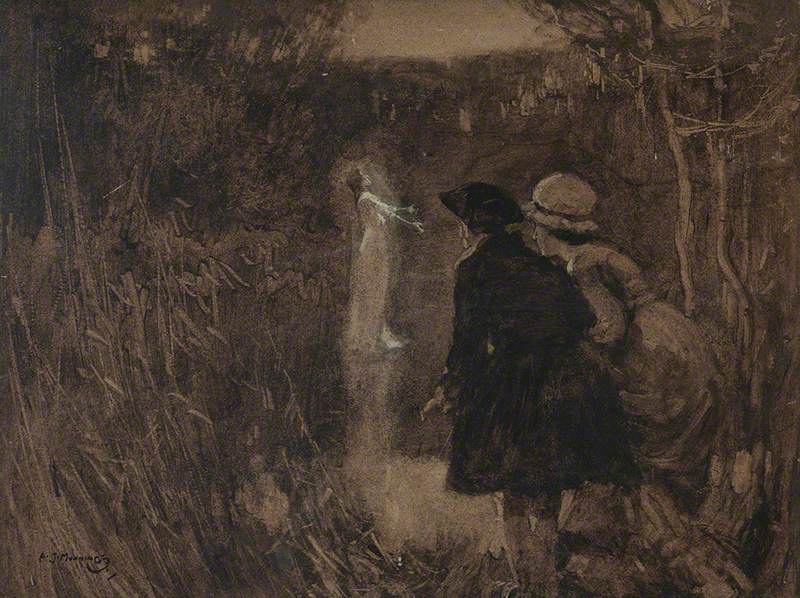
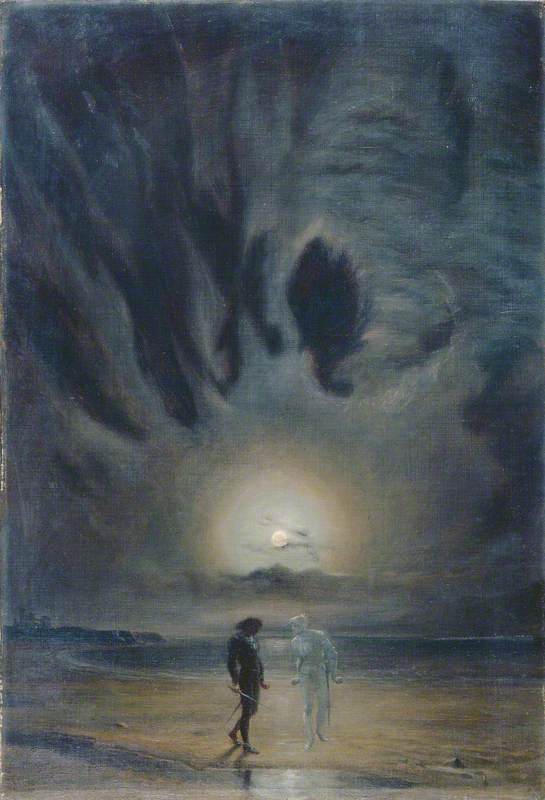
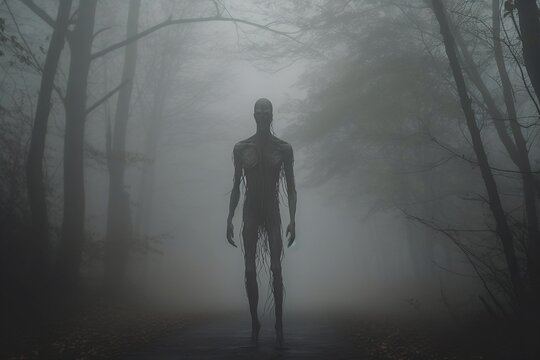
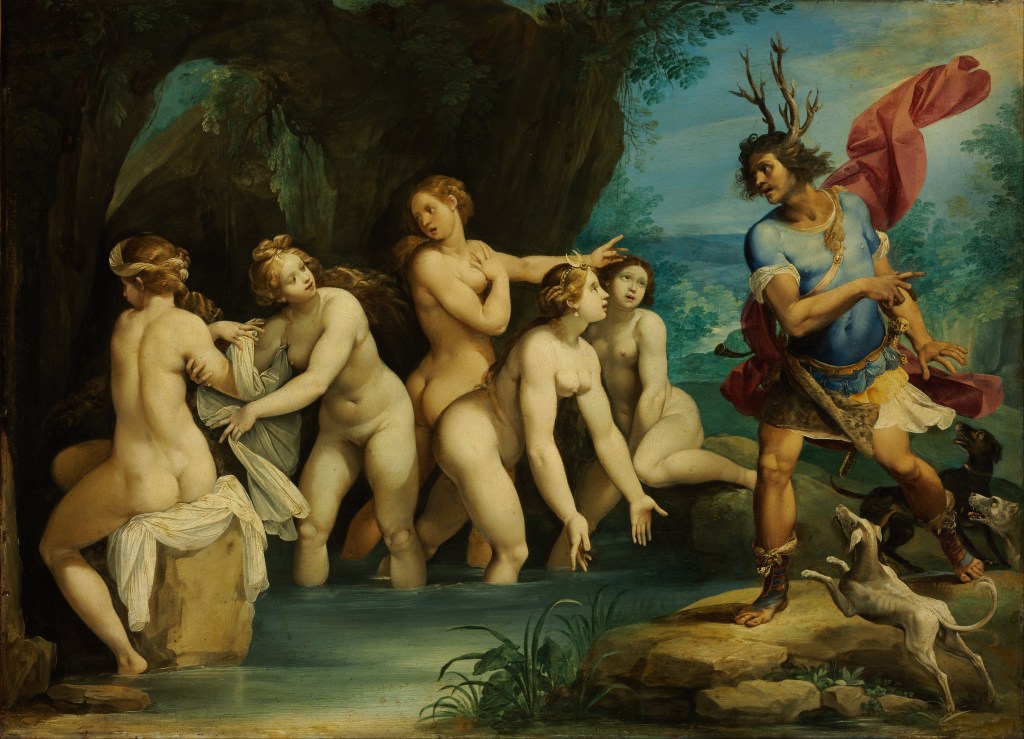
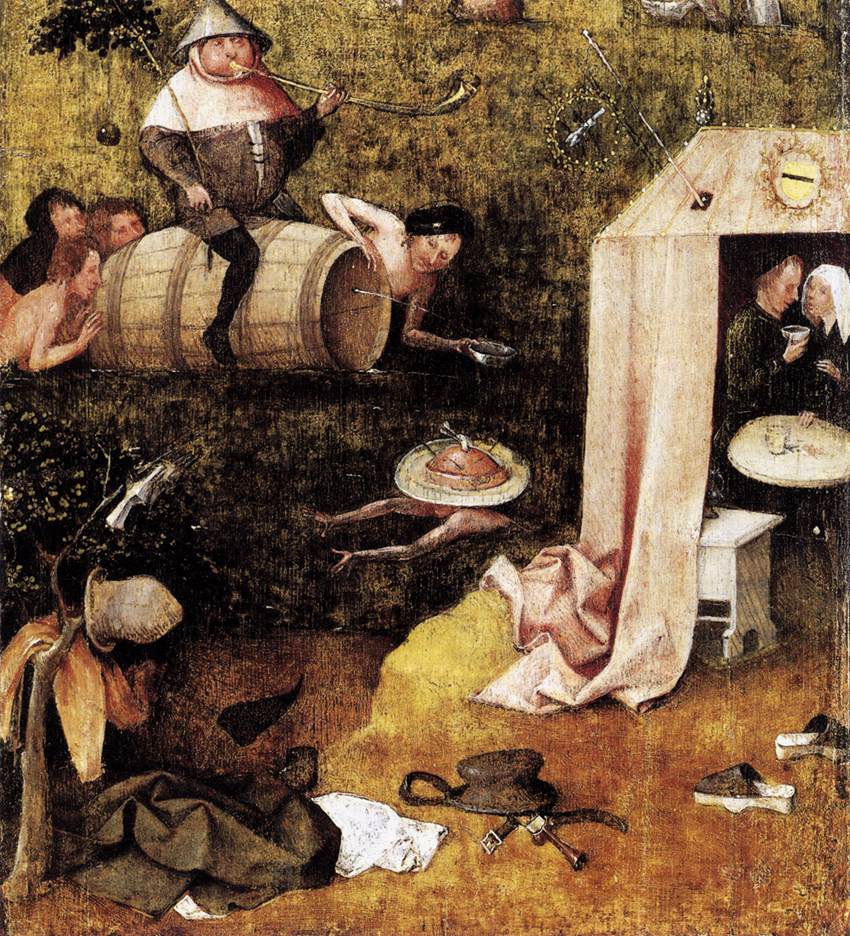
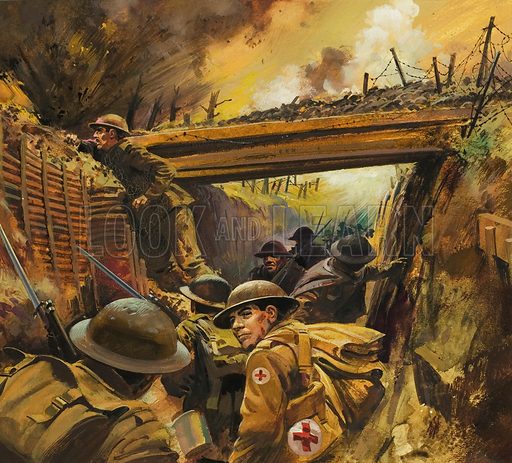
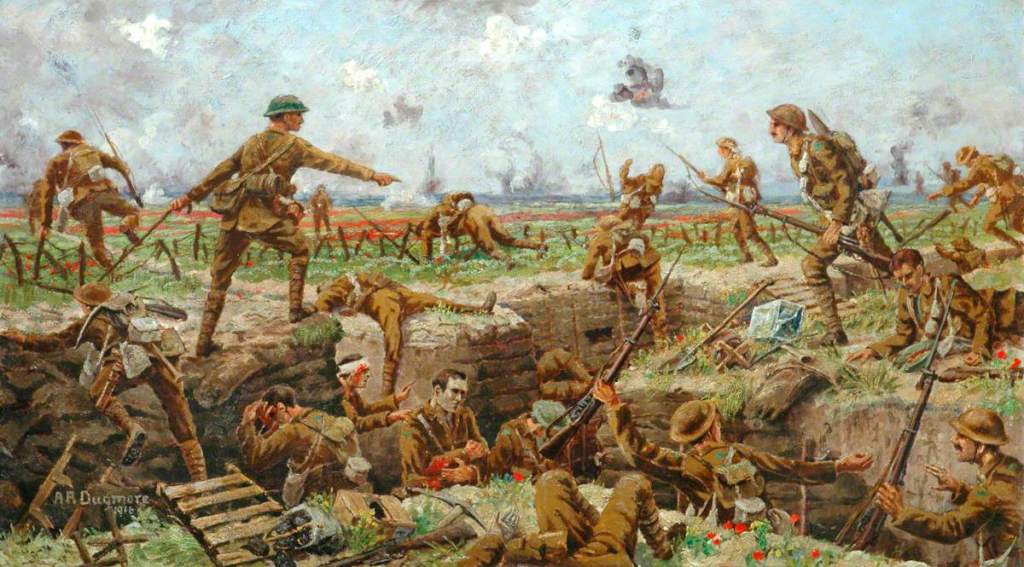
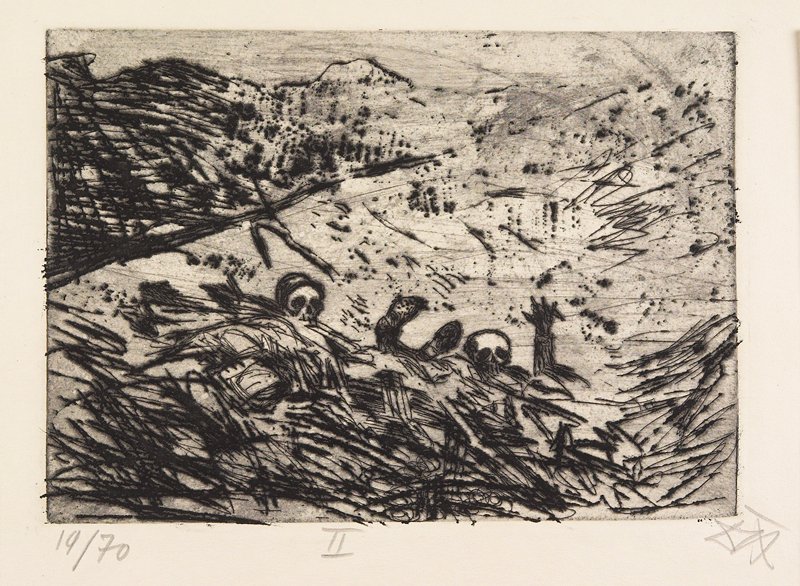
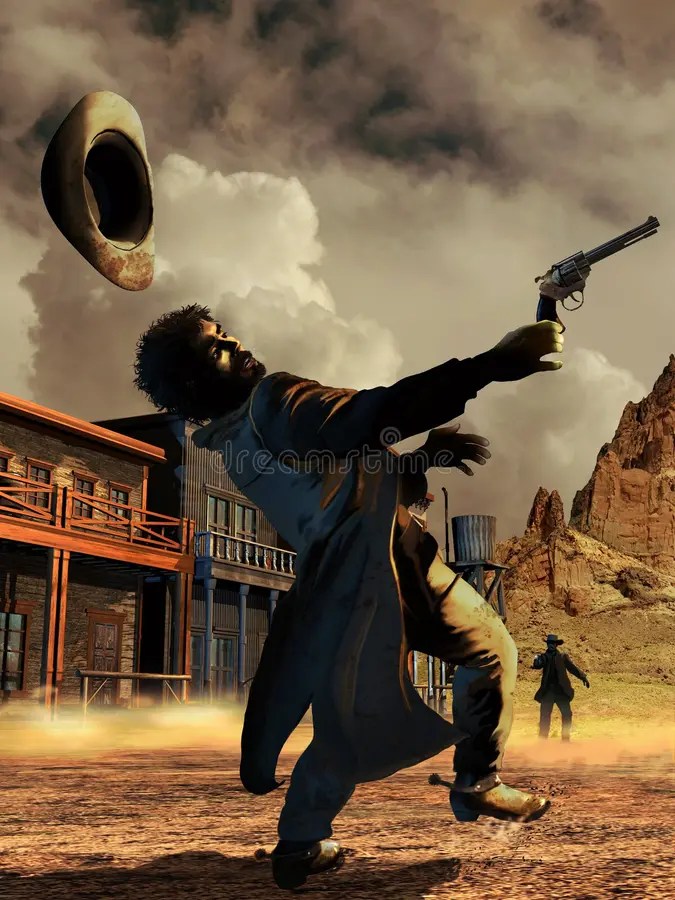
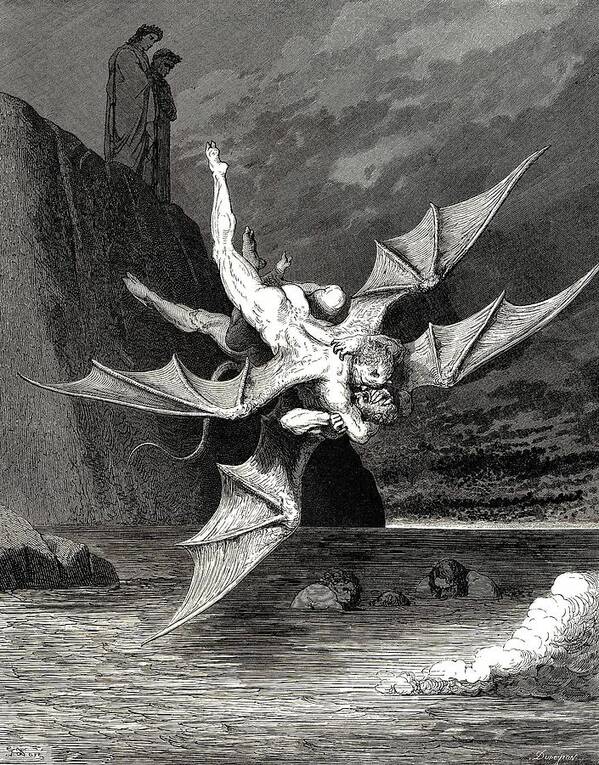
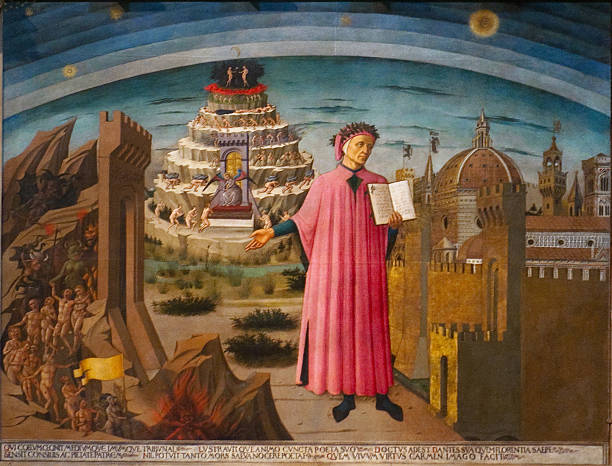
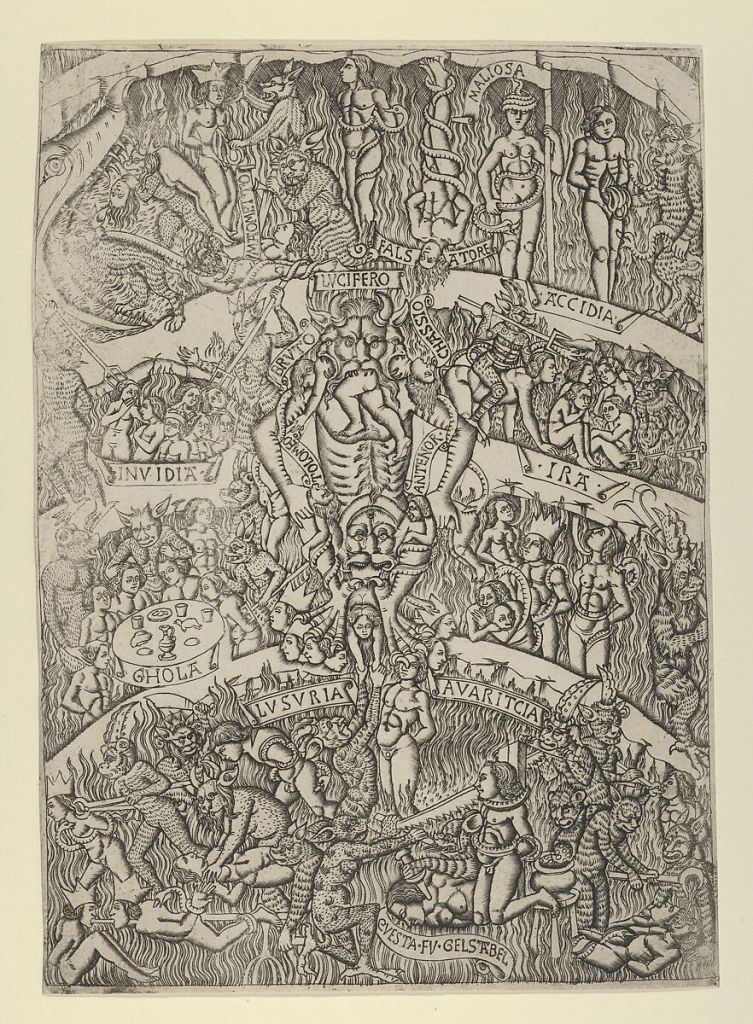



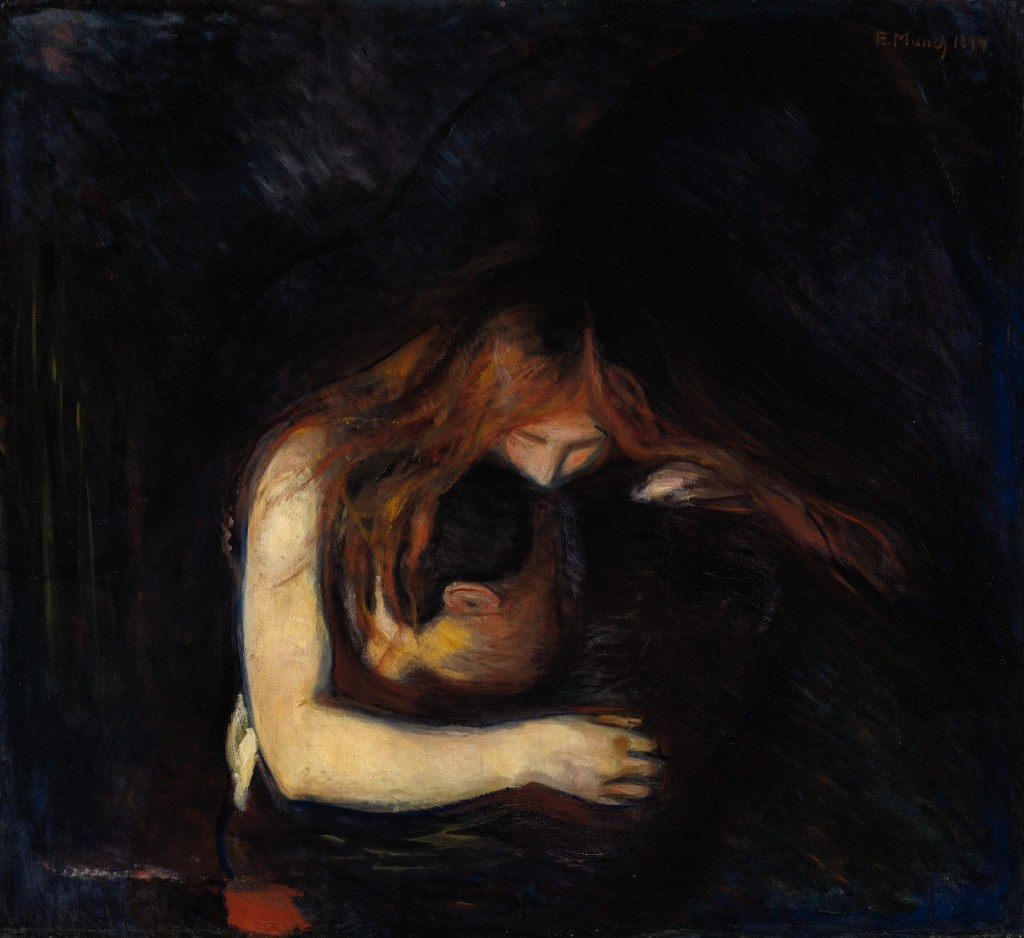
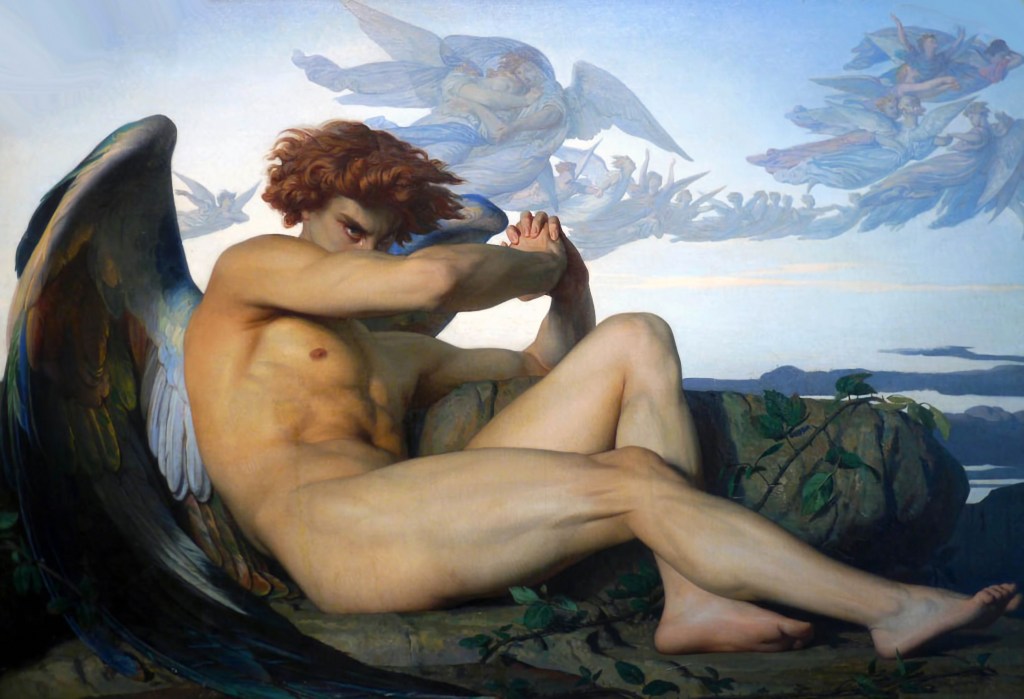
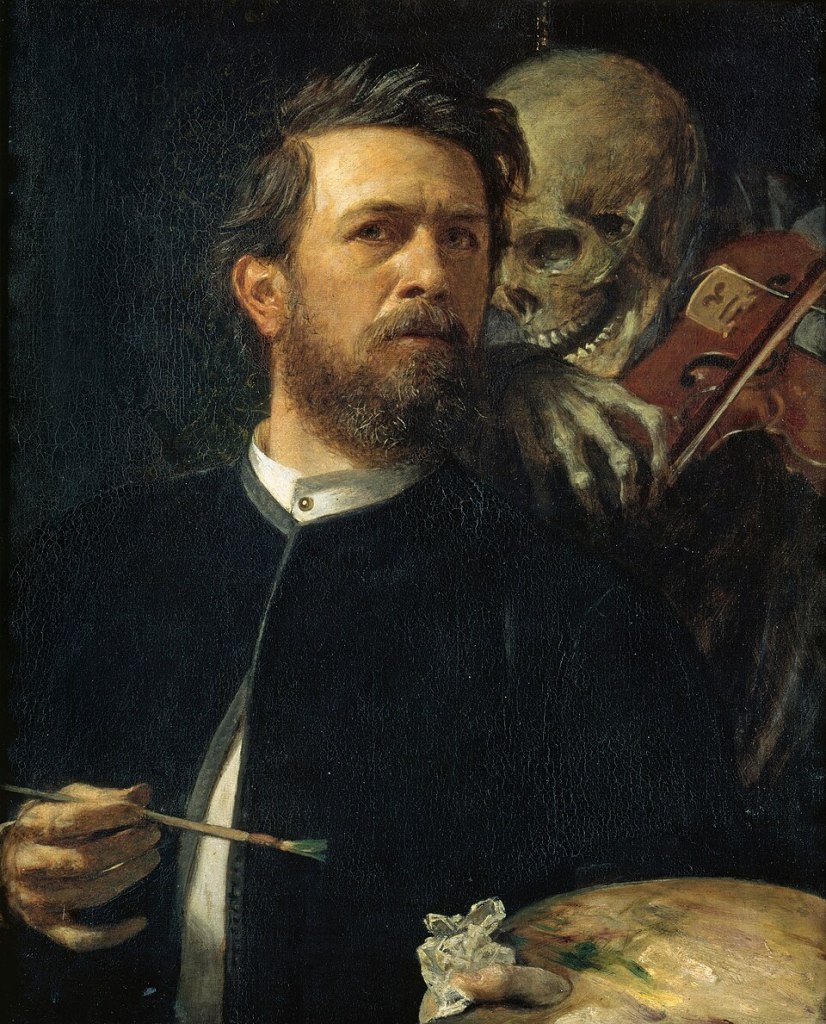
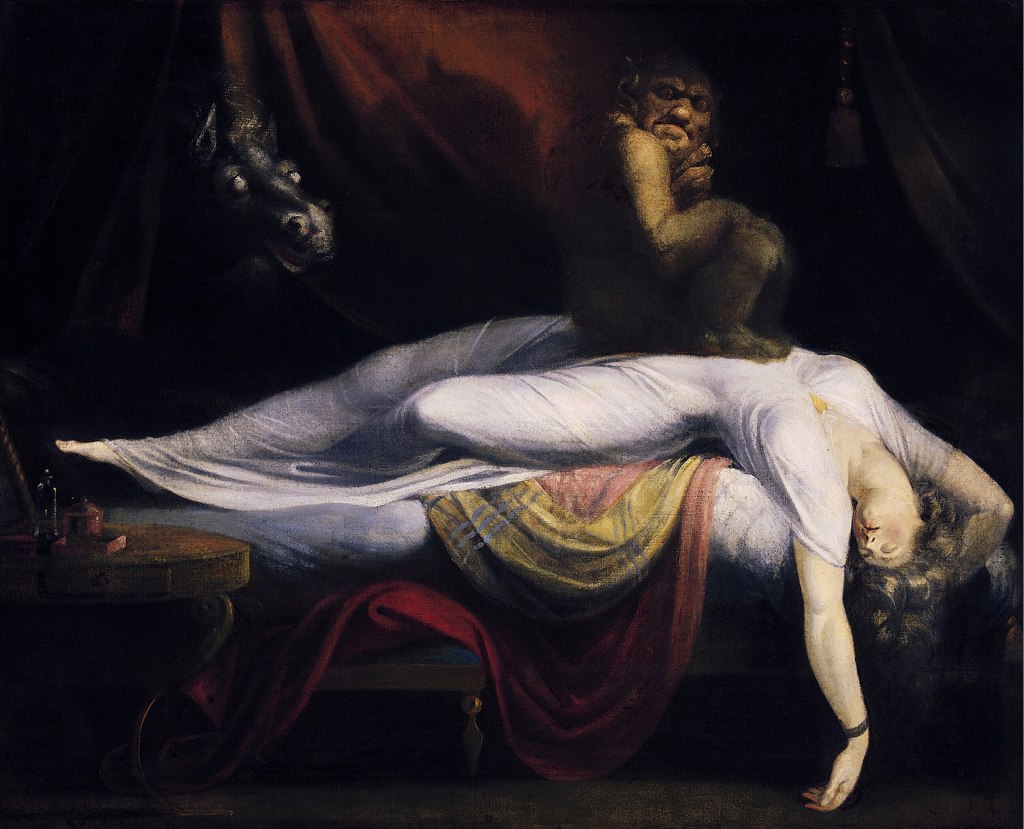
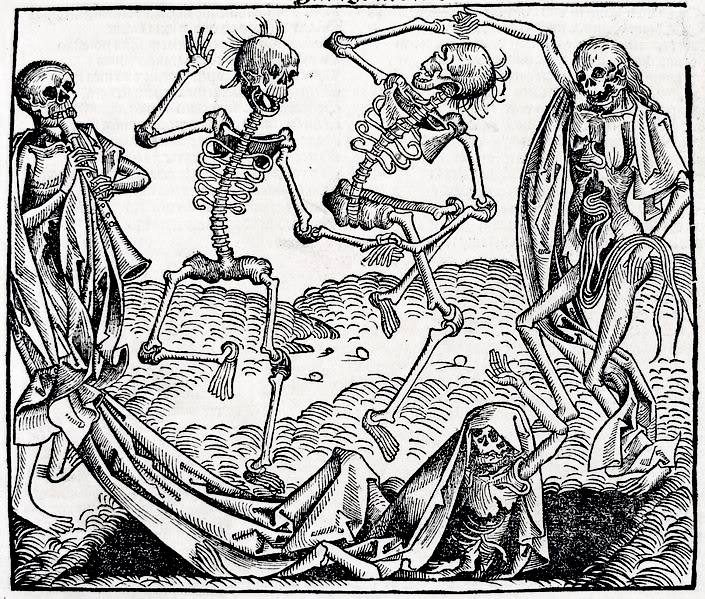
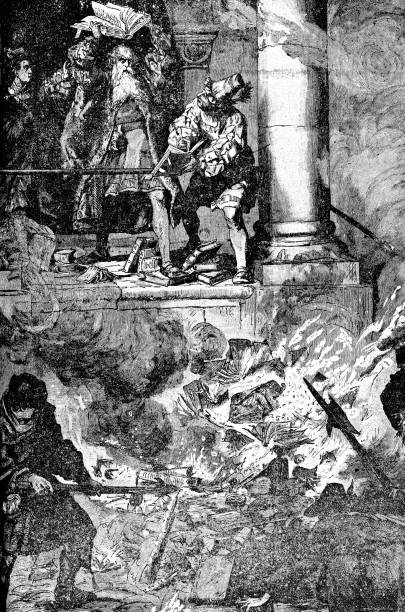
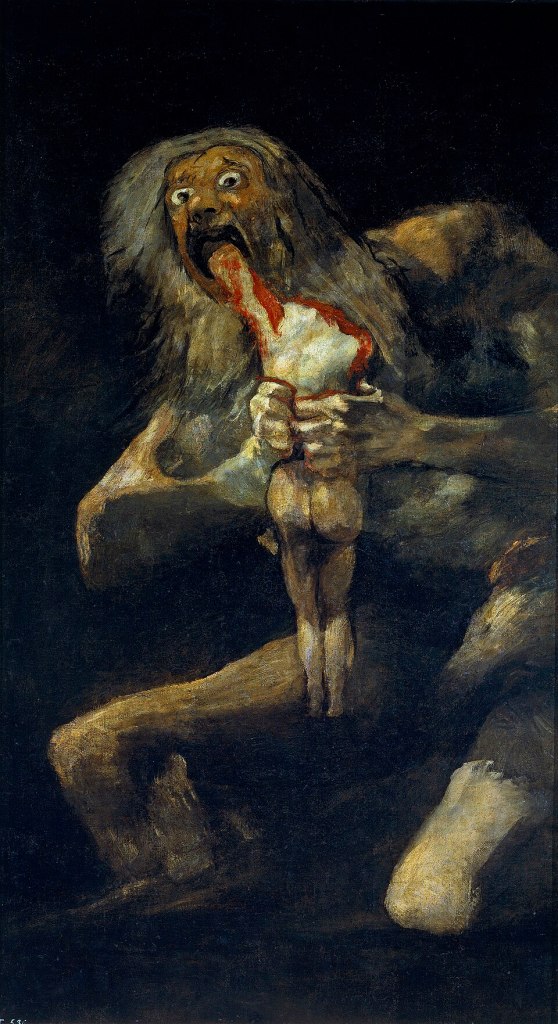

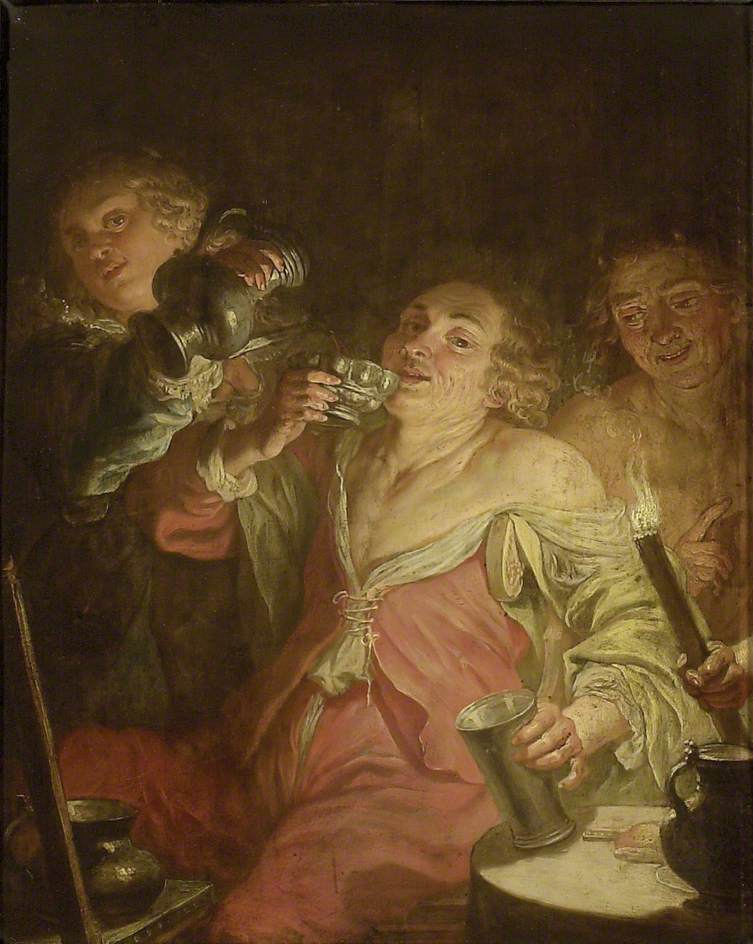

 Pablo Lacalle Writing