Tag: fiction

  • Dear Vincent

    Dear Vincent

    Dear Vincent,

    You will not remember me, for in truth we never met. The first time you came to my attention was on my bedroom floor. I was seven years old, kicking my feet in lazy trails in the air, reading a grubby comic-book. I soon grew bored and started flicking between the nearby bookshelves in search of something to gnaw away the sluggish evening hours. There our paths crossed. A glossy picture-book tumbled, without pomp or circumstance, at my feet, your name looping on the cover in a gilded scrawl.  

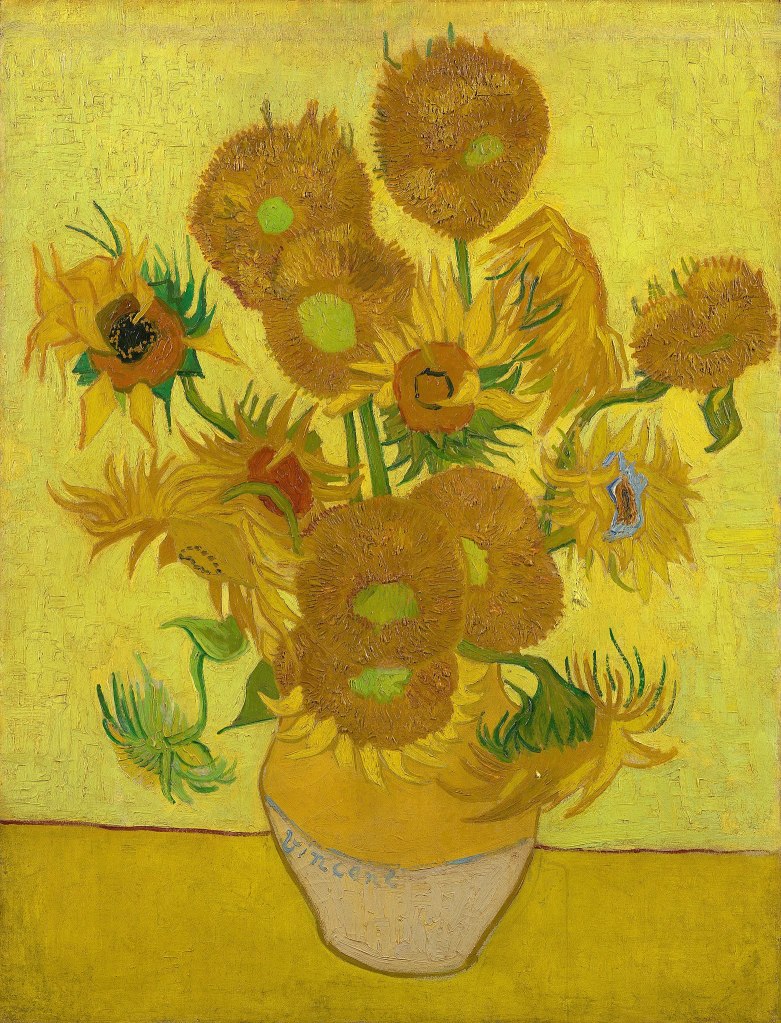
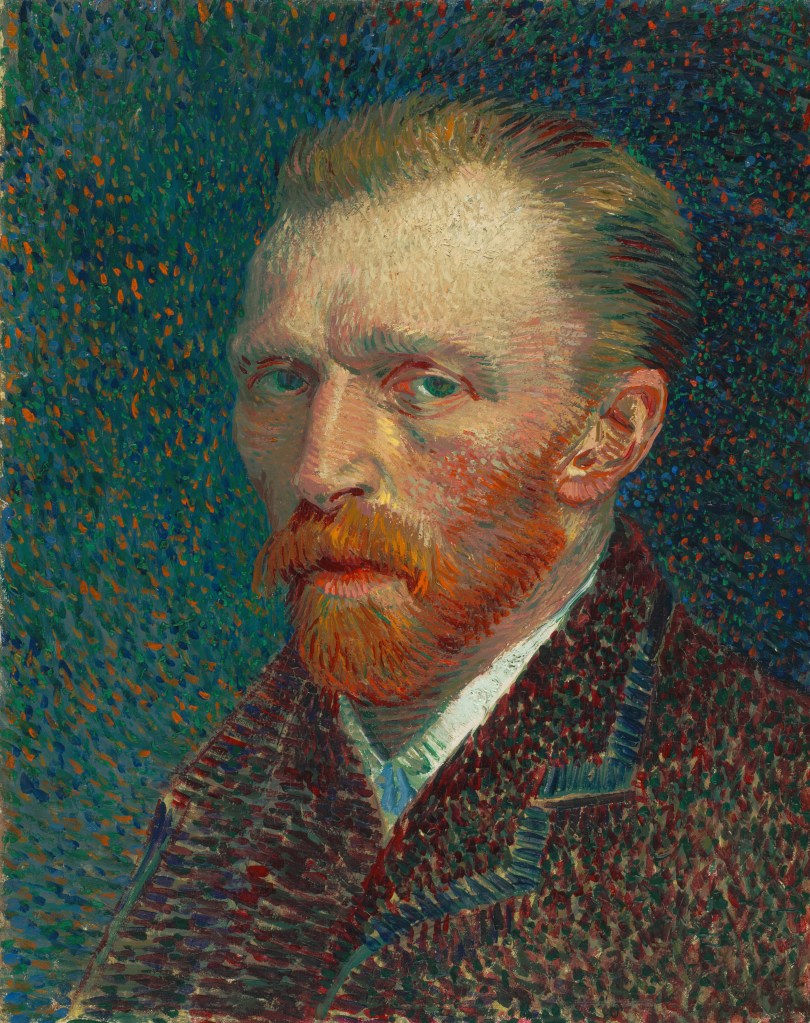
    What a curious sight. Your scarecrow frame, flaring with rust-red hair, a hat of battered straw perched on a head framed by hills of rolling gold. On every page, sunflowers, through which strolled that gangly stranger, brushes tucked under an arm. A cotton-candy tale of an eccentric, impish fellow tottering around rustic towns and gas-lit bistros to draw his pretty pictures. A dabbler of strange arts capable of transforming a rigid canvas into an explosion of sensation. Hey presto: the master illusionist guiding streams of colour to dance like puppets to the beat of human hearts.                                   
    The second time you stumbled into my life was on a door at my grandmother’s house; a ramshackle little cottage tucked away in a Spanish town so insignificant it’s a wonder it managed to earn its way onto any map. There, within the room where my brothers and I would spend our nights, hung a poster of a single wicker chair, a gnarled pipe discarded atop it.

     It stuns me to think how an image so simple could speak in a voice that bellowed. What warmth, what brilliance in a common piece of furniture, that nevertheless begged a thousand questions to a thousand unfinished stories. Was it your favourite chair? How many days did you sit atop it, wicker frame buckling under your weight, as you puffed tobacco, teeth gnawing away at the root? Maybe nursing thoughts of returning to your studio, to do whatever artists do in secret. The mind of a child saw you concocting bright potions in whorls of oil and water. Something out of The Sword in The Stone, all moons, stars and jets of rainbow smoke, scratching at your beard pensively as the alchemy of painting turned a potted plant into a burning sun.

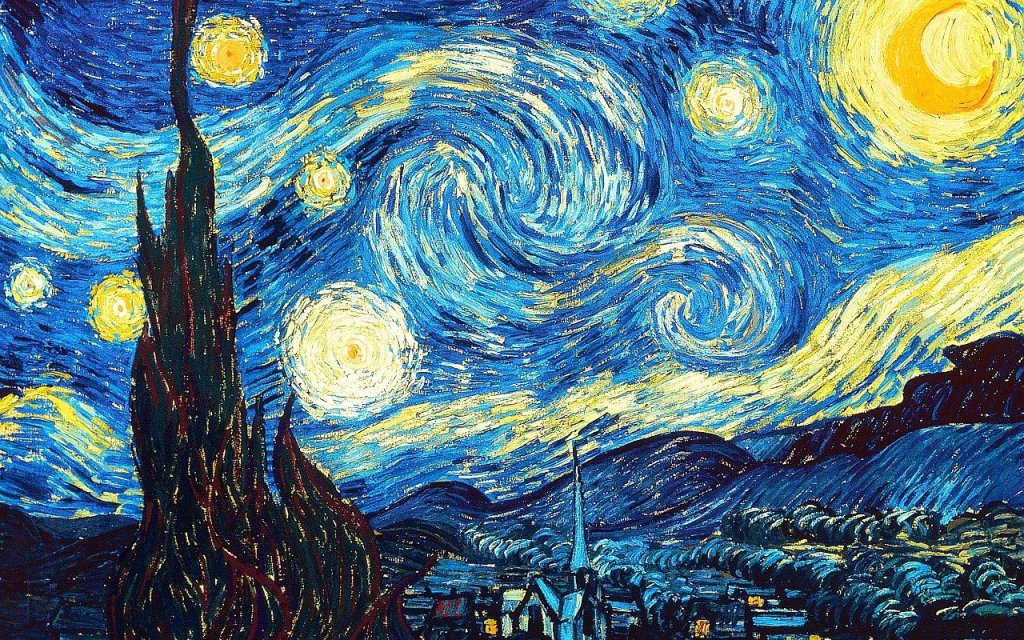
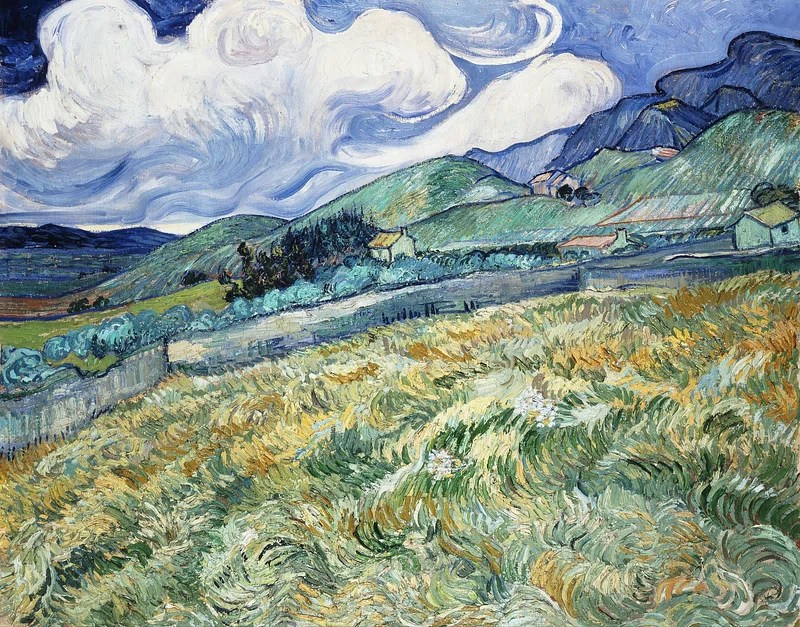
     As night fell, the gap beneath my bed vomited up hosts of scarlet-eyed fiends itching to grasp the chicken-bone ankles of a frightened child. I would stare at that little chair, etched now in the silver of midnight, and turn my thoughts away from nightmares. Away, towards that lanky stranger, his ghost imprinted on a makeshift throne. How hard not to think of that image from the picture-book. The trees, sable towers rising to dip into a sky churning with azure waves, dotted with crackling orbs. A vision that stripped the gloom from the world to varnish it with a fresh coat of the sublime. Was that how you gazed at our Earth? How boring my surroundings were in comparison. Stiff and stilted, devoid of the light fantastic that coursed through your fingers and spun a sunrise into a kaleidoscope.
     Oh, Vincent, if I had only known then, I would have cursed myself as I daydreamed of your placid life! I learned of your suffering with a heavy heart. They became impossible to ignore: the screaming evenings of a year’s exile in the bleached halls of a mental ward, the bitter smoke of gunfire ravaging your stomach. We take death to reach a star, you said. When I look back, it makes no sense. I do not think you could have meant such a thing. An exile to the wintry shards of a distant star is nothing compared to the rough, hot arms of a brother who gave enough love to serve both of you. I should know. I am lucky enough to have two brothers, where you only had one.

    Who hasn’t seen your portrait? A head swaddled in greasy bandages, hollow cheeks carved up with bones like a razor’s edges. Those eyes, Vincent. I could not believe those bullet holes once coated their bristles in sunlight. I heard the story of how you wrenched your ear from your head so many times that it seemed more like an old fairy-tale, than the mark of a man tore his soul from the bone in bloodied strips.                                                          

    I won’t dare to claim to have suffered as you suffered, but trust me Vincent, that I know what it is like to sit and weep as eternity’s gates stretch out into the distance. I have felt fear’s knife make mincemeat of my guts, the terror of standing on a weathered rock amid a raging sea, thinking yourself alone and unloved. Clinging only to the hope that hurling yourself into the brine might finally silence the crashing waves. Yet Vincent, I have envied you, for what could a novice hope to understand of a man who said more with one colour, than I ever could with all my streams of purple prose?The scribbles of a boy still puzzling out what it means to be a man might mean little to you. But nevertheless Vincent, know you are not alone. Never were alone. I have carried you with me ever since that first evening your image caught my eye.

    You live on, as I listen to an ocean lullaby, sitting on the beach thinking of the sapphire tongues of starry nights.

     I glimpsed you when I glanced out the car window, barley flashing by in fiery sheets. You strolled behind me over bridges arched above the Seine as boats floated underneath to the lazy song of a wheezing accordion.                                                                     

    I saw you, as I leaned against a stone with my dog panting at my feet, watching birds dance their swooping courtships over Spanish plains. And, you will not remember, but you joined me on the railings in Bilbao, to look into a river studded with gemstone lights and realize that we would find a way, somehow.

    You were there Vincent, in the Toledo sky as the day bled in the pink and orange pangs of unrequited love. You were there, sitting by the road as a bus trundled past La Mancha, straw hat pulled down low as you slept. Standard-bearer for the impossible dream, tilting at windmills with a lance carved from the wood of a paintbrush. And you were there, legs crossed, watching me sleep, all those nights ago.

    I am, by nature, a dreamer and an idiot-it is funny how often the two go hand in hand. So, as my eyelids shut again, permit me one last fantasy, Vincent. It is the least that I can do. I have weathered the storms that battered me, kept afloat by the spark that died with men like you. So, let me use it, If I can, to build you a final resting place in remembrance. A eulogy to innocence of a kid who hoped for magic, where there had only been a man. A child’s dream, perfect and preserved in a clear glass marble. 

    Before I sleep, I imagine a plot of land in France. Corn sways in the wind, yellow stalks arranged in blonde cascades. Swallows chirp to themselves, thatched beneath green firs. A cottage sits in the middle of the cornfield. On the porch, cradled in a creaking rocking-chair, sleeps an old man. His hair is cotton-white instead of russet, his beard soft and downy. Oil-stained fingers are weathered and lined now, folded over a stomach which bears no bloodstained mark of a pistol shot. Just a few flecks of paint, maybe the smudges of a midday meal. A pipe sends blue wisps of smoke to mingle with the tawny sky. No gory bandage marks the old man’s cheeks. His face, ripened with age, is tanned by the suns of Tahiti, from a visit to a dear friend.

    There is a small table on the porch. On it, a glass of wine and an open bottle, half-finished. Theo stopped by for drink this morning and came with a surprise. A small gift, a silly thing really. Beside the wine sits a Dutch vase, freshly filled with water. Its contents stand to attention as they follow the dusk. Sunflowers, of course.

     The old man twitches in his sleep, snores. On his lips, a smile.

    Thank you, Vincent. I hope you are at peace.
    The End
  • Libera Nos

    Libera Nos

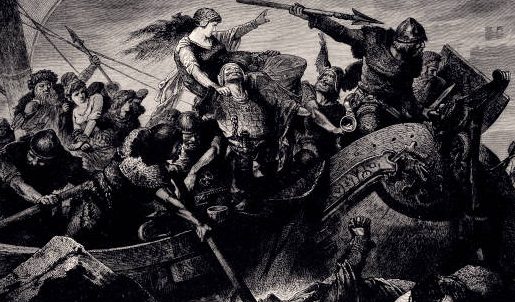
    A furore Normannorum libera nos, Domine.’

    Deliver us, oh Lord, from the fury of the Northmen.

    Feel the snow drift between the pine-needles, silken on the spear-thicket green. It brushes against weathered cheeks, moths with frosted wings that crumble into sweet-tasting tears of winter. They say the Fenris wolf was bound with twine, woven from impossible things. The breath of a fish; the spit of a bird; the tread of a cat.

    The roots of a mountain – can you hear them?

    They have faded. Swallowed up by the clatter of iron, the roar of the smith’s sparks scattering from the forge, the tolling bells from cattle moving in rivers of hoof and horn. Men squat by their doors and play dice. Their speech has grown gruel thin. It is full of the counting of silver and stinks of dreams left as an offering to mold.

    Stop. Can you hear them?

    They run under your feet. Mark the creeping lines as you trace the pale green that whispers beneath the skin. Feel the rhythm: boots stamping in the cold, steel hammering at flint. The fire quickens and draws in, out, hungry for the wind. The roots have seeped into the bones of the earth, echoes of bards’ tongues, mead-rich, which spoke of subtle things. 

    Close your eyes and imagine nothing. The frost is a girdle of blue iron, needling the flesh. Understand: there never was nothing. The world was birthed from the void, whilst the stars were hailstones, the hard black eyes of a withered man. Life was quickened with Surt’s ragged panting as he crafted a sword from the white ore of creation.

    Know it to be true. Have you not breathed down the neck of your beloved, and felt their heart race? Have you not snatched that breath, left them a shell of hollow clay? One can only destroy what was made. At the last twilight, that blade birthed from the sun’s rage will scour this middle-earth. I once heard a story that sounded the same from the men who carry God on their tongues in a wafer of bread. They are eager for the flames.

    The breath of this world has grown ragged. Wheezing, rasping, a grandmother on her deathbed, soul hanging in the air as pale mist. The old songs lose their strength. Quivering on sinews, strings of gut and cord, calling still. A mother stumbles through the forest, yelling for her boy. The night swallows up her grief and grows fat. They found the child’s body carved into a block of ice in the morning. His lungs were black where midnight claimed him. He died a swordless death and will endure an eternity without warmth, the prize of half-rotted Hela. I told this to the shaven man. He drinks the blood of a carpenter and a king from a wooden cup that smells of grapes.

    He laughed. No. Hel is for the wicked. The boy is in a better place now.

    The mother’s screams are echoed by the fathom-deep wail of the water. Can you see it? The waves spitting seafoam as Jörmungandr writhes. The hordes of ocean fury, swift as gulls, break on the shore. Once, I rode on the back of a dragon, cloaked in rings of iron. We flew across mountains of black glass that raged in concert with the wind. I stopped by the docks in my old age. All the dragons were gone– in their place, wooden barrels with painted heads. The work of a sorcerer. The shaven man speaks of a soothsayer who turned a rod into a snake. Such changes are possible. Now, a sea-serpent becomes a case of timber, bobbing in the harbor. It has been long since I gazed upon that water, since I walked along its beaches.

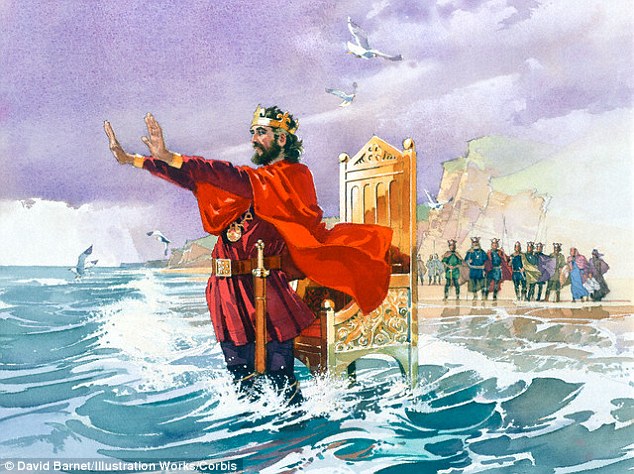
    Three winters past, a mighty ruler came to the shore. His robes of crimson faded as the salt sucked at the dye. He wore the sun, hammered out into a band around his head. Sitting upon a wooden chair, he said:

    Stop, Ocean, for your king commands you.

    Nothing stopped. And he was happy.

    Did you see him?

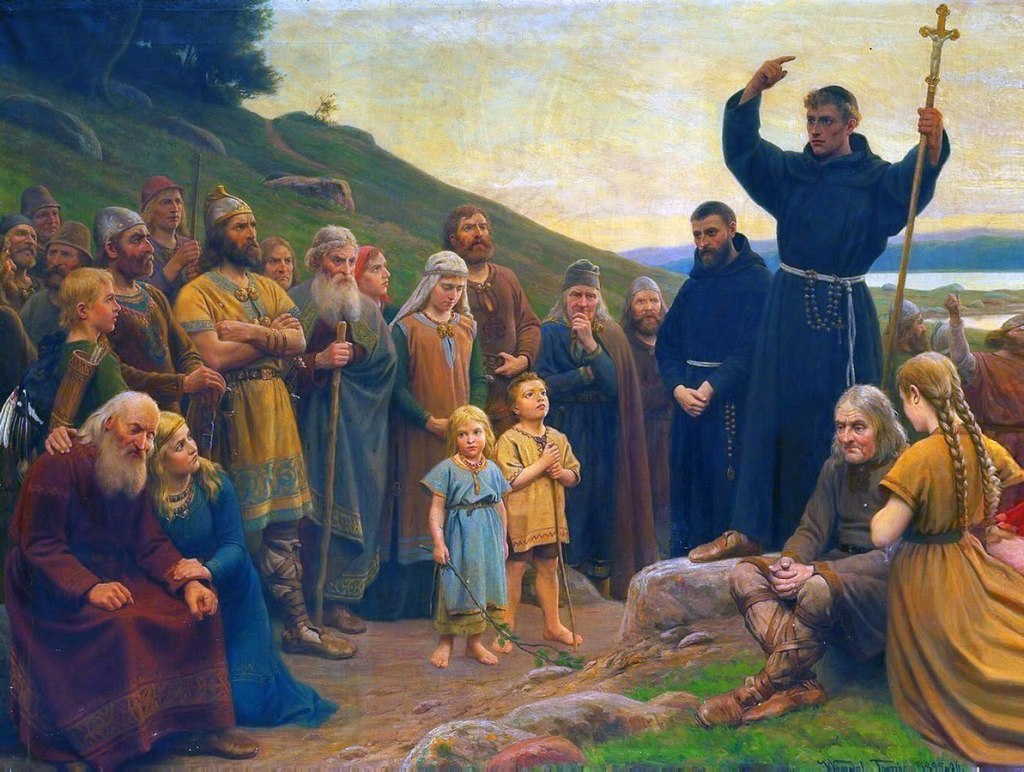
    The snow is thicker here. It cushions the hooves of horses. Their breath is steam, feeble in the air like a promise of first love. The brothers with the dirt-brown robes have cut down the rows of ash and elm, the weathered faces of spirits long forgotten. A horn rings out. Warriors returning? No. The groan of a great oak crashing to the forest floor. They build strange new homes out of their husks and place a man inside.

    Have you seen the statues on the walls? Smooth, rose things. Sanded down to the grain. There is love there, when you touch them. I looked into the face of my newborn and felt a comfort like this. I did not find it in the eyes of my father.

    There is pain here. The barbed touch of a strange crown spiked with thorns. It is different from the jutting stone, sword-tips that form the Aesir. The one-eyed Allfather. The Thunderer. Fertile Frigg, swift-footed Ullr. Wolf gods; raven gods; goat gods. They will die someday, at the last battle. Why? The slain that drink beneath the golden shields of the Hall of Heroes, they fight, they fall, they live again. In my youth, a spear took me through the leg. A healer poured boiling wine and maggots on me, to be renewed. The wound wept; my blood was wine.

    Ah. I think I understand.

    I do not think I want to come back. My fighting days are done. The winter is in me, even when the thaw comes. The wet aches in my bones. My leg drags; I stumble. I fear the bed-death. Only the wicked go to Hel, he said. Have I been wicked?

    My son killed his first man four moons ago, for stealing sheep. I buried the body. I am no stranger to slaughter-dealing. My son is different now; I no longer know him. I studied the corpse he made. It shall lie in the dark loam and become a feast. The grubs will gorge and mate. Their eggs hatch, mayfly lives, die, born again, die, return. Is this Valhalla? The roof and walls of its mead-hall thatched with yellow ribs and rotting guts, an empty flesh-chest. Inside, the worms are ravenous. They will devour each other with no end, until the Doom of the World. It is all they will ever do or ever will be.

    It is damp. It is cold. No woman heats my bed anymore. She died; the sickness took her. I wake up sobbing clear pus.

    Where is the fire that can warm me again? Where is the face of my father?

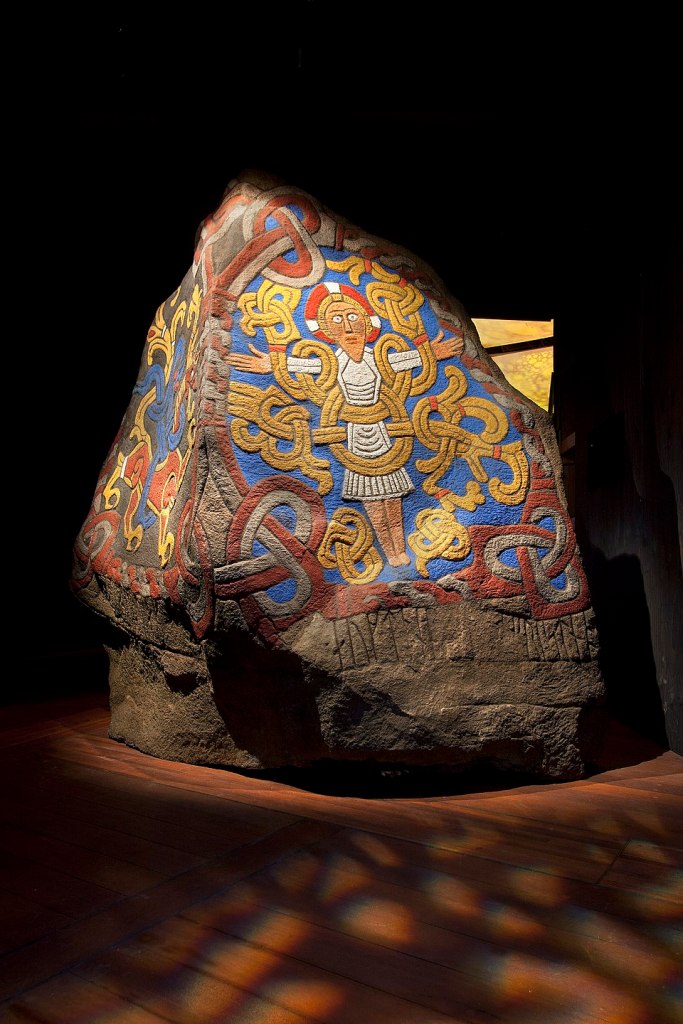
    The man on the walls is hurt. They have wrought some grievous wound on him.


    The End

  • A Song for Laika

    A Song for Laika

    A while ago, as we stood outside the terrace of a bar in Madrid, a friend asked me suddenly: out of all of God’s creatures who ever lived or walked this earth, which do you pity most? My answer, spoken over an overpriced cocktail, ice-cubes melting in the dry Spanish night, was a Russian mongrel terrier. Her name was Laika, and I was not lying. Scoff at me all you like (he certainly did) but I will not budge. My heart goes out to the sad creature plucked from the streets of Moscow and sent to a cold grave in a steel coffin, tracing lazy circles around the globe.

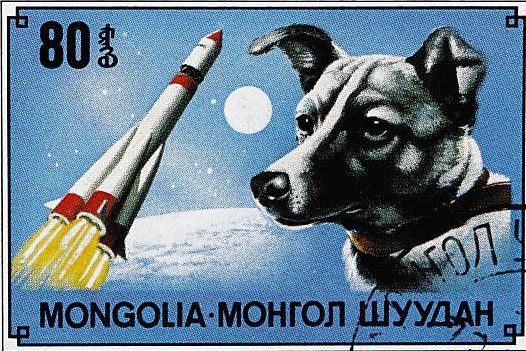
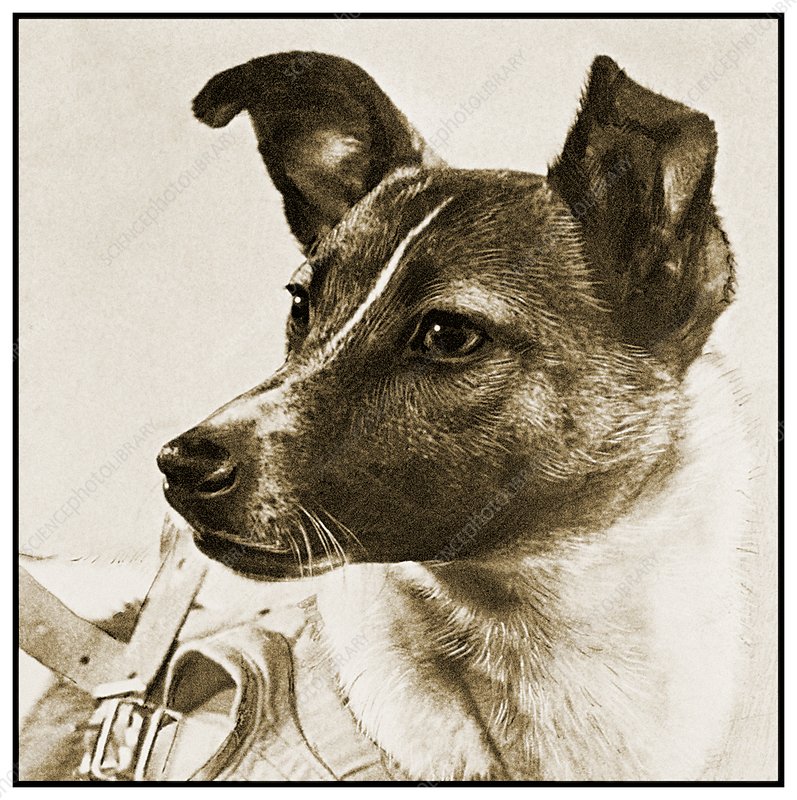
    I have seen the postcards, cartoons, the granulated photographs. A little white-and-brown face, ears bent at the tips like the folded corners of a book’s pages. Her head, cocked with an air of playful inquisitiveness, mouth hanging open, moments before she was sent to die, alone and scared. Barely clinging to the memory of the human touch she had dreamed of, in fitful snatches, as she rooted through greasy dustbins on Muscovite streets speckled with frost.

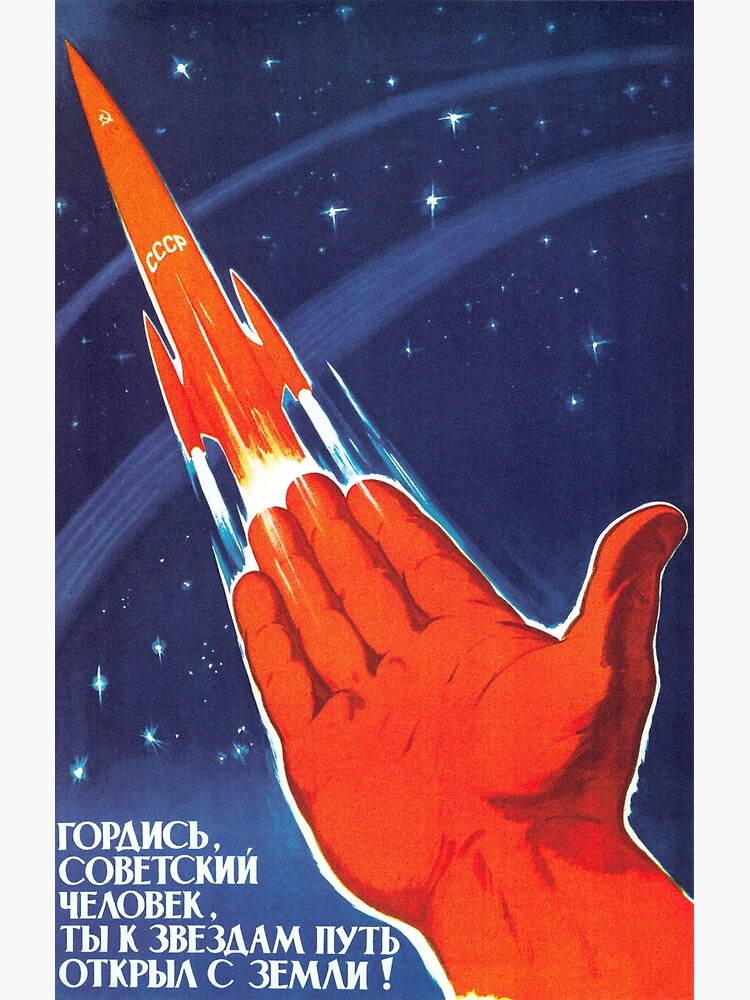
    How proud she looked, unsung canine hero that paved the way for us shambling apes to plant our flagpoles on lunar sand and tighten a girdle around the cosmos.

    What a sin for us to live with, that we watched as man’s best friend lay belly-up before our path to please us, then pressed our boots upon her furry stomach to step towards the heavens. Yet even then, she would have still trotted at our heels, tail vibrating, wet nose nudging at our thighs. Staring with round, black marbles, portals to love, unconditional and infinite, that we do not know how to understand, or how to give.

    No number of statues cast in bronze and emblazoned with trite slogans can do you justice. For all its shining pallor as it strikes the sun, metal does not have a heart as bright as the one (barely the size of a hand) that beat within your breast as solitary days with nothing but hunger for company gave way to a world of engineers, doctors and cosmonauts fussing over your every move. Showering you with precious names, so unlike the curses and kicks a street-dog would learn. Mutt and beast became Kudryavka, meaning ‘little curly,’ for your snail-shell tail, Zhuchka: ‘little bug’, squashed by human indifference. So many new friends! A world of play and touch as alien to you as the distant suns where you would pass your final moments. As rough and calloused hands stroked your fur, I wonder if you felt safe for once. If you stored beneath your fragile, shaggy chest, a kernel of affection to keep you warm.

    A scientist took you to his home, to be with his children, as the clock shaved away the minutes before your life was snuffed out. Scampering to and fro, barking with excitement to the squeals and giggles of little ones that showered you with kisses, rolling on the floor and squirming, legs kicking in satisfaction as stubby fingers scratched away your itches. Curling up, nose pressed against the scent of a family and a home, rocked to sleep by the slow rise and fall of a human’s lap as he breathed.

    A brief memory of what should have been, before the terror of tight, sharp metal confines and the bellowing of rocket fuel. The engines, screeching whirlwind of pure fear, overpowering every animal instinct with their heaving, juddering, rattling steel. Belching out their bitter kerosene, hurtling you away from the figures you had worshipped with the tenderness of paw-prints scratching at a trouser-leg, into the lifeless waste.

    I can see your breath fogging the grimy windows of your shuttle, as you saw what no other being before you ever had. Could you have possibly understood that the sapphire marble, speckled with shards of green, was not a tennis ball lying out of reach for you to gnaw at?

    I set the scene: by the light of the sun, within a silver capsule floating before the threshold of eternity, a four-legged friend watches. In her inkwell eyes she holds galaxies. She waits for when she will be let out of this tight, wintry box. Fitfully, her tail drums a beat against the iron walls, impatient for when she will return to hugs and praise and food. She sounds off one or two barks, calling out names known only to her. The answer is a mindless hum from the shuttle. Her pleas fade into echoes, choked in the satin sheets of space.

    With a low, whine of confusion, she slumps on the floor, a tired sigh puffing from her coal-black button nose.

    For the first time in aeons, the crackling quasars and solar winds are underscored by soft yelps and twitches as she chases sticks in her sleep. The dance of meteorites and stardust stops for a second, interrupted by the lapping of a pink tongue washing fur. The street-mutt does not know it. Could not know it.

    She is the loneliest creature in the Universe.

    In a better world, she would not have perished. I smile to myself as I daydream of the surface of the moon, a wreck bearing the faded letters CCCP nestled in a lunar crater. There, a little figure in a clunky spacesuit, glass dome on her head already misted over as she pants, sprints and jumps. She strides, mammoth leaps free from the confines of gravity, tongue flapping as she runs after the rabbit of Chang’e. The rings of Saturn are marked with pawprints as she chases her tail in an endless circle, and she sniffs the dusty trails of comets that remind her of the snow back home.

    Call it childish fantasies, mock their lack of substance. Better to dream of this, than think on the last moments of the world’s finest canine cosmonaut as she struggled to breathe. Her vision blackening as precious air ran out, the shuttle collapsing, shrieking like a fallen angel, plummeting back to Earth. Turning cherry-red then blinding white in the hellish furnace of re-entry, five measly kilograms of life scorched to ash, scattered to dot the rapids of the Milky Way. The wreck of the shuttle dissolving into a dart of light, until it is but another flaming trace in the sky to make a wish upon.

    When I hear the howls of your compatriots as they turn their snouts to the sky, I think they sing a song for you, Laika. A yowling cry in honour of the stray that sailed the winds of space. Their eulogy will keep you company, the way we never could.

    I step away from my desk as I write this, and leave my computer screen to pulsate, beckoning back to finish this tale. A pinned-up picture of my West Highland Terrier catches my eye, her face straining to break out of the photograph and onto my chest in a wet, snuffling heap. She would lick away my tears, salty treats brushed away by a sandpaper tongue. Laika, no-one was there to wipe away yours.

    It is 10:30 in the evening and night has snuck up on me outside the streets of Edinburgh. I look outside my window, ignoring the neon logo of a convenience store and the orange fuzz of streetlamps. Above Arthur’s Seat, a golden streak arcs across the heavens.

    In my mind’s eye, a shooting star becomes a dog, running into the waiting arms of her master.

    The End

    -First draft originally published at Student Journalism | The Broad Online | Edinburgh