Category: Historical Fiction

  • New Babylon

    New Babylon

    It was Tuesday on a sluggish June afternoon in 1956, and Samuel Cohn sat and smoked a cigarette, waiting for a dead man. Well, not truly deceased, yet dead in that peculiar fashion unique only to the clients that Mr. Cohn dealt with on a day-to-day basis.

    Samuel gave his watch a cursory glance and clicked his tongue softly. His right foot, squeezed into an oily Oxford wingtip, swung back and forth like a metronome. A daintily manicured finger sprinkled a fine rain of ash over an ashtray. His eyes trailed across the room apathetically, flickering now and then with smug condescension. Samuel was man who knew full well he would never grace such a backwater dive if he couldn’t help and was happy to remind people they’d do well to remember this.

    But Andy had insisted. It would be impolite to neglect the wishes of the recently departed.

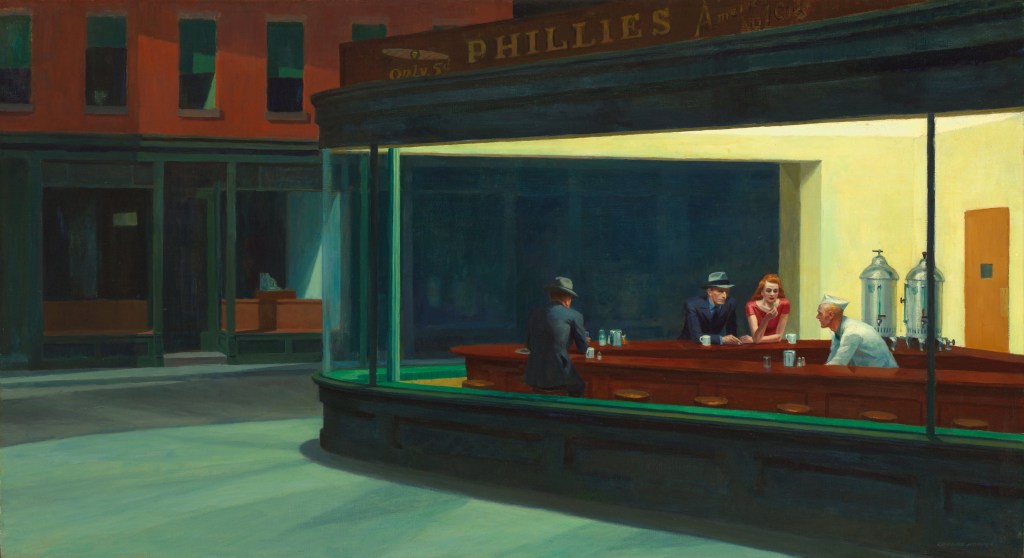
    Cohn sucked on his cigarette, its orange embers a beacon under the heavy fog of tobacco- smoke. A patina of sap had accumulated on the surface of the battered tables and floorboards, years of congealed booze, spit and sweat sucking hungrily at the soles of his shoes. The place Andy had chosen had the quaint name of New Babylon, a title undoubtedly chosen by a Greenwich entrepreneur trying to conjure what they must have figured was a chic atmosphere of hedonism. As far as that went, the most Cohn could see was the odd couple giggling by the restrooms (this was the Village after all). Apart from that, the dive was all but empty. A group of young black teens were clustered in a dimly lit corner, joking around as they slid pennies into the ailing jukebox.

    Cohn shifted nervously. It wasn’t that he disliked that kind of people, he’d managed a fair hand of coloured acts. He just preferred them more when they wore a nice suit and stood behind a microphone. He took a quick sip of his drink, making a face as the cheap whiskey crawled down to his stomach. After five minutes in a place like this, Cohn could feel the urge to peel his own skin off in sheets and run them under a tap. For God’s sake, he’d been having dinner at the Four Seasons a month ago……

    With a start, he noticed the figure of Andy Prescott, picking his way through the forest of spindly chairs and patrons. The miasma eventually coughed him out, and he hurriedly pulled aside a seat opposite Cohn. Samuel let smoke hiss from between his teeth. He’d been made to wait for ten more minutes than scheduled in this dump, and he wanted Prescott to feel every second twist by, tight as thumbscrews.

    Andy fidgeted in place. He’d been blessed with features that gave him a reassuringly handsome look of honesty, complete with cocoa-brown eyes and hair ripped straight from a magazine article on What Kind of Boy You Can Bring Home To Papa. Only the hints of a five-o-clock shadow and the puffy skin beneath his eyes betrayed him. That and the slight furrows in his cheeks. He’d lost weight since the last time they’d met.

    If his face told a story, his clothes could have been a feature-length picture. A tatty brown single-breasted suit cut with three buttons draped itself on Andy’s frame like dirty clothes strewn over a chair by the side of the bed. A threadbare tie with a hideous polka dot pattern completed the sorry image, vainly attempting to suggest that its wearer was disposed of a cheery personality. Death had not been kind to Andy Prescott. Time’s relentless assault had whittled his image down to something even Willy Loman would have been embarrassed to be seen in. Not that this deterred Andy in any way: backed by the seemingly endless supply of optimism God had cursed the man with, he’d contrived to act like his bankruptcy was just a day in the life of good ole Andy. Sitting opposite the man, Samuel felt like the first peasant to notice that the emperor had left his drawers at home. He held his tongue. There was a disturbingly frail air to Andy, the tentative silence of a morgue. Cohn had the feeling if he broke it, Andy would burst.

    “You’re late,” he said slowly, stubbing out his cigarette. Andy winced, scratching the back of his head.

    “Sorry about that Sam,” he said, trying for a smile.

    “It’s just-you know, no chauffeur or anything no more, I sort of lost track of time, and I still don’t know the subway that well or the Village-”

    “That’s alright Andy,” sighed Samuel. He ordered a drink from the fat black waiter that was ambling by. Andy needed it. “Some place you picked out for us.”

    Andy licked his lips, chuckling weakly. “I know it’s not like the usual joints Sam, but you know I’m not exactly a Rockefeller at the moment,” he joked, snatching the glass placed down in front of him. Samuel raised an eyebrow. It wasn’t the drinking that caught him off guard (Andy could outperform Dean Martin in that department) it was the slight change in Andy’s voice. A tinge of an old Polish accent had crept in towards the end of his sentence. Andy only slipped when he was very angry or very nervous. Hearing Andy’s New Jersey tones, meticulously polished from a childhood spent scrounging in the Ironbound sections of Newark, beginning to disintegrate worried Samuel a lot more than any ratty tie or poorly shaven chin.
    He’d always known Andy’s career was on the rocks. Samuel had watched Andnej Popowicz, shy Polish immigrant, transform into a suave swing sensation overnight. He’d supervised the radio shows, the concert hall performances, the Christmas specials, meticulously managed his marriage to a bubbly and beautiful Hollywood starlet with more breasts than sense (Cohn’s decision, one he had been quite proud of) dressed up his singing doll in crisp suits to croon ballads about young love and meetings by moonlight.

    But it was a flash in the pan-the disasters had lined up one behind the other, dominoes waiting to splatter Andy in rapid and terrible succession. First the ponies, then because Andy didn’t pick very fast horses, the exorbitant loans borrowed to afford a small palace on Fifth Avenue on the Upper East Side (that was what America was all about, Andy had insisted, as his ledger dripped with red ink) plus another for his ailing Babcia. Then the utter fiasco of a divorce from his wife, who had picked Andy clean and come back for second. Finally, there was just the simple, ugly fact that, though his music was passionate, loud, bombastic, Andy had just…. stagnated.

    His natural charisma was unable to prop up increasingly vapid albums (Swing Summers! New York Nights! The Sweet Sounds of Swing!) which had left Columbia records with a gaping lack of sales, and Samuel Cohn with a bitter hatred of alliteration. Andy hadn’t been as creative as Sinatra, with his obscene success on the silver screen and his record-breaking run with Capitol. Andy had cried during From Here to Eternity and whilst listening to In The Wee Small Hours, but for all his tears he’d replicated his idol’s success. The final nail in the coffin was his wild idea for a Hanukkah album. It was a popular holiday, wasn’t it, and surely there were enough Jews around to turn a profit? A Catholic Polack singing songs about dreidels and menorahs: the album had gone down about as well as the cardboard parachute. The critics had savaged it with the innate malice of a big cat lunging for the jugular. Samuel had cancelled every one of Andy’s subscriptions to the papers, but he’d found out anyway. The guy always had a natural talent for self-destruction.

    And now, all Andnej Popowicz had left was Andy Prescott, a name created only because Samuel had pointed out no Yank deserved to be exposed to that many letters at once. It wasn’t as if he was a stranger to new identities either: he himself had been born Sean Gallagher, a wee lad from the Emerald Isle. Then he’d stepped off that stinking boat onto Ellis Island and onto the shores of the promised land. And lo, the promised land had said unto him: JOBS WANTED: IRISH NEED NOT APPLY.

    So, Sean Kelly had become Samuel Cohn, after an old drinking friend of has told him it was the Jews that had all the money in this country. Yet over the years Samuel Cohn had grown to be far more real than Sean Kelly ever was, as had Andy Prescott. It was like how the fat glass diamonds in the movies seemed more valuable than the real article. But you had to work hard to keep the trick alive, like a fat man sucking in his stomach for a photograph. Andy was floundering, his ego flaking away under the ruthless onslaught of life’s current. And no matter how dead he was, if Andy Prescott fell back into being Andnej Protopowicz then there was truly no coming back.

    “Have another drink,” said Samuel, more an order than a suggestion. He signed for a fresh glass with a casual flick of his wrist. Andy ignored it however, swirling the amber contents of his cup and staring dead ahead.

    “I can’t keep going like this Sam,” he whispered. Samuel blinked. He had expected this meeting to descend into the usual histrionics of struggling, entitled talent. His early annoyance dissipated: this was dangerous territory. Samuel would never have considered himself a sentimentalist, but he certainly wouldn’t abide a suicide on his conscience.

    “There’s nothing to worry about Andy. You’ve just hit a bit of a bump on your career, that’s all, nothing that can be sorted out, I mean you’ve still got your voice, your looks, you’re a young fella, barely a day over thirty-”

    “Thirty-six,” corrected Andy glumly.

    Samuel hardly missed a beat. “-still in the prime of his life, that’s what I’ve always said, and trust me, we’ll look around, book a few gigs, maybe an army show, that always goes down well, a charity ball or two….” he was striking out wildly and he knew it. The charity balls were their best option, but the last thing Andy needed for his already ailing image was to be seen around rooms of geriatric old grandmas tossing their lace hankies on stage. But God’s sake, at least it paid

    “No, no Sam none of that,” said Andy firmly. “I won’t live out the rest of my days as a circus act, or, or some glorified gigolo.”

    “Yes, well the thing about the circus is,” sighed Samuel, “they make money. As do gigolos. Quite a bit more than you do now.”

    “I can tighten my belt a bit more Sam. I can’t afford another embarrassment just to snag a quick buck, you know how the critics are, they’re circling like sharks and if they so much as get a whiff of another Happy Happy Hanukkah situation….”

    Sam raised one hand to his temple. Andy was right. Christ Almighty, it would be a lifetime before he’d be able to turn to the reviews column of The New York Times without breaking into sweat.

    “So, what then, Andy?” It was becoming more difficult to keep the exasperation from his voice. “We make a bid for T.V? A surprise appearance on I Love Lucy?”

    Andy ignored the jibe. Samuel paused for breath then stopped altogether. There was a look of steely determination in the man’s eyes, a look suffused with grim, lean hunger, one that Samuel knew all too well. He had seen it in the gaze of a young man named Sean Kelly when he stepped off that boat all those years ago. Without noticing, Samuel realized he’d sat up straight.

    “What I need, is energy,” stressed Andy. The Polish burr had vanished. “Everything I do from now has be done with total confidence. At the slightest sign of weakness, they’ll bury me for good, hammer the nail down so far it’ll sink into the dirt. I can’t budge, not an inch, or it’ll be over like that!” snarled Andy, slamming his palm down onto the table. “Failure isn’t an option, Sam; I’ve tasted too much of that already and I’m ready to wash my mouth out. No corny stunts, no gimmicks, no pandering.”

    “Meaning……?”

    “Meaning no charity balls, no song and dance for the good old American boys, no TV dinner ads or detergent jingles.”

    “Well, that’s all well and good Andy,” Samuel conceded, “but you’re flat broke, and it sounds like whatever scheme you’re cooking up is worth a lot of cash. Dollars, Andy. Capital, fundusz, whatever you want to call it.”

    “Money doesn’t have to be an issue,” assured Andy, ignoring Samuel’s shocked burst of laughter. “I’ll sell the Chevy, I’ll pawn off the Rolex, whatever it takes, just to get me in that recording booth, just one more time, it’s all I’m asking for.”

    “You’re talking about a comeback? An honest-to-Gods comeback?” spluttered Samuel. He had expected Andy to beg for a loan or reveal another hellish chapter in his ongoing marital issues, but this? “Andy, buddy, I’m telling you this because of our history together. You’re almost forty and singing swing music, it’s just not gonna cut it.”

    “Sam,” said Andy firmly. “Have you noticed something ever?”

    Samuel’s brow creased. Andy smiled wanly. “We’ve been talking here for nearly thirty minutes, and not a single person has realized who I am.”

    It was obvious once he said it aloud. The usual whispers and shocked squeals that had accompanied Andy’s entrance into any public place, back in the Good Old Days, were absent. No rustling of fingers digging through handbags in search of handkerchiefs or grocery bills to be autographed, no turning heads creaking. He’d become so accustomed to that reliable, steady background noise whenever the two met that its silence was as disconcerting. Patrons around them were chatting, laughing and drinking, their eyes sliding through and past Andy as if he had been made from steam.

    Andy leaned forward. For someone who’d just pointed out how little the world cared for him, his face was aglow with the feverish excitement of a small child with a new toy.

    No one remembers me Sam,” he said. “No one here cares about the old, sad Andy Prescott with his dance albums for suburban moms and his sappy concert hall performances. Don’t you see what this means? We can start again, turn over a new leaf, we have a whole blank slate to work on!”

    Samuel made sure to maintain his usual air of tentative skepticism, but a smile was tugging at the edge of his lip.

    “So, assuming we do have this blank slate-not to mention we somehow find some actual money-” began Samuel with forced nonchalance, lighting another cigarette, “what would you, say, draw, for lack of a better word, on this blank slate?”

    Andy took a swig of his drink, smacking his lips appreciatively. “I’m thinking something for the younger crowd-”

    “Jesus Andy, I thought you said no gimmicks.”

    “No, no, not for kiddies, ugh, I’m talking something with some pep in its step, music people will want to dance to without worrying about slipping a disc,” continued Andy, his words unfurling with the aplomb of a magician revealing the card concealed in his sleeve.

    “I’ll still stick to swing, but we ditch the big band high-society stuff, bring in some jazz horns, some sloppy, dirty brass, a pianist that can play Sam, really play not tinkle out show-hall tunes, maybe even some backing vocals like you hear in those Beale Street records!” Andy was almost levitating off his seat with excitement, his eyes sparking with an intensity Samuel had only before seen in the religiously insane.

    “That’s a hell of a step away from your usual stomping ground Andy,” Sam pointed out. “Jazz horns? Beale Street? It sounds to me like you want to put together a record for darkies Andy,” said Samuel.

    “Yeah?” said Andy, perplexed. “And what’s wrong with that?”

    “You’re white.”

    “Negros still buy records, Sam,”

    “So do Jews, Andy, and I don’t need to remind you of how that ended,”

    “That was because the music was bad, Sam,” insisted Andy. “The songs were crap; we all knew it. But if we put real effort into it Sam, genuine passion I don’t see why it wouldn’t work!”

    “You would be an easier sell than a coloured act….” murmured Samuel, half to himself.

    “Exactly! And look, Sam, that kind of music’s always been popular with the younger crowd, we’re talking about a whole new audience here! New buyers, with money to spend, and old ones, who’ve been waiting for me to do something fresh and exciting and dangerous!”

    Sam clicked his teeth together. “A lot of your old listeners might not like this,” he warned, but his heart wasn’t in it. Behind his pale blue eyes, numbers, figures and names were locked in vicious battle as they fought to pave the fastest way to El Dorado.

    “Ah, c’mon Sam, you and me both know I haven’t made a good record since ‘49. Any “old listeners” I still have left will be in the obituaries by the time we make this.”

    “We’d have to reshape your image a little…. The New And Improved Andy Prescott, not mom and pop’s music, something cool….” Samuel pondered. “You don’t go to the ponies anymore, do you?” he inquired suddenly.

    Andy flushed red. “I’m not that man anymore Sam, I wouldn’t have called you here if I was.”

    Samuel nodded to himself, satisfied. “A new kind of swing record, for Negros and white folk looking for a little danger, a little more life when they go dancing,” Samuel grinned, his smile all canines. For the first time in quite a long while, he felt excited in Andy’s presence. The dead could walk again, with a little push and two electrodes jammed into their skull. Andy had found a spark, and now it was his turn to pull the lever. “It just might work.”

    “It has to work,” stressed Andy. “Trust me Sam, I won’t let you down on this. Just one more push, and no more meeting in dirty bars in the Village, no more loans and mortgages. Back to dining at the Ritz and rolling through 59th street in nice cars with pretty girls,” laughed Andy. The frail man that had sat down at the table had been replaced, his body inflated from within with the fierce blaze. Sometimes collapsing stars can burn, one last time.

    “Oh, what the hell,” chuckled Samuel, and stuck out his hand. Andy gripped it in a vice ridged from the memories of New Jersey steelworks, a leathery hiss emanating as calloused palm met calloused palm. They shook, more for the hell of the thing than for any genuine reason, and then Samuel ordered another round of drinks, his eyes gleaming with the far-off halls of El Dorado.


    It was later in the evening, around eight p.m., and Samuel and Andy were in Andy’s temporary apartment in the Village. The windows had been cracked open against the muggy heat that carried the stench of garbage and exhaust fumes on its back, and both men had discarded their jackets, sleeves rolled up past their forearms. Sweat stains spread from beneath their armpits. Ties had been loosened, and both men were in animated conversation around the dingy kitchen table, a bare lightbulb flickering anemically as it buzzed.
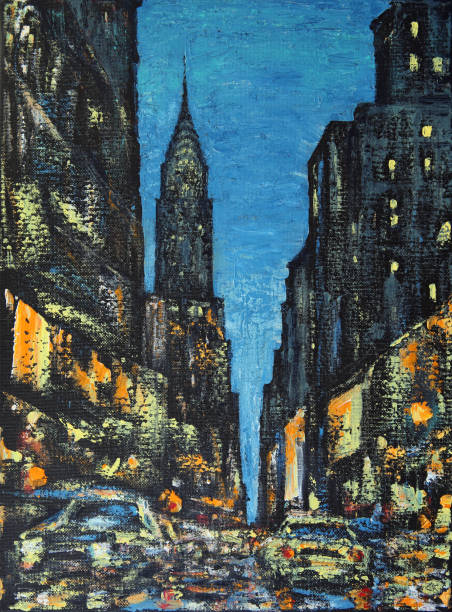
    A steady flow of excited babble came from both mouths as they jotted down names and ideas in Samuel’s notebook, his pencil skittering manically to keep up with the torrent. Presently, a cracked plastic phone was found for Samuel, who paced around the room, fingers blurring as they turned the dials, the New York air outside the apartment punctuated by intermittent burst of flattery or vicious swearing as deals were made, favours called in and demands insisted upon.

    After a while, Andy located a bottle of cheap champagne. The makeshift roadmap of their future was completed, the first foundations laid for the New Andy Prescott. Both men sat down in the sweltering apartment, and raised a toast to God and to country, to dollar bills, to America, to youth markets, cheap booze, studio musicians, red-headed actresses, Negro pianists, Frank Sinatra, penthouse suites, new beginnings, new names, and the new age of swing. The pop of the champagne cork was a firework.

    As the bubbles fizzed, in the apartment across the street a young student was watching T.V. the muted sound from the screen barely audible over the cacophony of traffic and the repeated clinks of champagne glasses and celebration from the opposite kitchen.

    The Milton Berle show was playing, and the student was frozen in his seat as if nailed there through the feet. He was watching a stickman gyrating with animal ferocity, tossing a head of ink-black hair, snapping back and forth. At any point it seemed like he’d tear his way free from the confines of the television set and stride out to claim dominion of the world. On the TV, the figure whooped and hollered and shook like a thing possessed.

    He was singing a song about a hound dog.
  • Claylickers

    Claylickers

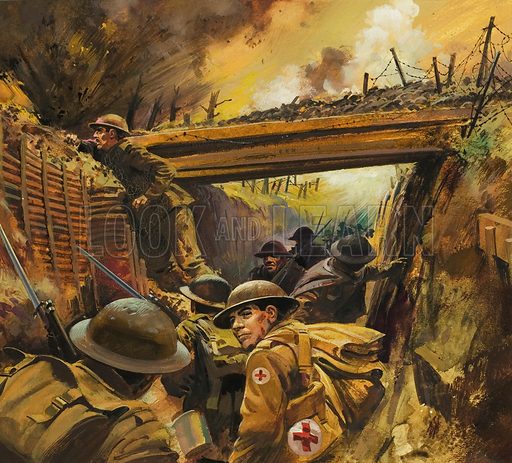
    Beneath the earth they dug, shovels scraping away at the loam. Above them, the war raged on, a staccato heartbeat of artillery shells that rattled the filth packed tight against their heads.

    They did not care about the noise. It had become a creature comfort for them, a tether to a new normalcy drilled into their minds by the white-hot brand of tracer-fire and machine gun rounds. All they had to do was dig. So, they did, their faces corpse-masks sculpted from muck, hovering in the dark. Yellow streaks of lamplight cast a jaundiced sheen on bloodshot eyes that skittered as they moved forwards. Where their shadows merged, their silhouettes became monstrous moles. Bestial, blind, scrabbling with calloused hands towards the depths.                                        

    Cadan Hughes tried to avoid looking at his surroundings as he worked. Instead, he focused on the bite of his pick as he swung it. He braced against the tremors that ran eagerly up his arm. Better to fixate on the little things; the way the damp leg of his trousers rubbed up against his ankles like the family cat begging for treats back home, the way Broderick always coughed three times before he sniffed, or how, without noticing and without fail, Aidan’s shovel dug in time to the phantom tune of “Sosban Fach.”                                                                                   

    Cadan furrowed his brow and struck the wall. Maybe it wasn’t good to remember home. It conjured images of a warm pub keeping out the fog that hovered over the mountains, of drinking games they played, before marching off to the blasted heaths of Belgium. Away from all that was good or green. As he jostled against his fellow miners, their sweat ran and streaked together. He stepped aside to let Gruffydd lurch past with a bucket.  They weren’t strangers to mining. Cadan’s mighty arms had garnered him something of a notoriety in the coalmines back home, and the feel of a spade in his hands had been familiar to him even before the rattle. At least that was his father’s joke.

    This was different. The coalmines were hot, rough work, but softened by jokes and gossip (miners gossiped more than housewives, broken up by breaks taken in clouds of obsidian dust that settled on their brown paper bags as they compared packed lunches and drank cold, sweet tea from metal flasks. After each day, there was always the prospect of coming home and soaking in a hot tin bath then heading down to the pub to play cards and sing and dance.                   

    Cadan could not remember the last time any of them had sung.

    The thought of it was lunacy. You did not sing in the tunnels. You did not talk in the tunnels. Because the enemy also knew how to dig, and they were forever stalking through the soil. Prowling in searching for sappers, to break their bones and split their skulls and leave their corpses sepulchered by the blood-stuffed loam of no-man’s-land.

    Occasionally they would stop, drawing in tight, quick breaths. The muggy air would grow thin, cracking from the strain as their ears perked up, searching for the tell-tale thuds of the enemy as they mined. In those moments, the roots oozing from the sludgy roof became fingers poking through the walls in search of victims, and the trickles of dirt slithering around their boots whispered, anticipating screaming hordes erupting from the walls. Cadan had never killed a man. None of the team had, but every one of them knew their luck could only last for so long. At any moment the tools of their trade could become instruments of butchery.

    Cadan would not have ordinarily said he was afraid of dying, but the prospect of meeting his end in the tunnels was a different story. It was every miner’s greatest fear: to be claimed by the earth they had ravaged, to be buried yet forgotten. The pressure of the earth trapping the soul for eternity where it would harden, crumble, blacken until it was just another lump of coal. As he shuffled forward, sloughing through the sod, Caden looked from man to man.                                          

    Cold grey water wept in streams of pus from the puckered earth. In the half-light a dozen pair of eyes burned with gold to pay the ferryman.                                                                            

    Rhys, in the lead, raised a hand, calling for silence. The miners froze. It was only until several seconds had passed that it began to dawn on them that there was nothing to listen for. Worse still, all the rats had gone.  

    They always took the rats for granted. The war-machines of monkeys never deterred them. Their fat, mangy bodies were a common sight, paddling through the tunnels, chittering, black fur glittering with blood. Red-eyed gargoyles perched on the wooden support beams and laughing scornfully at the slaves that toiled below their kingdom, the trench rats were fearless beings. No matter how many of their brethren were impaled, crushed or dashed into pieces, still they returned, their pink, puppet hands grasping at any scrap of waylaid food they could pilfer. What could cause the vermin to flee?

    Cadan had never even considered there could be something worse down here with them. The realization was an icy jolt to everyone present, the creeping anxiety of returning home only to realize that all the furniture had been moved out of place. This was the silence of the womb; a wet, dull cocoon that signaled the beginning and the end of all things.

    The quake of the guns had ceased. Cadan pressed himself against the nearest man, digging his shoulder-blades into his back. The tunnel had become impossibly small, it was too small, the walls flexing, pulsing, closing in, a mouth ready to chew them up and spit out their bones.    

    At his side, Gruffydd let out a yell. Something had moved up ahead.     

    All they could see for now were its movements, but that was enough to understand that whatever had shifted in the gloom was not human. It was a sudden, primitive understanding relayed instantly to all present. Now the lamplight was the weak, crackling flame of the campfire, and the hunched and ragged men were once again cavemen huddled together against the terrors of the night.           

     A shape was approaching from within the scummy water-no, it was the water. It defied any attempt at categorization, any clumsy desire to label or confirm. It rushed toward them with the implacable tread of shadows emerging from beneath a child’s bed. All the miners could do was stumble backwards, battering uselessly at the dark.

    From the ground a being surged, growing before their eyes, blossoming like cancer. Grey, viscous liquid churned. Within it floated the ravaged corpses of rat and man alike, splinters of yellow bones and leathery flesh mixing, merging, separating. The organism’s body towered above them, its recesses throbbing with a million nameless dead. In the seething recesses of the beast Cadan could see the broken names from grimy labels, trailing broken stitches from where they had been peeled off jackets and trousers, the tattered shreds of handkerchiefs, photographs, rusted lockets and amulets, smothered together into a mess of death. Remains trawled from the filth, animated by a consciousness that smoldered with the pain of dying stars.  

    None of them could move.                                                                                  

    Cadan felt his knees knock together, clattering like dice on the stones of the schoolyard. Around him he heard the moans of his fellow men strike up in chorus. The stink of fear was worse than the sweat. Cadan tried to look at the thing, but something inside his brain resisted.                                   

    To understand it was futile. What remained was a weight, crushing down on them, driving them into a hapless quiver, the grindstone of despair. It stared down at its prey with hard, black withered eyeballs and spread tendrils of dented bullets, pockmarked teeth and rusted bayonet shards towards the nearest man.

    Then it was the man, it was on Rhys, seizing him by the waist and tearing away his side. Rhys didn’t even scream.  Undulating fingers, tipped with shattered dog tags and bent crucifixes pierced through the helpless victim’s jaw and stabbed into the back of his head. It pulled him upwards, the corpse’s feet trailing in the air like a hanged man. Butchered on the altar to the damp and the dark.            

    The beast held the dead man before the miners, and those stubs that might have been hands began to move his jaw up and down. Rhys wept blood in black rivers, and then the body spoke in a voice that was both its own but also something else. Brittle diamonds, an order filtered through the apish sludge of the human mind. The beast sounded out the commandment, ripping through the quiet and forcing its glass-tipped speech from the throat of the murdered man:

    Know Me.

    The command was everything. It bellowed its way inside every man, rushing like filth erupting from sewer-grates. It surged, crawling into their ears, forcings itself down their gullets, burbling past chapped lips. Worming between the moist cracks of tear ducts and quivering nostrils, it gouged and grubbed, spreading its barbed roots into the crevices of their mind until only it remained

    One by one, the being moved from man to man. Bowing over them, drinking from the froth of madness that spilled from their lips. Supping on the blood that ran from their wounds as they tore at each other’s faces, ramming shovels and pickaxes into their skulls to beat out the voice that squirmed within them.

    And Cadan understood. As the creature loomed before him Cadan learned of the solitude of obliterated galaxies. Ruined worlds, consumed by the frosted crystals of space, leaving behind a whirling, shrieking mind screaming for the answer to its existence. Begging for a response to a call that would let its name live just a few years more. Acknowledged by nothing. Collapsing onto a distant ball of earth, immured beneath the clay. Fossilized, disturbed, awoken, reduced to a relic of a savagery thought forgotten, cobbling together the rotting remains of a legacy from discarded trash, even as it crumbled into the muck.

    The other miners were on their hands and knees, retching, gibbering, bawling. They groveled in the mud, choking on the earthen clumps, gargling the stagnant water in supplication, bone-white faces peeking from where the hot tears they wept swept away the grime. A chorus of Gaelic, English, Latin warbled out. In the snatches of words, God and Mother and Home ran together like ink and blood.

    The beast ebbed and flowed from miner to miner, snatches of a face or the shape of a body visible for mere seconds. Its eyes whirled, burning wheels, fallen comets. Now a cry filled the recesses of the tunnel It was the drawn-out scream of throats raised in symphony with this thing. Yells, welcoming the unknown as the wetness crawled over their bodies, sucking them in. Faces within, stretched with howls of glee. Theatre masks, rolling their eyes in milk-white circles, champing and screaming. For a moment, the beast was whole, but then the connection was severed, and Cadan was a monkey again, except seconds ago he had been a God, and he thrashed, coughing hot blood. He wept in the agony of remembrance of what it had been to feast on quasars and couple with stardust. He hugged himself tightly, hating the thick, hairy arms that hung by his side, retching at the stubby fingers. The unbearable stink of his humanity was too much. The thing bore down on Cadan and his first impulse was to let it take him, but no, he would mingle his foul corruption with it, make it lesser, he would join it but not remember it, it would not be fair.

    He ran, the lantern crashing against the floor. Darkness rushed after him, like hunting-dogs scrambling along the length of the tunnel. The thing was moving behind him, but Cadan tore down the path, splashing through the muck, laughing and screaming as he went. He was in the stomach of some great, hungry worm. Its walls shivered at his touch as he stumbled blindly down their length.

    Up ahead-a noise. Cadan threw himself against the source. He had no shovel, he had forgotten his shovel, but he could still dig, he needed to dig.                                                                                    

    In the dark his arms and hands bent, twisting into paws.                                

    It was a German team that found Cadan Hughes, staggering in one of their tunnels, buried in dirt, stumbling towards them. The captain of the team ordered his men to stay back, hefting the sharpened edge of a trench-spade in one hand.   

    The approaching figure seemed like a shell-shocked soul, until it collapsed into the light, and they saw his eyes. The eyes of a blind man, clogged with mist. The figure reached out towards the captain, and where his fingers should have been there were only torn and savaged stumps, caked in gory muck. Shards of bone scraped feeble lines into the air.

    In the distance, one could hear the slow rush of water, and the silence of the rats. The apparition gurgled. Know Me.

    The captain drove the shovel into its head, and the madman died. The Germans moved on, walking over the corpse. Already, the mud was seeping over it, drawing it further and further downwards. Thick boots stamped the figure into the slime.

    The mining team disappeared into the recesses of the tunnel. Overhead, the guns began to boom once more. A dull gleam from the broken figure stamped into the clay may have been a dog-tag.

    Blanketed by ooze, the name etched into it had disappeared.

  • Libera Nos

    Libera Nos

    A furore Normannorum libera nos, Domine.’

    Deliver us, oh Lord, from the fury of the Northmen.

    Feel the snow drift between the pine-needles, silken on the spear-thicket green. It brushes against weathered cheeks, moths with frosted wings that crumble into sweet-tasting tears of winter. They say the Fenris wolf was bound with twine, woven from impossible things. The breath of a fish; the spit of a bird; the tread of a cat.

    The roots of a mountain – can you hear them?

    They have faded. Swallowed up by the clatter of iron, the roar of the smith’s sparks scattering from the forge, the tolling bells from cattle moving in rivers of hoof and horn. Men squat by their doors and play dice. Their speech has grown gruel thin. It is full of the counting of silver and stinks of dreams left as an offering to mold.

    Stop. Can you hear them?

    They run under your feet. Mark the creeping lines as you trace the pale green that whispers beneath the skin. Feel the rhythm: boots stamping in the cold, steel hammering at flint. The fire quickens and draws in, out, hungry for the wind. The roots have seeped into the bones of the earth, echoes of bards’ tongues, mead-rich, which spoke of subtle things. 

    Close your eyes and imagine nothing. The frost is a girdle of blue iron, needling the flesh. Understand: there never was nothing. The world was birthed from the void, whilst the stars were hailstones, the hard black eyes of a withered man. Life was quickened with Surt’s ragged panting as he crafted a sword from the white ore of creation.

    Know it to be true. Have you not breathed down the neck of your beloved, and felt their heart race? Have you not snatched that breath, left them a shell of hollow clay? One can only destroy what was made. At the last twilight, that blade birthed from the sun’s rage will scour this middle-earth. I once heard a story that sounded the same from the men who carry God on their tongues in a wafer of bread. They are eager for the flames.

    The breath of this world has grown ragged. Wheezing, rasping, a grandmother on her deathbed, soul hanging in the air as pale mist. The old songs lose their strength. Quivering on sinews, strings of gut and cord, calling still. A mother stumbles through the forest, yelling for her boy. The night swallows up her grief and grows fat. They found the child’s body carved into a block of ice in the morning. His lungs were black where midnight claimed him. He died a swordless death and will endure an eternity without warmth, the prize of half-rotted Hela. I told this to the shaven man. He drinks the blood of a carpenter and a king from a wooden cup that smells of grapes.

    He laughed. No. Hel is for the wicked. The boy is in a better place now.

    The mother’s screams are echoed by the fathom-deep wail of the water. Can you see it? The waves spitting seafoam as Jörmungandr writhes. The hordes of ocean fury, swift as gulls, break on the shore. Once, I rode on the back of a dragon, cloaked in rings of iron. We flew across mountains of black glass that raged in concert with the wind. I stopped by the docks in my old age. All the dragons were gone– in their place, wooden barrels with painted heads. The work of a sorcerer. The shaven man speaks of a soothsayer who turned a rod into a snake. Such changes are possible. Now, a sea-serpent becomes a case of timber, bobbing in the harbor. It has been long since I gazed upon that water, since I walked along its beaches.

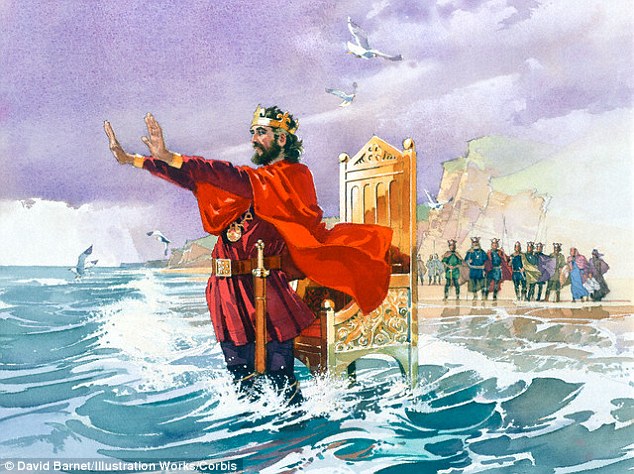
    Three winters past, a mighty ruler came to the shore. His robes of crimson faded as the salt sucked at the dye. He wore the sun, hammered out into a band around his head. Sitting upon a wooden chair, he said:

    Stop, Ocean, for your king commands you.

    Nothing stopped. And he was happy.

    Did you see him?

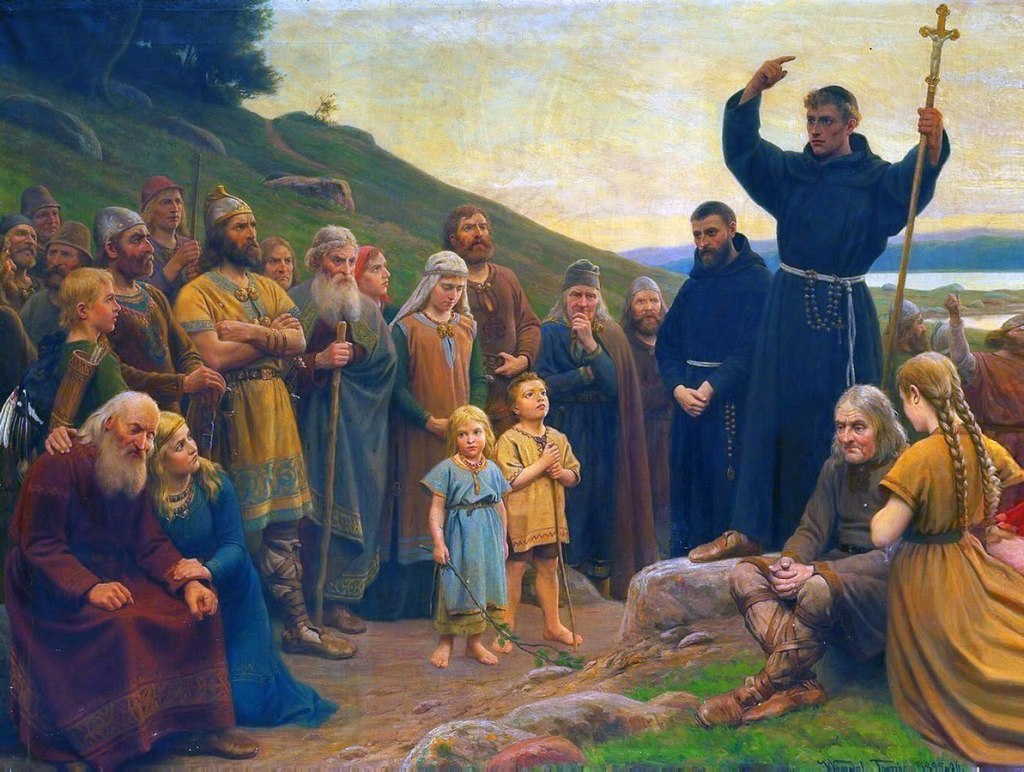
    The snow is thicker here. It cushions the hooves of horses. Their breath is steam, feeble in the air like a promise of first love. The brothers with the dirt-brown robes have cut down the rows of ash and elm, the weathered faces of spirits long forgotten. A horn rings out. Warriors returning? No. The groan of a great oak crashing to the forest floor. They build strange new homes out of their husks and place a man inside.

    Have you seen the statues on the walls? Smooth, rose things. Sanded down to the grain. There is love there, when you touch them. I looked into the face of my newborn and felt a comfort like this. I did not find it in the eyes of my father.

    There is pain here. The barbed touch of a strange crown spiked with thorns. It is different from the jutting stone, sword-tips that form the Aesir. The one-eyed Allfather. The Thunderer. Fertile Frigg, swift-footed Ullr. Wolf gods; raven gods; goat gods. They will die someday, at the last battle. Why? The slain that drink beneath the golden shields of the Hall of Heroes, they fight, they fall, they live again. In my youth, a spear took me through the leg. A healer poured boiling wine and maggots on me, to be renewed. The wound wept; my blood was wine.

    Ah. I think I understand.

    I do not think I want to come back. My fighting days are done. The winter is in me, even when the thaw comes. The wet aches in my bones. My leg drags; I stumble. I fear the bed-death. Only the wicked go to Hel, he said. Have I been wicked?

    My son killed his first man four moons ago, for stealing sheep. I buried the body. I am no stranger to slaughter-dealing. My son is different now; I no longer know him. I studied the corpse he made. It shall lie in the dark loam and become a feast. The grubs will gorge and mate. Their eggs hatch, mayfly lives, die, born again, die, return. Is this Valhalla? The roof and walls of its mead-hall thatched with yellow ribs and rotting guts, an empty flesh-chest. Inside, the worms are ravenous. They will devour each other with no end, until the Doom of the World. It is all they will ever do or ever will be.

    It is damp. It is cold. No woman heats my bed anymore. She died; the sickness took her. I wake up sobbing clear pus.

    Where is the fire that can warm me again? Where is the face of my father?

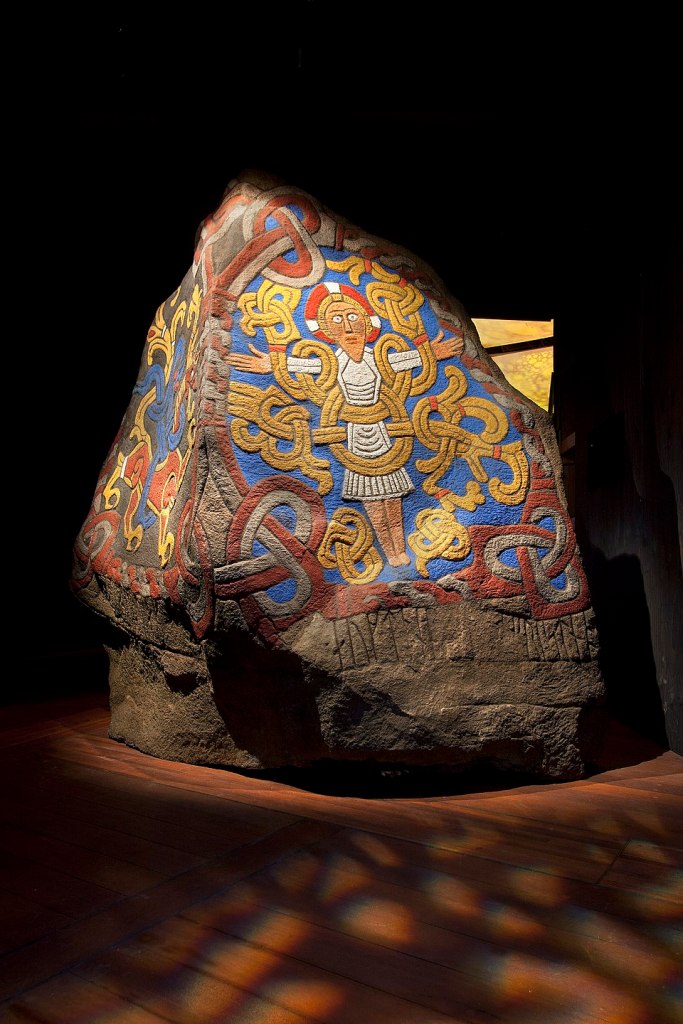
    The man on the walls is hurt. They have wrought some grievous wound on him.


    The End